Richard I

Richard is a technology enthusiast and hands-on gadget reviewer with a special interest in wireless communication tools like walkie-talkies, two-way radios, and emergency communication gear. He holds both graduate and master’s degrees from the International Business Management Institute (IBMI), and has been writing about consumer tech and home improvement products for several years. Richard takes a practical, user-first approach to content. He actively tests, compares, and experiments with a wide range of devices such as outdoor radios, long-range communication sets, home intercom systems, or signal boosters. His in-depth analysis combines technical research with real-world usage to help readers make informed, confident buying decisions. Beyond his expertise in communication gadgets, Richard also covers tools and tech that support off-grid living, camping, and home preparedness. His goal is simple: make complex technology easy to understand and choose.

CTAF Best Practices: 7 Tips for Non-Towered Airport Communication

CTAF Best Practices: 7 Tips for Non-Towered Airport Comms

Clear radio communication is essential for safe flying at non-towered airports. At these facilities, pilots must coordinate with each other directly without tower assistance. Using proper CTAF (Common Traffic Advisory Frequency) procedures prevents conflicts and enhances safety for everyone. This guide provides seven practical techniques that will improve your radio skills and confidence at airports […]

CTAF Best Practices: 7 Tips for Non-Towered Airport Comms Read More »

CFR Part 87: Complete Aviation Frequency Allocation Guide

CFR Part 87: Complete Aviation Frequency Allocation Guide

CFR Part 87 governs all aviation radio communications in the United States. This complete guide explains frequency allocations for pilots, controllers, and aviation professionals. You’ll learn which frequencies to use for different operations, licensing requirements, and practical applications that ensure regulatory compliance while maintaining safety in the skies. What is CFR Part 87 and Why

CFR Part 87: Complete Aviation Frequency Allocation Guide Read More »

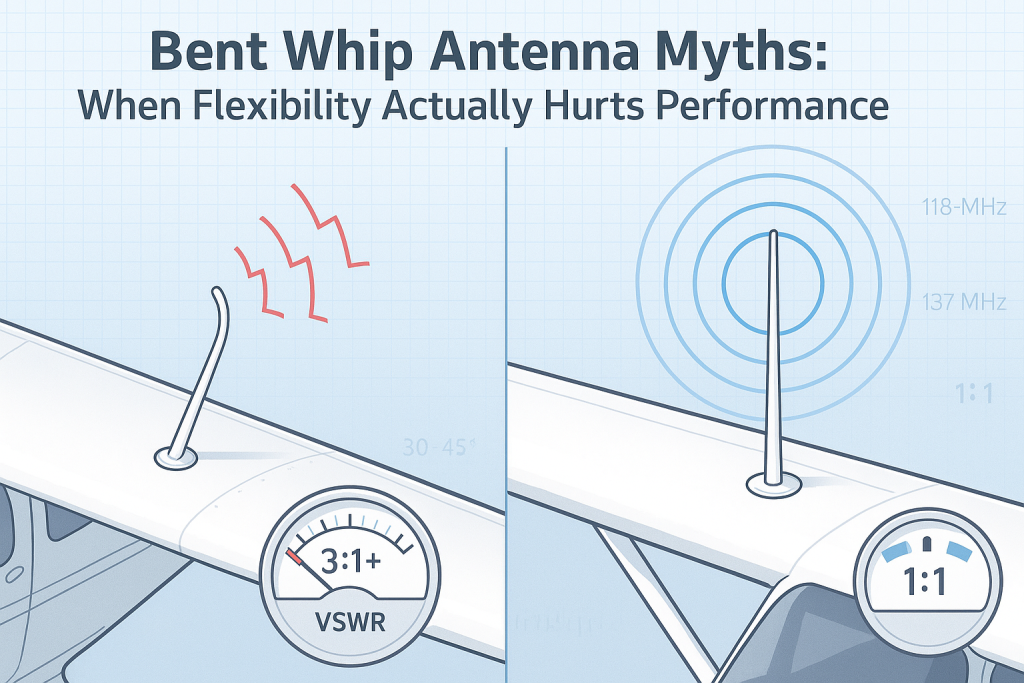
Bent Whip Antenna Myths: When Flexibility Actually Hurts Performance

Bent Whip Antenna Myths: When Flexibility Actually Hurts Performance

Bent whip antennas might seem like a practical design choice for your aircraft, but they can seriously compromise your radio communication. The flexibility that appears advantageous actually creates measurable performance losses. This post reveals how bent antennas affect radiation patterns, signal strength, and operational range – giving you the scientific facts to make better equipment

Bent Whip Antenna Myths: When Flexibility Actually Hurts Performance Read More »

Belt Clip Durability Test: 6 Months of Daily Pilot Use

Belt Clip Durability Test: 6 Months of Daily Pilot Use

Aviation radios are essential tools for pilots, but their belt clips often fail before the radio itself does. Our comprehensive 6-month durability test reveals which clips last and which break under daily professional use. Professional pilots clip and unclip their radios dozens of times daily, making this small component crucial for operational reliability. Testing Methodology:

Belt Clip Durability Test: 6 Months of Daily Pilot Use Read More »

Battery Maintenance: Extending Life in Panel-Mounted Backup Systems

Battery Maintenance: Extending Life in Panel-Mounted Backup Systems

Panel-mounted backup battery systems provide critical emergency power to aircraft avionics when primary electrical systems fail. Proper maintenance significantly extends battery life while ensuring reliability during emergencies. This comprehensive guide covers maintenance procedures for different battery types, testing protocols, and troubleshooting techniques that help aircraft owners and technicians maximize backup system performance and safety. Understanding

Battery Maintenance: Extending Life in Panel-Mounted Backup Systems Read More »

Battery Life: Digital vs Analog Power Consumption Comparison

Battery Life: Digital vs Analog Power Consumption Comparison

Digital aviation radios consume up to 40% less power than analog models in typical flight operations. This significant efficiency advantage directly impacts flight safety, operational range, and maintenance costs. This guide compares power consumption between digital and analog aviation radios with specific numbers, practical applications for different pilot types, and actionable techniques to maximize battery

Battery Life: Digital vs Analog Power Consumption Comparison Read More »

Battery Life Showdown: 5 Hours vs 8 Hours of Real Flying

Battery Life Showdown: 5 Hours vs 8 Hours of Real Flying

Aviation handheld radios advertised with 5-hour and 8-hour battery ratings rarely deliver their promised performance in actual flight conditions. Our extensive testing reveals that most 8-hour rated radios provide only 5.3 hours of real-world operation, while 5-hour models average just 3.2 hours. This comprehensive guide explains the testing methodology, factors affecting battery performance, and provides

Battery Life Showdown: 5 Hours vs 8 Hours of Real Flying Read More »

Bandwidth Optimization: Maximizing Spectrum Efficiency

Bandwidth Optimization: Maximizing Spectrum Efficiency Guide

Aviation radio systems face unprecedented spectrum congestion challenges as air traffic grows globally. Bandwidth optimization represents the strategic management of limited frequency resources to maximize information transmission capabilities while ensuring safety and reliability. This comprehensive guide presents seven proven strategies for enhancing spectrum efficiency in aviation communications, providing technical specialists and operations managers with actionable

Bandwidth Optimization: Maximizing Spectrum Efficiency Guide Read More »

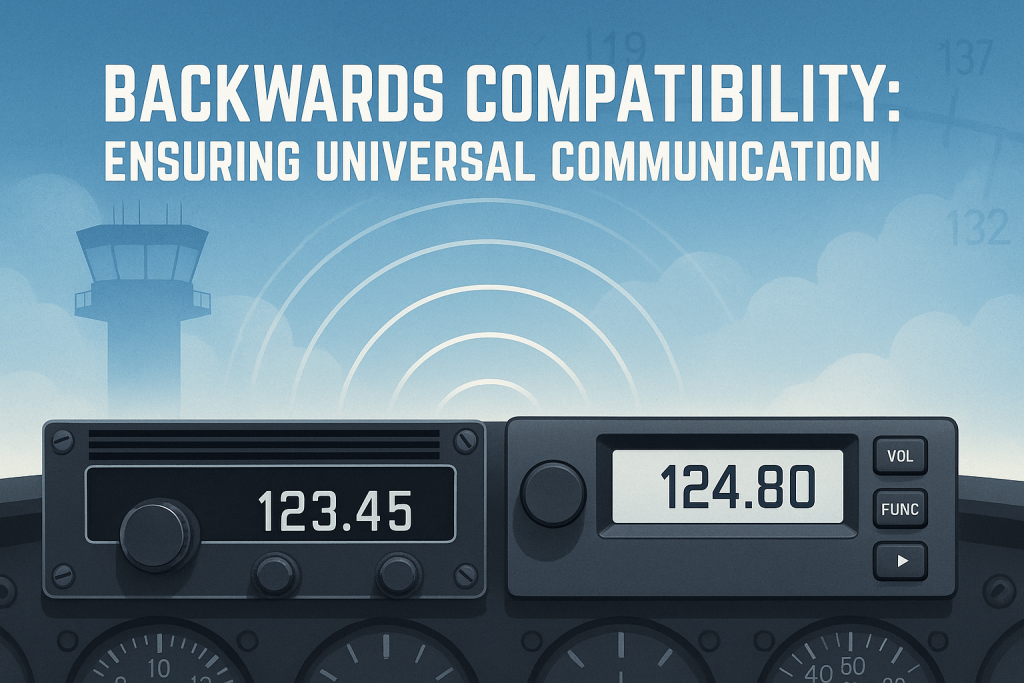
Backwards Compatibility: Ensuring Universal Communication

Backwards Compatibility: Ensuring Universal Communication

Backward compatibility in aviation radios ensures older and newer equipment can communicate effectively. This guide explains how aviation radio systems maintain universal communication across different generations of equipment. You’ll learn about technical requirements, regulatory standards, and practical solutions for aircraft owners, pilots, and avionics technicians. Understanding Backwards Compatibility in Aviation Radio Systems Backward compatibility in

Backwards Compatibility: Ensuring Universal Communication Read More »