Richard I

Richard is a technology enthusiast and hands-on gadget reviewer with a special interest in wireless communication tools like walkie-talkies, two-way radios, and emergency communication gear. He holds both graduate and master’s degrees from the International Business Management Institute (IBMI), and has been writing about consumer tech and home improvement products for several years. Richard takes a practical, user-first approach to content. He actively tests, compares, and experiments with a wide range of devices such as outdoor radios, long-range communication sets, home intercom systems, or signal boosters. His in-depth analysis combines technical research with real-world usage to help readers make informed, confident buying decisions. Beyond his expertise in communication gadgets, Richard also covers tools and tech that support off-grid living, camping, and home preparedness. His goal is simple: make complex technology easy to understand and choose.

African Aviation Radio: Unique Frequency Allocations and Procedures

African Aviation Radio: Unique Frequency Allocations and Procedures

African aviation radio systems have unique frequency allocations and procedures that differ significantly from other global regions. These specialized communications requirements help pilots navigate safely across diverse terrains, from vast deserts to dense jungles. Understanding these distinctive radio protocols is essential for any pilot operating in African airspace. This guide covers everything from regional frequency […]

African Aviation Radio: Unique Frequency Allocations and Procedures Read More »
Adjacent Channel Testing: Real-World Interference Measurements

Adjacent Channel Testing: Real-World Interference Measurements

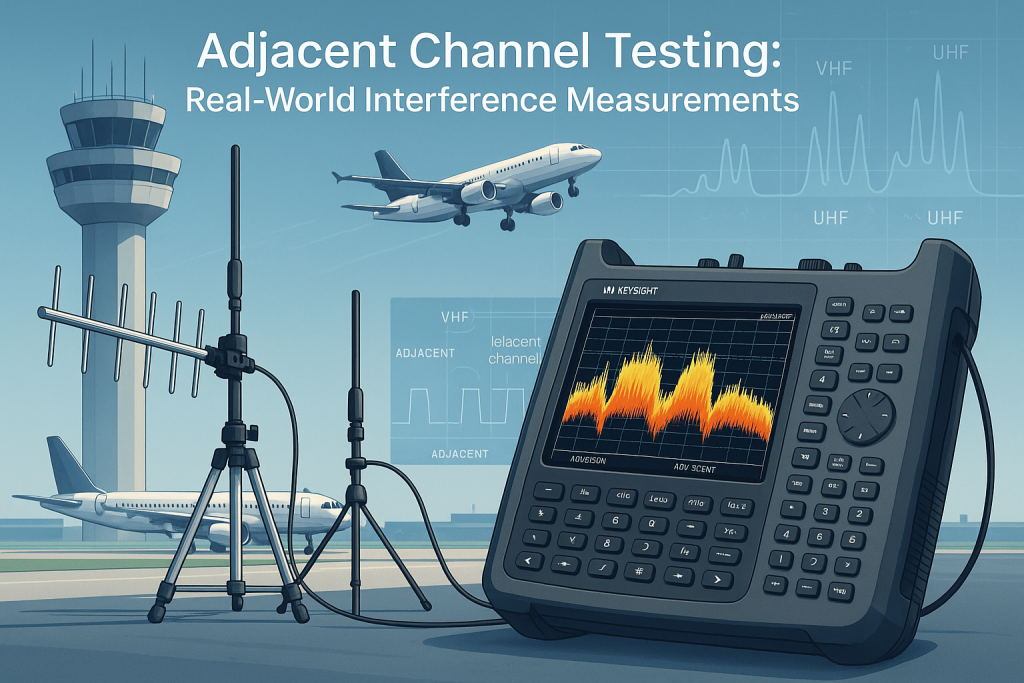
Adjacent channel testing is critical for ensuring reliable aviation radio communications. This measurement process identifies how effectively radio systems reject interference from nearby frequencies in real-world conditions. Aviation professionals use these tests to prevent communication failures, optimize system performance, and maintain regulatory compliance. The guide below provides comprehensive measurement methodologies, interpretation techniques, and practical solutions

Adjacent Channel Testing: Real-World Interference Measurements Read More »

Adjacent Channel Rejection: Preventing Interference

Adjacent Channel Rejection: Preventing Interference Tips

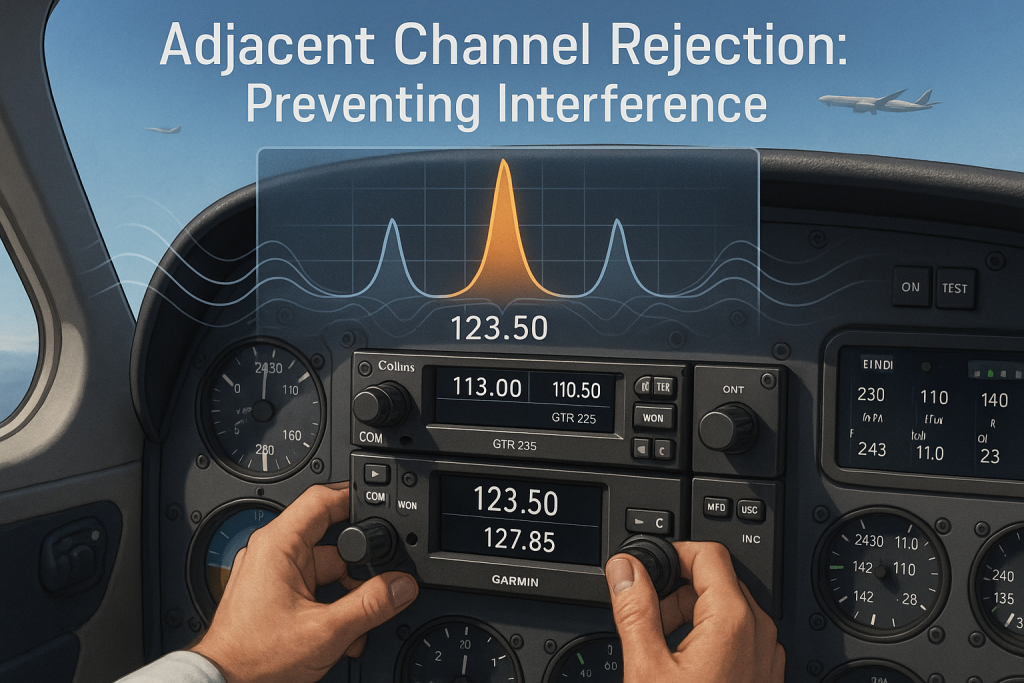
Pilots know the stomach-dropping feeling when crucial landing instructions become garbled by radio interference. Adjacent channel rejection protects aviation communication from this hazard. This article explains how adjacent channel rejection works in aviation radios and provides practical techniques to prevent interference that threatens flight safety. Understanding Adjacent Channel Rejection in Aviation Radio Systems Adjacent channel

Adjacent Channel Rejection: Preventing Interference Tips Read More »

ATIS Frequency Guide: Finding Weather Information at Any Airport

ATIS Frequency Guide: Finding Weather Information at Any Airport

ATIS (Automatic Terminal Information Service) provides essential weather and airport information for pilots at towered airports worldwide. Finding the correct ATIS frequency is crucial for flight safety and operational efficiency. This comprehensive guide explains how to locate ATIS frequencies using various methods, interpret the broadcasts correctly, and access alternatives when primary systems are unavailable. What

ATIS Frequency Guide: Finding Weather Information at Any Airport Read More »

ADS-B Out and Radio Selection: Future-Proofing Your Panel

ADS-B Out and Radio Selection: Future-Proofing Your Panel

ADS-B Out equipment integration with aircraft avionics panels requires strategic planning beyond basic compliance. Aircraft owners face critical decisions when selecting and installing these systems. This guide provides nine proven strategies to maximize your panel’s functionality while ensuring long-term value for your investment. Understanding ADS-B Out Requirements: The Foundation for Smart Panel Planning Before diving

ADS-B Out and Radio Selection: Future-Proofing Your Panel Read More »

8.33 kHz Equipment Certification: What to Look For

Your 8.33 kHz Equipment Certification: What to Look For

8.33 kHz radio equipment certification ensures aviation communication compliance across regulated airspaces. This guide explains certification requirements, selection criteria, and verification processes for aircraft owners and operators. You’ll learn how to identify properly certified equipment, navigate the documentation process, and maintain ongoing compliance with international standards. Understanding 8.33 kHz Radio Spacing: The Regulatory Background The

Your 8.33 kHz Equipment Certification: What to Look For Read More »

300-3000 Hz: Why Aviation Audio Sounds Different

300-3000 Hz: Why Aviation Audio Sounds Different | Pro Tips

Aviation radio communications have a unique sound quality due to the intentional 300-3000 Hz frequency limitation. This deliberate audio bandwidth restriction prioritizes clear speech intelligibility over sound quality. In this guide, you’ll learn the technical reasons behind aviation’s distinctive radio sound, historical context for these standards, and practical techniques to optimize your transmissions within these

300-3000 Hz: Why Aviation Audio Sounds Different | Pro Tips Read More »

25 kHz Migration Timeline: Regional Implementation Schedules

25 kHz Migration Timeline: Regional Implementation Schedules

The migration from 25 kHz to 8.33 kHz channel spacing represents one of aviation’s most significant communication upgrades. This guide details each region’s implementation timelines, requirements, and compliance deadlines. You’ll learn exactly when different areas are transitioning, what equipment you need, and how to maintain operations during this critical change. Understanding the 25 kHz to

25 kHz Migration Timeline: Regional Implementation Schedules Read More »

14V vs 28V: Choosing the Right Radio for Your Electrical System

14V vs 28V: Choosing the Right Radio for Your Electrical System

Aircraft electrical systems use either 14V or 28V power, which directly impacts which radio you can safely install. Choosing the wrong voltage can damage equipment, cause system failures, or create unreliable communications. This guide helps pilots and aircraft owners identify their electrical system and select the appropriate radio, preventing costly mistakes. Understanding Aircraft Electrical Systems:

14V vs 28V: Choosing the Right Radio for Your Electrical System Read More »

12V Adapter Guide: Powering Your Handheld from Aircraft Power

12V Adapter Guide: Powering Your Handheld from Aircraft Power

Connecting your handheld aviation radio to aircraft power eliminates battery anxiety during flights. This comprehensive guide shows you how to safely power your radio from your aircraft’s electrical system. You’ll learn which adapters work with your specific radio, proper installation techniques, and troubleshooting tips to ensure reliable communication at all times. Understanding Aircraft Power Systems

12V Adapter Guide: Powering Your Handheld from Aircraft Power Read More »