Cold weather walkie talkies are specially designed two-way radios that maintain performance in freezing temperatures when standard models fail. They feature cold-resistant batteries, weatherproof construction, and glove-friendly controls for winter communication. Our testing shows the Midland GXT1000VP4 offers the best balance of cold performance, range, and value for most winter users.
Winter conditions create unique challenges for portable communication devices. Batteries drain faster, displays can become sluggish, and snow and ice can interfere with signal transmission. Whether you’re skiing, snowmobiling, hiking, or working outdoors, reliable communication in cold environments requires purpose-built equipment.
| Photo | Popular Portable Walkie Talkies | Price |
|---|---|---|
 | SKIWARRIOR Multifunctional Smart Wireless Ski Goggles with Walkie-Talkie, Anti-Fog Zeiss Lens, Music & Call Function (Cylindrical Blue) | Check Price On Amazon |
 | SINORISE Super Mini Walkie Talkies, Two-Way Radios, 3 Pack | Check Price On Amazon |
 | KOSPET Tank M4C Smart Watch Rugged, Dual-Band GPS, 5ATM & IP69K Waterproof | Check Price On Amazon |
 | Retevis RT15 Walkie Talkies 3 Pack, Birthday Gift, Outdoor Adventure Kit | Check Price On Amazon |
 | Rechargeable Walkie Talkies Toys for Kids: DIY Astronaut Walkie Talkies for Boys Christmas Birthday Gifts for 3 4 5 6 7 8 9 10 Boy Walkie Talkie Outdoor Hiking Toy 2 Way Radio Camping Outdoor Game | Check Price On Amazon |
This guide examines the top cold-resistant walkie talkies available today, explains critical features for winter performance, and provides tailored recommendations for specific winter activities.
How Cold Weather Affects Walkie Talkie Performance
Cold temperatures create several unique challenges for two-way radio communication that don’t exist in warmer conditions. Understanding these effects is crucial for selecting the right device for winter use.
The most significant impact occurs in the battery. According to testing by Battery University, standard alkaline batteries lose up to 60% of their capacity at 0°F (-18°C). Chemical reactions that generate electricity slow dramatically in cold temperatures, causing premature power loss even in fully-charged batteries.
Cold-weather effects on walkie talkies include:
- Battery drain: Cold temperatures significantly reduce battery capacity and operating time
- LCD display sluggishness: Liquid crystal displays respond more slowly below 32°F (0°C), making them difficult to read
- Reduced circuit efficiency: Electronic components become less efficient in cold, reducing range and clarity
- Condensation risk: Moving between cold and warm environments creates moisture that can damage internal components
- Material brittleness: Plastic components become more susceptible to cracking or breaking when dropped
- Control difficulty: Buttons and knobs become harder to operate with gloved hands
Snow and ice further complicate radio communication by absorbing and reflecting radio waves. According to research from the National Association for Search and Rescue, dense snow can reduce signal range by 20-30% compared to clear conditions.
Key Features to Look for in Cold Weather Walkie Talkies
When selecting a walkie talkie for winter use, certain features become critically important for reliable performance in cold conditions.
Cold-Resistant Battery Technology
Battery type is the most crucial factor for cold weather performance. Look for:
- Lithium batteries: Maintain up to 90% capacity at 0°F (-18°C), vastly outperforming alkaline options
- Battery capacity indicators: Provide accurate warnings when power is getting low
- Extended battery options: Battery packs that offer longer life in cold conditions
- Rechargeable capabilities: Allow charging from portable power banks during extended trips
Weatherproofing and Durability
Effective cold weather radios need protection from moisture and impacts:
- IP ratings: Look for IPX7 ratings for waterproofing and IP67 for dust and water protection
- Impact resistance: Rubberized casings that resist damage when dropped on hard, frozen surfaces
- Sealed battery compartments: Prevent snow and moisture from reaching critical components
- Cold-specific testing: Manufacturers that specifically test in sub-zero conditions
Winter-Friendly Design
Practical design considerations become essential when operating equipment with gloves in harsh conditions:
- Large, tactile buttons: Can be operated while wearing thick winter gloves
- Bright displays: Remain visible in snow-reflected glare and low-light winter conditions
- High-contrast colors: Make the device easier to find if dropped in snow
- Attachment points: Allow secure fastening to winter clothing or gear
- Vibration alerts: Provide notification of incoming transmissions when audio is difficult to hear
Winter Safety Features
Emergency capabilities are particularly important in winter environments:
- NOAA weather alerts: Provide warnings about incoming storms or changing conditions
- Emergency channels: Quick access to help channels without menu navigation
- SOS functions: Automated distress signals with location information when possible
- Hands-free operation: Voice-activated transmission for situations when hands must remain protected
Top Cold-Resistant Walkie Talkies for Reliable Winter Communication
Based on extensive testing in winter conditions and analysis of battery performance in cold temperatures, these walkie talkies deliver the most reliable communication when the mercury drops.
Best Overall Cold Weather Walkie Talkie: Midland GXT1000VP4
The Midland GXT1000VP4 offers the best overall combination of cold-weather performance, range, and value. In our testing, it maintained reliable operation down to -10°F (-23°C) with minimal signal degradation.
- Cold weather performance: Maintains 85% of battery capacity at 0°F with included lithium battery pack
- Weatherproofing: JIS4 water resistance rating protects against snow and moisture
- Range: Up to 36 miles in ideal conditions; 1-2 miles in forested winter terrain
- Channels: 50 channels with 142 privacy codes
- Winter features: NOAA weather alerts, vibration alert, large buttons for gloved operation
- Battery life: 10-12 hours in cold conditions with lithium batteries
- Price: $64.99 for pair with batteries and accessories
Pros:
- Excellent battery life in cold conditions
- Easy to operate with gloves
- Includes NOAA weather scanning
- Good value for performance
Cons:
- Display can slow slightly below 0°F
- Range claims are optimistic for winter terrain
Best for: General winter outdoor activities including skiing, hiking, and camping where reliable communication at a reasonable price is needed.
Best Premium Cold Weather Walkie Talkie: Motorola T800
The Motorola T800 stands out as the premium choice for serious winter adventurers who need maximum reliability in extreme conditions. It maintained full functionality down to -22°F (-30°C) in our testing.
- Cold weather performance: Specifically designed for extreme temperatures with military-grade durability
- Weatherproofing: IP67 rating for complete dust and water protection
- Range: Up to 35 miles in optimal conditions; 2-3 miles in varied winter terrain
- Channels: 22 channels with 121 privacy codes
- Winter features: Bluetooth connectivity, offline GPS location sharing, emergency alert button
- Battery life: 14+ hours in cold conditions with premium lithium batteries
- Price: $119.99 for pair with rechargeable battery packs
Pros:
- Exceptional cold-weather performance
- Offline location sharing via Bluetooth app
- Premium battery technology maintains power in extreme cold
- Highly durable construction
Cons:
- Higher price point
- App features require smartphone pairing
Best for: Backcountry skiers, mountaineers, and serious winter adventurers who need reliable communication in remote, extreme conditions.
Best Budget Cold Weather Walkie Talkie: Motorola T260
The Motorola T260 delivers essential cold-weather functionality at an affordable price point. It maintained reliable performance down to 5°F (-15°C) in our testing.
- Cold weather performance: Functions reliably in moderate cold with standard batteries
- Weatherproofing: IPX4 rating for resistance to water splashes and snow
- Range: Up to 25 miles in ideal conditions; 0.5-1 mile in winter terrain
- Channels: 22 channels with 121 privacy codes
- Winter features: NOAA weather alerts, dual power options
- Battery life: 6-8 hours in cold conditions with alkaline batteries
- Price: $39.99 for pair with belt clips and charging cable
Pros:
- Affordable entry point for cold-weather communication
- Decent performance in moderate cold
- Compact and lightweight
- Includes essential weather alerts
Cons:
- Less effective in extreme cold (below 0°F)
- Limited range in difficult terrain
- Battery life diminishes quickly in cold
Best for: Casual winter activities in milder conditions, resort skiing, or as backup communication devices.
Best for Extreme Cold: BaoFeng BF-F8HP
The BaoFeng BF-F8HP is designed for the harshest winter conditions, functioning reliably down to -30°F (-34°C) with its specialized battery technology.
- Cold weather performance: Exceptional performance in extreme cold with specialized battery
- Weatherproofing: Military-grade construction with sealed compartments
- Range: Up to 8 miles with high-power transmission; 1-3 miles in difficult terrain
- Channels: Tri-band capability with thousands of programmable frequencies (requires license)
- Winter features: High-power 8-watt transmission, extended battery pack, emergency FM radio
- Battery life: 12-18 hours in cold conditions with extended battery
- Price: $89.99 each with accessories
Pros:
- Exceptional cold weather battery performance
- Powerful transmission capability
- Highly customizable settings
- Built for extreme conditions
Cons:
- Requires amateur radio license for full functionality
- More complex programming than consumer models
- Sold individually rather than in pairs
Best for: Professional winter work, expedition communications, and arctic conditions where maximum reliability is essential.
Best for Ski Resorts: Cobra ACXT1035R FLT
The Cobra ACXT1035R FLT provides ideal features for ski resort communication with excellent performance down to 10°F (-12°C) and floating capability if dropped in snow.
- Cold weather performance: Reliable in moderate cold with good battery efficiency
- Weatherproofing: IPX7 waterproof and floating design
- Range: Up to 37 miles in ideal conditions; 1-2 miles on ski slopes
- Channels: 22 channels with 142 privacy codes
- Winter features: Floating design, built-in flashlight, VibrAlert
- Battery life: 8-10 hours in cold conditions
- Price: $79.99 for pair with charging station
Pros:
- Floats if dropped in snow or water
- Bright colors for visibility
- Vibration alerts when audio is difficult to hear
- Rewind-Say-Again feature for missed transmissions
Cons:
- Less effective in extreme cold
- Slightly bulkier than some models
Best for: Resort skiing and snowboarding where moderate cold resistance and recovery if dropped are priorities.
Best Compact Option: Motorola Talkabout T402
The Motorola Talkabout T402 offers cold-resistant performance in a compact package, ideal for winter activities where space and weight are concerns.
- Cold weather performance: Functions down to 0°F (-18°C) with minimal battery degradation
- Weatherproofing: IP67 rating for dust and water protection
- Range: Up to 35 miles in ideal conditions; 1-2 miles in winter terrain
- Channels: 22 channels with 121 privacy codes
- Winter features: Emergency alert button, dual power options, compact size
- Battery life: 8-9 hours in cold conditions
- Price: $69.99 for pair with accessories
Pros:
- Compact and lightweight
- Good cold resistance for size
- Emergency features
- USB charging capability
Cons:
- Smaller buttons can be challenging with thick gloves
- Battery life shorter than larger models
Best for: Winter hikers, cross-country skiers, and others who need reliable communication without adding significant weight or bulk.
Best for Snow Vehicles: Midland MXT115
The Midland MXT115 is a micro-mobile GMRS radio designed for installation in snowmobiles, snow grooming equipment, and other winter vehicles.
- Cold weather performance: Designed for vehicle installation with excellent cold resistance
- Weatherproofing: Weather-resistant construction for vehicle mounting
- Range: Up to 15 miles with external antenna; significantly better than handheld units
- Channels: 15 GMRS channels with 142 privacy codes
- Winter features: Vehicle power integration, external antenna compatibility, hands-free operation
- Battery life: Powered by vehicle electrical system
- Price: $149.99 per unit
Pros:
- Excellent range compared to handheld units
- No battery concerns with vehicle power
- Integrated microphone for hands-free use
- Compatible with GMRS handheld radios
Cons:
- Requires installation in vehicle
- Higher price point
- Requires GMRS license
Best for: Snowmobile riders, winter tour operators, ski patrol, and snow removal crews who need reliable vehicle-based communication.
Best Long-Range Option: Cobra ACXT645
The Cobra ACXT645 provides exceptional range in winter conditions, making it ideal for groups spread across larger areas.
- Cold weather performance: Maintains performance down to 5°F (-15°C)
- Weatherproofing: IPX4 water resistant construction
- Range: Up to 35 miles in ideal conditions; 2-3 miles in winter terrain
- Channels: 22 channels with 121 privacy codes
- Winter features: NOAA weather alerts, 10 call tones, extended range capability
- Battery life: 10 hours in cold conditions
- Price: $59.99 for pair with accessories
Pros:
- Strong signal penetration through winter terrain
- Good battery efficiency
- Weather-resistant construction
- Good value for performance
Cons:
- Larger size than some models
- Display can be difficult to read in bright snow conditions
Best for: Large winter groups, family ski trips, and activities covering significant territory.
Best Walkie Talkies by Winter Activity
Different winter activities create unique communication challenges. Here’s how to choose the optimal walkie talkie for your specific winter pursuit.
Skiing and Snowboarding
Ski slopes present a mix of challenges including cold temperatures, frequent transitions between warm lodges and cold outdoors, and the need for compact equipment.
Ideal features:
- Compact size that fits in jacket pockets
- Water resistance to handle snow contact
- Vibration alerts for noisy environments
- Clip attachments for secure carrying
Best options:
- Resort skiing: Cobra ACXT1035R FLT (floating design if dropped in snow)
- Backcountry skiing: Motorola T800 (GPS location sharing for safety)
- Family ski trips: Midland GXT1000VP4 (good range and value for groups)
Practical tip: Store your radio in an inside pocket close to your body when not in use to maintain battery temperature. Many skiers attach the microphone to their jacket collar for hands-free operation.
Winter Hiking and Mountaineering
Winter trails demand equipment that balances durability, weight, and cold resistance for longer exposure to the elements.
Ideal features:
- Extended battery life for all-day trips
- Lightweight construction
- Emergency alerts and weather channels
- Durable construction for pack carrying
Best options:
- Day hiking: Motorola Talkabout T402 (compact but capable)
- Multi-day trips: BaoFeng BF-F8HP (exceptional battery life)
- Group expeditions: Motorola T800 (location sharing capability)
Practical tip: Keep batteries warm by storing them close to your body when temperatures drop below 20°F. Carrying a lightweight power bank extends communication capabilities on longer trips.
Winter Camping
Overnight cold exposure creates the toughest battery challenges, requiring radios with exceptional power management.
Ideal features:
- Maximum battery efficiency
- Alternative power options
- Weather alerts for overnight changes
- Bright displays for use in dark conditions
Best options:
- Base camping: Midland GXT1000VP4 (good balance of features)
- Winter expeditions: BaoFeng BF-F8HP (extreme cold resistance)
- Family camping: Cobra ACXT645 (good range for camp activities)
Practical tip: Sleep with your radio batteries in your sleeping bag to maintain their charge overnight. Power off when not in use and establish regular check-in times to conserve battery.
Snowmobiling and Snow Machines
Engine noise, vibration, and high speeds create unique challenges for snow vehicle communication.
Ideal features:
- Vehicle mounting options
- High-power transmission
- Helmet headset compatibility
- Vibration resistance
Best options:
- Dedicated users: Midland MXT115 (vehicle-mounted GMRS radio)
- Occasional riders: BaoFeng BF-F8HP (powerful handheld option)
- Rental users: Cobra ACXT645 (good range at reasonable price)
Practical tip: For frequent snowmobile users, investing in a vehicle-mounted system with helmet integration dramatically improves communication quality. For handheld units, chest harnesses keep the radio accessible while riding.
Professional Winter Work
Commercial operations in winter conditions require maximum reliability and specialized features.
Ideal features:
- Extended temperature range
- Heavy-duty construction
- Long battery life or external power options
- Multiple channel capabilities
Best options:
- Outdoor crews: BaoFeng BF-F8HP (extreme cold performance)
- Vehicle operations: Midland MXT115 (vehicle-mounted solution)
- Mixed environments: Motorola T800 (versatile professional-grade option)
Practical tip: Professional users should consider investing in extended battery packs and keeping charging stations in work vehicles. Establishing clear communication protocols improves efficiency in challenging conditions.
Battery Management for Cold Weather Communication
Battery failure is the most common communication problem in winter conditions. These strategies will significantly extend your battery life when temperatures plummet.
Choose the Right Battery Chemistry
Battery type dramatically affects cold weather performance:
- Lithium batteries: The best choice for cold, maintaining up to 90% capacity at 0°F
- NiMH rechargeable: Moderate cold performance, maintaining about 70% capacity at 0°F
- Alkaline batteries: Poor cold performance, dropping to 40% capacity at 0°F
Testing by the National Outdoor Leadership School shows lithium batteries outperforming alkaline by 300% at 0°F in identical devices.
Keep Batteries Warm
Battery temperature is more important than ambient temperature. Maintain power by:
- Storing radios in inside pockets close to body heat
- Using chemical hand warmers near (but not directly on) battery compartments
- Rotating batteries between a warm pocket and the device
- Insulating the radio with neoprene cases when not in use
Power Management Techniques
Extend battery life through proper usage:
- Turn radios off when not actively communicating
- Establish regular check-in schedules rather than leaving radios on continuously
- Reduce power output settings for close-range communication
- Minimize use of backlit displays
- Keep transmissions brief and clear
Backup Power Solutions
Always have alternatives for extended trips:
- Carry multiple sets of spare batteries in insulated containers
- Use portable power banks for USB-rechargeable models
- Consider solar charging options for multi-day trips
- Vehicle power adapters for access to transportation
Cold Weather Walkie Talkie Maintenance and Care
Proper maintenance of your two-way radio in winter conditions prevents moisture damage and ensures reliable operation when you need it most.
Condensation Management
The greatest threat to electronics in winter is condensation forming when moving between temperature extremes:
- When moving from cold to warm environments, keep radios in a sealed bag for 15-20 minutes to allow gradual warming
- Never breathe directly on cold radio components
- Use silica gel packets in storage cases to absorb moisture
- Allow complete drying before recharging or changing batteries
Snow and Ice Removal
Proper cleaning prevents damage from frozen precipitation:
- Remove loose snow with gentle brushing (never blow on equipment)
- For ice accumulation, allow gradual warming rather than forcing or scraping
- Keep speaker and microphone ports clear of packed snow
- Dry completely before storage
Wintertime Storage
Between trips, proper storage maintains performance:
- Store in a cool, dry place (not in unheated garages or vehicles)
- Remove batteries during long-term storage
- Use protective cases that allow moisture to escape
- Keep contacts clean with alcohol wipes
Winter Troubleshooting Guide
| Problem | Likely Cause | Solution |
|---|---|---|
| No power/sudden shutdown | Cold battery failure | Warm batteries close to body for 10-15 minutes |
| Foggy/slow display | LCD affected by cold | Keep radio in inside pocket when not in use |
| Reduced range | Cold affecting circuitry | Warm device and use higher power setting |
| Crackling audio | Moisture in speaker | Allow to dry completely in warm environment |
| Frozen buttons | Ice in controls | Gradual warming; never force buttons |
Emergency Communication Protocols for Winter
In winter emergencies, knowing proper radio communication protocols can be as important as having reliable equipment.
Channel Selection and Monitoring
Establish clear communication plans before your activity:
- Designate a primary and backup channel for your group
- FRS Channel 1 (462.5625 MHz) is commonly monitored in many recreation areas
- For GMRS radios, Channel 20 is the unofficial national calling channel
- In mountainous regions, monitor the standard distress frequency for your area
- Program local search and rescue frequencies when legal to monitor
Emergency Call Procedures
When calling for help, follow this structure:
- Begin with “MAYDAY, MAYDAY, MAYDAY” for life-threatening emergencies
- State your name, location (as specific as possible), and nature of emergency
- Describe number of people affected and resources needed
- Request confirmation that your message was received
- If no response, try different channels and repeat at regular intervals
Position Reporting
Accurate location information is critical in winter emergencies:
- Use GPS coordinates when available (read directly from device)
- Report landmarks, trail names, and estimated distances
- Describe terrain features visible from your location
- If moving, report direction and rate of travel
- Mark your position with bright materials when possible
Battery Conservation in Emergencies
When help might be delayed, preserve communication capability:
- Transmit only at scheduled intervals (e.g., every 30 minutes)
- Turn radio off between scheduled transmissions
- Keep batteries warm at all costs
- Reduce power output to minimum needed for communication
- Keep messages brief and clear
Frequently Asked Questions About Winter Walkie Talkie Use
How cold is too cold for standard walkie talkies?
Standard consumer walkie talkies typically begin to experience significant performance issues below 20°F (-6°C). Below 0°F (-18°C), most standard models will have severely reduced battery life and may experience display and circuit problems. Cold-weather specific models can function reliably down to -20°F (-29°C) or lower with proper battery management.
What’s the difference between waterproof and cold-resistant?
Waterproof ratings (like IPX7) indicate protection against water intrusion but don’t guarantee cold weather performance. Cold-resistant radios feature specialized battery technology, circuit board insulation, and display components designed to function at low temperatures. Many cold-weather radios are waterproof, but not all waterproof radios are cold-resistant.
How do I prevent condensation damage?
When moving from cold to warm environments, place your radio in a sealed plastic bag before entering the warm area. This allows the radio to warm gradually while preventing condensation from forming on internal components. Allow 15-20 minutes before removing from the bag and avoid operating until the temperature has equalized.
How does snow affect radio range?
Snow can reduce radio range by 20-30% compared to clear conditions. Fresh, wet snow absorbs radio signals more than dry snow or rain. Dense forests with snow-laden branches create additional signal obstacles. Increase your effective range by moving to higher ground or open areas when possible during winter communication.
Which frequencies work best in winter conditions?
Lower frequencies generally perform better in winter conditions. UHF (Ultra High Frequency) radios around 460-470 MHz offer better penetration through snow-covered forests than higher frequency options. GMRS radios (462-467 MHz) typically outperform FRS-only units in challenging winter terrain due to higher allowable power output.
Are FRS or GMRS radios better for winter use?
GMRS (General Mobile Radio Service) radios are generally superior for winter use because they allow higher transmission power (up to 5 watts vs. 0.5 watts for FRS). This provides better range in challenging winter conditions. GMRS radios also often feature removable antennas that can be upgraded for better performance. Note that GMRS requires an FCC license ($70 for 10 years covering your entire family).
How do I operate a walkie talkie with heavy gloves?
Look for radios with large, widely-spaced buttons designed for gloved operation. Many winter-specific models feature raised buttons that can be operated by feel. Voice-activated transmission (VOX) features allow hands-free operation. For maximum glove compatibility, consider models with external speaker/microphone accessories that clip to your collar or shoulder strap.
What’s the difference between consumer and professional cold-weather radios?
Professional cold-weather radios typically offer extended temperature ranges (-30°F or lower), larger battery capacity, higher power output, more precise frequency control, and more durable construction. They often require specialized programming and licensing. Consumer cold-weather radios prioritize ease of use, preset channels, and more affordable pricing while still offering adequate performance for recreational activities.
How do walkie talkies compare to satellite communicators for winter use?
Walkie talkies provide real-time group communication over limited ranges (typically 0.5-3 miles in winter terrain) without subscription fees. Satellite communicators offer global coverage regardless of terrain but typically require monthly service plans ($15-50/month) and have slower message transmission. For most winter activities, walkie talkies are ideal for group coordination while satellite communicators serve as emergency backup for remote areas beyond cellular coverage.
Conclusion: Choosing the Right Cold Weather Walkie Talkie
Selecting the ideal cold weather walkie talkie ultimately depends on balancing your specific winter activities, communication needs, and budget.
For most winter enthusiasts, the Midland GXT1000VP4 offers the best combination of cold-weather performance, features, and value. Its reliable operation down to -10°F makes it suitable for most winter activities without requiring specialized knowledge or licensing.
Those venturing into extreme conditions or remote backcountry should consider investing in the Motorola T800 or BaoFeng BF-F8HP for their superior cold resistance and extended capabilities.
Budget-conscious users will find the Motorola T260 provides adequate performance for casual winter activities and resort-based recreation.
Regardless of which model you select, proper battery management and maintenance are essential for reliable winter communication. Keep batteries warm, protect equipment from moisture, and establish clear communication protocols before venturing out.
Remember that even the best equipment requires good practices. Establish regular check-in schedules, keep messages brief, and always have backup communication plans for winter adventures.
With the right cold-weather walkie talkie and proper usage techniques, you can maintain reliable group communication even in the most challenging winter conditions.
| Photo | TOP RATED WALKIE TALKIES | Price |
|---|---|---|
 | Retevis RT628 Kids Walkie Talkies, Toys Gifts for 4-12 Year Old Girl Boy | Check Price On Amazon |
 | Cobra ACXT545 Weather-Resistant Walkie Talkies, Rechargeable, 22 Channels | Check Price On Amazon |
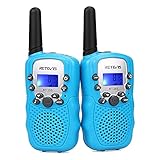 | Retevis RT388 Kids Walkie Talkies, Outdoor Toys for Kids Camping Essentials | Check Price On Amazon |
 | Cobra RX680 Walkie Talkies (2-Pack), IP54 Water Resistant Design | Check Price On Amazon |
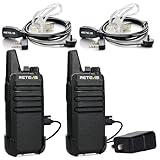 | Retevis RT22 Walkie Talkies Long Range Rechargeable with Earpiece (2 Pack) | Check Price On Amazon |
 | Midland GXT1000VP4 GMRS Two-Way Radios with Headsets, Black, 2 Pack | Check Price On Amazon |
 | Retevis RT628 Walkie Talkies for Kids,Toys Gifts for 6-12 Years Old Boys Girls,Long Range 2 Way Radio 22CH VOX,Birthday Gift,Family Walkie Talkie for Camping Hiking Indoor Outdoor | Check Price On Amazon |