
Aviation radio antenna tuning directly impacts communication clarity and range, critical factors in flight safety. When properly tuned, aircraft antennas maximize signal strength, reduce interference, and optimize radio performance. This comprehensive guide provides step-by-step procedures for tuning different aircraft antennas to achieve optimal communication capabilities, regardless of aircraft type or operating environment.
Understanding Aviation Antenna Systems: The Science Behind Clear Communications
Before diving into tuning procedures, it’s essential to understand how aircraft radio antennas actually work and why proper tuning is critical for optimal performance. Aircraft radio systems operate by converting electrical energy into radio waves that propagate through the atmosphere. The antenna serves as the interface between the radio and the air, making its performance crucial for effective communication.
| Photo | Popular Portable Walkie Talkies | Price |
|---|---|---|
 | SKIWARRIOR Multifunctional Smart Wireless Ski Goggles with Walkie-Talkie, Anti-Fog Zeiss Lens, Music & Call Function (Cylindrical Blue) | Check Price On Amazon |
 | SINORISE Super Mini Walkie Talkies, Two-Way Radios, 3 Pack | Check Price On Amazon |
 | KOSPET Tank M4C Smart Watch Rugged, Dual-Band GPS, 5ATM & IP69K Waterproof | Check Price On Amazon |
 | Retevis RT15 Walkie Talkies 3 Pack, Birthday Gift, Outdoor Adventure Kit | Check Price On Amazon |
 | Rechargeable Walkie Talkies Toys for Kids: DIY Astronaut Walkie Talkies for Boys Christmas Birthday Gifts for 3 4 5 6 7 8 9 10 Boy Walkie Talkie Outdoor Hiking Toy 2 Way Radio Camping Outdoor Game | Check Price On Amazon |
The fundamental principle behind antenna tuning involves impedance matching. This means ensuring the electrical characteristics of the antenna system match those of the radio transmitter. When impedance is properly matched, maximum power transfers from the radio to the antenna. When mismatched, power reflects back to the transmitter instead of radiating outward, resulting in weaker signals and reduced range.
Standing Wave Ratio (SWR) measures this impedance match quality. An SWR of 1:1 indicates perfect matching, while higher readings (like 3:1) show significant power reflection. Most aviation radios operate best with SWR below 2:1.
Antenna resonance occurs when the antenna’s physical length corresponds to the wavelength of the operating frequency. A properly resonant antenna radiates energy efficiently, while a non-resonant one wastes power. For aviation VHF frequencies (118-137 MHz), specific antenna lengths provide optimal performance.
Aircraft construction materials significantly impact antenna performance. Metal aircraft provide excellent natural ground planes that enhance antenna efficiency. Composite aircraft, lacking this conductive surface, require special grounding techniques to achieve similar results.
How Aircraft Radio Systems Differ from Other Applications
Aircraft radio systems face unique challenges not present in ground-based or marine applications, affecting how antennas must be tuned and maintained. Understanding these differences in standards across various regions is essential for proper implementation.
The high-altitude operation of aircraft creates unique radio propagation conditions. As altitude increases, line-of-sight distance expands dramatically, allowing communications over much greater distances than ground-based systems. However, this also increases the potential for interference from distant stations operating on the same frequency.
Aviation radio equipment must meet strict regulatory standards for reliability. While a mobile radio failure might be inconvenient, an aircraft communication failure could be catastrophic. This reality drives more rigorous tuning requirements.
| Factor | Aviation Radio | Ground-Based Radio | Marine Radio |
|---|---|---|---|
| Operating Environment | High altitude, extreme temperature variations | Relatively stable conditions | High humidity, salt exposure |
| Reliability Requirements | Life-critical (99.9%+) | Operational (95%+) | Safety-critical (98%+) |
| Certification | Strict FAA/EASA requirements | Basic FCC certification | Coast Guard/maritime standards |
| Frequency Stability | Extremely tight tolerance | Moderate tolerance | High tolerance |
Aircraft also experience extreme environmental conditions. Temperatures can range from -60°F at altitude to 120°F on desert runways. These variations affect antenna performance and require tuning that accommodates these extremes.
The Impact of Proper Antenna Tuning on Communication Performance
Properly tuned antennas can dramatically improve your radio’s performance in several measurable ways, directly affecting flight safety and operational efficiency. The benefits extend beyond mere technical improvements to practical advantages in daily operations.
Communication range typically increases 20-40% with optimally tuned antennas. For example, an aircraft with a poorly tuned antenna might maintain reliable communications up to 30 miles, while the same aircraft with a properly tuned system could achieve 42 miles or more. This extension can be critical when operating in remote areas or during emergency situations.
Signal clarity improves substantially with proper tuning. Pilots report clearer transmissions with less static, reducing the need for repeat communications and lowering pilot workload. Air traffic controllers similarly benefit from receiving clearer transmissions from aircraft.
Key performance improvements include:
- 20-40% increase in effective communication range
- Reduced “dead zones” where communications drop out
- Lower transmitter power requirements for the same effective range
- Decreased equipment strain and potential for longer radio lifespan
- More reliable emergency communications when most needed
Case study: A flight school operating six training aircraft implemented a comprehensive antenna tuning program. Before tuning, instructors reported frequent communication difficulties beyond 25 miles from the airport. After professional tuning, reliable communications extended to 35+ miles, and reported instances of missed communications decreased by 67%.

Warning Signs Your Aircraft Antenna Needs Tuning
Several telltale signs indicate your aircraft antenna system may require tuning or maintenance. Recognizing these early can prevent communication failures at critical moments. Regular monitoring for these symptoms should be part of preflight checks.
Common warning signs include:
- Inconsistent reception: If you notice that ground stations can hear you clearly sometimes but not others, despite being at similar distances, your antenna likely needs attention.
- Reduced range: When you previously maintained clear communications at certain distances but now experience breakup or loss of signal at the same distances.
- Distorted audio: If your transmissions sound garbled or distorted to others, especially when transmitter power is increased.
- Static or noise: Excessive background noise during transmissions often indicates RF energy reflecting back into the system due to poor tuning.
- Radio overheating: When the transceiver becomes unusually warm during operation, it may be working harder to overcome antenna inefficiency.
- Fluctuating power output: Variations in output power readings during transmission suggest impedance mismatches.
Severity can be assessed by frequency and consistency. Occasional minor issues may simply require monitoring, while persistent problems demand immediate attention, especially before long flights or operations in areas with limited communication infrastructure.
Essential Equipment for Antenna Tuning: Professional vs. DIY Approaches
Proper antenna tuning requires specific test equipment. This section covers both professional-grade tools and more accessible options for aircraft owners and maintenance personnel. The right equipment ensures accurate measurements and successful tuning outcomes.
For effective antenna tuning, you’ll need:
- SWR meter: Measures the standing wave ratio, indicating how well the antenna system is matched to the radio. Basic models start around $50, while aviation-specific units range from $150-300.
- Antenna analyzer: Provides more comprehensive measurements including impedance, reactance, and resonant frequency. Professional units range from $300-1,500 depending on capabilities.
- Jumper cables: High-quality, double-shielded coaxial cables with appropriate connectors for your radio system.
- Adapter kit: Various RF connectors to interface between test equipment and different antenna systems.
- Basic tools: Wrenches, screwdrivers, wire cutters, and electrical tape for making adjustments.
- Documentation materials: Logbook and reference charts to record measurements and track changes.
Equipment selection depends on your technical expertise, budget, and aircraft type. For casual operators or those with basic technical skills, a quality SWR meter may suffice. Serious aircraft owners and maintenance personnel should consider investing in a proper antenna analyzer for more comprehensive diagnostics.
Many avionics shops offer equipment rental programs, typically charging $50-150 per day for professional-grade analyzers. This option makes sense for one-time tuning needs rather than purchasing expensive equipment.
SWR Meters vs. Antenna Analyzers: Making the Right Choice
Two main types of test equipment are used for antenna tuning: SWR meters and antenna analyzers. Understanding their differences is crucial for selecting the right tool for your specific needs.
SWR meters provide a basic measurement of standing wave ratio, indicating how well your antenna system is matched to your radio. They require an active radio transmission to take measurements. Antenna analyzers offer comprehensive data about the entire antenna system without requiring radio transmission, measuring impedance, reactance, and resonant frequency across multiple bands.
| Feature | SWR Meter | Antenna Analyzer |
|---|---|---|
| Cost | $50-300 | $300-1,500 |
| Ease of Use | Simple operation | Moderate learning curve |
| Measurements | SWR only | SWR, impedance, reactance, resonance |
| Power Required | Must transmit with radio | Self-contained, no transmission needed |
| Accuracy | Good | Excellent |
| Diagnostic Capability | Limited | Comprehensive |
For most aircraft owners with basic technical skills, an SWR meter provides sufficient data for tuning at a reasonable cost. Professional maintenance personnel and avionics specialists should use antenna analyzers for their comprehensive diagnostic capabilities. When dealing with emergency situations where power may be limited, simpler SWR meters may be more practical due to their lower power requirements.
Step-by-Step Antenna Tuning Process for Different Aircraft Types
This comprehensive tuning process can be adapted to virtually any aircraft type, with specific modifications noted for metal, composite, and fabric-covered airframes. Following these steps methodically ensures optimal antenna performance regardless of aircraft construction.
Safety First: Before beginning any antenna work, ensure the aircraft is powered down completely. Remove keys from the ignition and place them in your pocket to prevent accidental startup. Disconnect the aircraft battery if you’ll be working near sensitive avionics components.
The basic tuning procedure:
- Prepare the aircraft: Position the aircraft in an open area away from large metal structures, buildings or other aircraft that could affect readings. Ideally, perform tuning outdoors with at least 50 feet clearance in all directions.
- Visual inspection: Examine the antenna for physical damage, corrosion, loose mounting hardware, or cracked insulators. Check the coaxial cable for cuts, abrasions, or sharp bends. Replace any damaged components before proceeding.
- Connect test equipment: For SWR meters, connect between the radio and antenna feedline using appropriate adapters. For analyzers, connect directly to the antenna feedpoint after disconnecting from the radio.
- Baseline measurements: Record initial SWR readings across the entire aviation band (118-137 MHz). Note particularly the specific frequencies your operations typically use.
- Adjustment process: For adjustable antennas, make small incremental changes to length (typically 1/8 inch at a time). For fixed antennas, adjustments may require adding impedance matching devices.
- Re-test after each adjustment: Measure SWR again after each modification to track improvements.
- Optimize for primary frequencies: Prioritize tuning for the frequencies you use most often, especially those for your home airport and commonly used approach facilities.
- Document results: Record final readings, adjustments made, and date of service in the aircraft logbook.
The target SWR for aviation communications should be below 1.5:1 for optimal performance, though readings up to 2:1 are generally acceptable. Readings above 3:1 indicate significant problems requiring immediate attention.
Tuning frequency depends on operational conditions. Perform checks after any antenna maintenance, aircraft structural work, or when communication problems develop. As a best practice, include basic antenna checks during annual inspections.
Metal Aircraft Antenna Tuning Considerations
Metal aircraft present unique considerations for antenna tuning due to their excellent ground plane characteristics and RF shielding properties. The conductive airframe creates an ideal radio frequency environment when properly utilized.
The primary advantage of metal aircraft is their natural ground plane effect. The metal skin provides an excellent reflective surface that enhances antenna radiation patterns, particularly for quarter-wave antennas. This often results in better overall performance compared to composite aircraft.
Key considerations for metal aircraft include:
- Bonding integrity: Verify electrical continuity between all metal sections of the airframe. Poor bonding can create “floating” sections that interfere with radio performance.
- Antenna base grounding: Ensure the antenna base makes solid electrical contact with the aircraft skin. Remove paint or anodizing at mounting points if necessary.
- Static discharge: Check static wicks for damage or corrosion. Faulty static dissipators can introduce noise into the communication system.
- Corrosion inspection: Examine antenna bases and grounding points for evidence of corrosion, which can increase resistance and degrade performance.
- Proper spacing: Maintain at least 36 inches between communications antennas and other antennas (navigation, transponder, etc.) to minimize interference.
Metal aircraft typically achieve better SWR readings more easily than composite types. You should target SWR readings of 1.3:1 or better at primary operating frequencies, which is often achievable without complex matching networks.
Composite Aircraft Antenna Tuning Considerations
Composite aircraft create special challenges for antenna tuning due to their lack of natural ground plane and different RF characteristics. These non-conductive structures require specific adaptation techniques to achieve performance comparable to metal aircraft.
The fundamental challenge with composite airframes is the absence of a conductive surface to serve as a ground plane. Without this reflective counterbalance, antennas may exhibit omnidirectional patterns with reduced efficiency. Creating an artificial ground plane becomes a critical step in the tuning process.
Special considerations for composite aircraft include:
- Ground plane creation: Install copper foil or mesh (minimum 24 inches diameter) beneath antenna mounting locations to create an artificial ground plane.
- Counterpoise systems: Add metallic counterpoises (typically copper wire cut to quarter-wavelength) extending radially from the antenna base.
- Carbon fiber complications: Carbon fiber composites are partially conductive but make unpredictable ground planes. Test carefully and consider isolation mounting.
- Bonding techniques: Connect all metal components (engine mounts, control systems, etc.) to a common ground point to reduce RF noise.
- Specialized antennas: Consider antennas specifically designed for composite aircraft, such as dipole types that don’t require ground planes.
When working with dual-antenna setups in composite aircraft, special attention must be paid to the interaction between systems to maximize benefits while preventing interference.
Target SWR values for composite aircraft are slightly higher than metal ones. An SWR of 1.5:1 to 1.8:1 is typically considered good performance. Achieving readings below 1.5:1 often requires extensive ground plane modification or specialized antenna types.
Helicopter-Specific Antenna Tuning Procedures
Helicopters present unique antenna tuning challenges due to rotor interference, vibration issues, and specialized mounting locations. Their operational profile also creates specific requirements for communication reliability.
The rotating blades of a helicopter create a periodic signal blocking effect that can interrupt communications. This “chopping” phenomenon requires specific compensation strategies. Additionally, the intense vibration environment can loosen connections and affect tuning over time.
Critical considerations for helicopter antenna systems include:
- Rotor interference mitigation: Position antennas to minimize main and tail rotor shadowing effects. Bottom-mounted antennas often perform better than top-mounted ones.
- Vibration dampening: Use specialized vibration-resistant mounts and regularly inspect for loosening. Apply thread-locking compound to all antenna hardware.
- Multiple antenna interaction: Helicopters often have numerous antennas in close proximity. Maintain minimum separation and consider the use of filters to prevent intermodulation.
- Skid considerations: On skid-equipped helicopters, the metal skids can affect radiation patterns. Include them in your tuning calculations.
- Operational specialization: For medical or search and rescue helicopters, optimize antennas for communications with ground units and hospitals rather than just air traffic control.
Helicopter antennas should be checked more frequently than fixed-wing aircraft due to the harsh vibration environment. Monthly visual inspections and quarterly performance checks are recommended.
Special attention should be given to cable routing. Secure cables at intervals no greater than 12 inches to prevent vibration damage, and use protective sleeves at all points where cables might chafe against the airframe.
Troubleshooting Common Antenna Tuning Problems and Solutions
Even with proper equipment and procedures, antenna tuning can present unexpected challenges. This troubleshooting guide addresses the most common issues and their solutions, providing a systematic approach to resolving antenna problems.
When encountering tuning difficulties, follow this diagnostic sequence:
- Verify test equipment: Confirm your SWR meter or analyzer is functioning correctly by testing on a known good antenna system.
- Check connections: Inspect all connectors for proper seating, corrosion, or damage. Tighten connections and clean if necessary.
- Examine feedline: Test the coaxial cable for continuity and shorts. Replace if damaged or if showing signs of water infiltration.
- Antenna inspection: Remove the antenna and check for internal damage, water infiltration, or corrosion.
- Ground plane evaluation: Verify ground plane integrity (metal aircraft) or presence (composite aircraft).
Common problems and their solutions include:
| Problem | Likely Causes | Solutions |
|---|---|---|
| Consistently high SWR across all frequencies | Damaged feedline, poor connections, broken antenna | Replace coax, clean/tighten connections, inspect antenna |
| High SWR on specific frequencies | Incorrect antenna length, detuning from nearby objects | Adjust antenna length, relocate interfering objects |
| Fluctuating SWR readings | Loose connections, intermittent shorts, poor ground | Secure all connections, check for damaged cable insulation |
| SWR changes with weather | Water infiltration, poor sealing | Seal connections with heat-shrink or coax seal, replace compromised components |
| Good SWR but poor performance | High noise environment, receiver issues | Check for noise sources, test receiver sensitivity |
Weather effects can significantly impact readings. Avoid tuning during precipitation, and be aware that humidity changes can affect results. For critical applications, take measurements under various weather conditions to ensure consistent performance.
If troubleshooting doesn’t resolve the issue, consider system replacement. Antenna systems typically last 5-7 years in normal service before environmental factors degrade performance beyond acceptable limits.
Diagnosing and Resolving High SWR Readings
A high SWR reading is the most common issue encountered during antenna tuning, but can stem from multiple causes. This systematic approach will help identify and resolve the specific problem causing elevated SWR readings.
Start by determining if the high SWR is present across all frequencies or only in specific ranges. Frequency-specific problems typically indicate antenna length issues, while broadband high SWR suggests more fundamental system problems.
Follow this diagnostic sequence:
- Isolate the component: Test each system component separately to identify the problem area:
- Disconnect the antenna and test the feedline with a terminator
- Replace the coaxial cable with a known good cable
- Substitute a test antenna if available
- Inspect connectors: Look for:
- Loose center pins
- Corrosion or contamination
- Evidence of water infiltration
- Proper crimping/soldering
- Check the antenna mounting: Verify:
- Secure mechanical connection
- Clean electrical contact with ground plane
- Proper vertical orientation
- Absence of nearby metal objects
- Examine for damage: Look for:
- Cracks in the antenna housing
- Lightning damage (discoloration)
- Impact damage from bird strikes
- Corrosion at the base
High SWR is particularly problematic because it can damage your radio transmitter. Most modern aviation radios have protection circuits that reduce power output when high SWR is detected, but older equipment may not offer this protection. Extended operation with SWR above 3:1 risks transmitter damage.
When all physical inspections fail to identify the problem, consider environmental factors. Nearby antennas, recent airframe modifications, or even wet conditions on the runway can affect SWR measurements. Always re-test after addressing each potential cause.
Antenna Placement Optimization: Location Matters
The physical location of your antenna on the aircraft can be as important as tuning itself. This section covers optimal placement principles and considerations to maximize communication effectiveness through proper positioning.
Ideal antenna placement depends on aircraft type, but general principles apply across all platforms. The primary goal is to position the antenna where it has the clearest “view” of the horizon in all directions while minimizing interference from other systems.
Key placement considerations include:
- Height advantage: Higher mounting generally improves range. Bottom fuselage positions are acceptable but may have reduced performance compared to top mounts.
- Structural shadowing: Avoid positions where metal structures (including the fuselage itself) block significant portions of the radiation pattern.
- Minimum separation: Maintain at least 36 inches between communications antennas and other RF antennas (navigation, transponder, etc.).
- Wake turbulence: Consider aerodynamic effects that might create vibration or stress on the antenna.
- Access for maintenance: Ensure the antenna can be easily inspected and serviced during routine maintenance.
For typical single-engine aircraft, the optimal com antenna position is on the upper fuselage centerline, slightly aft of the cabin. This provides an unobstructed view in all directions and typically experiences minimal airflow disruption.
For twin-engine aircraft, top centerline positioning remains ideal, but practical considerations often require compromise. If centerline mounting isn’t possible, position the antenna where engine nacelles create minimal shadowing in the forward direction.
Real-world examples demonstrate the impact of placement. A flight school relocated the com antennas on their training fleet from bottom to top mounting positions and documented a 22% increase in effective communication range with no other system changes.
When considering digital aviation communication technologies, antenna placement becomes even more critical as these systems often operate with tighter performance margins than traditional analog communications.
Professional vs. DIY Antenna Tuning: Making the Right Choice
Deciding whether to tune your aircraft antenna yourself or hire a professional is an important consideration that depends on several factors. This decision impacts not only performance but potentially regulatory compliance and insurance coverage.
The choice between DIY and professional service should be based on your technical skills, available equipment, aircraft type, and regulatory environment. Each approach offers distinct advantages and limitations.
Consider these factors when making your decision:
| Factor | DIY Approach | Professional Service |
|---|---|---|
| Cost | Equipment purchase/rental: $50-500 | Service cost: $150-350 per antenna |
| Time Investment | 4-8 hours for learning and execution | 1-2 hours of aircraft downtime |
| Regulatory Implications | May require logbook signoff by A&P | Includes proper documentation |
| Equipment Requirements | Must obtain specialized testing tools | Included in service |
| Knowledge Required | Basic electronics understanding needed | Leverages professional expertise |
| Insurance Considerations | May affect coverage if improperly documented | Typically accepted without question |
The DIY approach works best for:
- Aircraft owners with technical background
- Experimental/amateur-built aircraft
- Basic antenna systems without complex integration
- Situations where professional service isn’t readily available
Professional service is recommended for:
- Commercial operators and flight schools
- Complex aircraft with integrated avionics
- Owners without technical experience
- Aircraft under warranty or finance agreements
If choosing professional service, ask prospective providers about their specific experience with your aircraft type, what test equipment they use, and how they document their work. Request references from other aircraft owners with similar equipment.
Maintenance Schedule and Best Practices for Ongoing Performance
Antenna tuning is not a one-time task. Establishing a regular maintenance schedule ensures continued optimal performance and helps prevent communication failures. A systematic approach to antenna system maintenance protects your investment and ensures reliability.
Recommended inspection intervals vary based on aircraft usage patterns, operating environment, and antenna type. Use this schedule as a starting point, adjusting based on your specific circumstances:
- Visual inspection: Preflight and post-flight check for obvious damage
- Basic SWR check: Every 100 hours or 6 months
- Comprehensive testing: Annual inspection or after any avionics work
- Complete system evaluation: Every 2 years or when performance issues arise
- Post-maintenance verification: After any airframe work near antenna mounting areas
Environmental factors may necessitate more frequent checks. Aircraft operated in coastal environments (salt air), extreme temperatures, or high-precipitation regions should have antennas checked quarterly due to accelerated corrosion and seal degradation.
Maintenance best practices include:
- Connection sealing: Apply coax seal or self-amalgamating tape to outdoor connections
- Connector inspection: Check for corrosion or contamination during each inspection
- Mounting security: Verify all mounting hardware remains tight
- Ground bonding: Test electrical continuity between antenna mount and airframe
- Performance documentation: Keep records of SWR readings to identify gradual degradation
Integration with existing maintenance schedules streamlines the process. Schedule antenna checks to coincide with other routine maintenance to minimize aircraft downtime.
Maintaining Records for Regulatory Compliance
Proper documentation of antenna tuning and maintenance is not just good practice, it’s required for regulatory compliance and may be crucial during aircraft inspections or investigations. Understanding how equipment specifications like battery power ratings affect documentation requirements is also important for complete record-keeping.
FAA regulations require that all maintenance performed on certified aircraft be properly documented. This includes antenna system adjustments, tuning, and repairs. Incomplete records can affect airworthiness status and potentially invalidate insurance coverage.
Essential documentation includes:
- Description of work performed: Specific details of adjustments, replacements, or modifications
- Test equipment used: Make, model, and calibration date of measurement devices
- Before and after measurements: SWR readings across the frequency band
- Parts replaced: Manufacturer, part number, and serial number if applicable
- Reference to maintenance data: Aircraft manual section or service bulletin
- Technician identification: Name and certificate number of person performing work
A sample logbook entry would read: “Performed antenna system inspection and tuning per manufacturer’s specifications. Tested COM1 antenna using Rigexpert AA-55 analyzer (Cal. due 06/2023). Initial SWR 2.8:1, final SWR 1.3:1 at 123.3 MHz. Replaced coaxial cable connector with Amphenol UHF-1 connector. Return to service per 14 CFR 43.9. John Smith A&P 1234567.”
Maintain both digital and paper records when possible. Digital records provide backup and easy searching, while paper records in the aircraft logbook satisfy immediate inspection requirements.
Advanced Antenna Tuning Techniques for Specialized Operations
Beyond basic tuning, specialized aviation operations may require advanced techniques to optimize communication performance in challenging environments. These enhanced methods address specific operational needs beyond standard communication requirements.
Mountain flying creates unique communication challenges due to terrain blocking and reflection. Pilots operating regularly in mountainous regions should consider:
- Directional antenna options that can be oriented toward known communication facilities
- Dual antenna systems with automatic switching based on signal strength
- Fine-tuning for mountain area frequencies rather than broad-band optimization
- Higher gain antennas that trade omnidirectional coverage for increased range in specific directions
Over-water operations face different challenges with few emergency alternatives. For extended overwater flights:
- Optimize antennas for HF communications if equipped
- Consider antenna diversity systems to combat signal fading
- Tune for maximum performance at the specific frequencies used for oceanic control
- Test satellite communication integration if installed
Digital mode consideration is increasingly important as aviation communication evolves. For digital systems:
- Test SWR across wider bandwidth than analog-only operations require
- Verify phase stability throughout the operating band
- Consider antenna analyzers that specifically measure digital mode performance metrics
- Optimize ground plane characteristics for digital signal propagation
Case study: An Alaska-based air taxi service implemented specialized antenna tuning for their mountain operations. By optimizing antennas for their specific routes and installing diversity systems, they reduced communication failures by 78% during challenging weather conditions.
The Future of Aviation Radio Systems and Antenna Technology
Aviation communication technology continues to evolve, with several emerging trends that will impact antenna tuning requirements and procedures in the coming years. Understanding these developments helps prepare for future equipment decisions and maintenance practices.
Key emerging technologies include:
- Software-defined radio (SDR): These flexible systems allow single hardware installations to adapt to different protocols and frequencies through software updates. SDR requires broader bandwidth antennas with stable performance across wider frequency ranges.
- Digital voice systems: The shift toward digital communications promises clearer transmissions but demands more precise antenna tuning with lower SWR tolerances than traditional analog systems.
- Integrated satellite/terrestrial systems: Next-generation aircraft will increasingly use hybrid communication systems that combine traditional VHF with satellite links, requiring complex antenna arrays with automated tuning.
- Self-tuning antenna technology: Automatic antenna tuners that continuously optimize performance based on frequency, environmental conditions, and signal quality are becoming more affordable for general aviation.
- Composite materials advancements: New conductive composites are emerging that combine structural properties with electrical conductivity, potentially eliminating many current challenges in composite aircraft antenna installations.
Regulatory changes are also on the horizon. Aviation authorities worldwide are developing new standards for communication system performance, reliability, and testing. These will likely include more stringent requirements for antenna system documentation and regular performance verification.
For aircraft owners, the practical implication is that investing in adaptable, high-quality antenna systems now can help future-proof against upcoming technological transitions. Systems designed with adjustment flexibility will adapt better to changing requirements.
Frequently Asked Questions About Aviation Antenna Tuning
These frequently asked questions address common concerns and misconceptions about aviation antenna tuning.
Can poor antenna tuning damage my radio?
Yes. High SWR causes reflected power to return to the transmitter. This reflected energy converts to heat in the radio’s output circuits. Modern radios typically include protection circuits that reduce power when high SWR is detected, but prolonged operation with poor tuning can permanently damage transmitters.
How much range improvement can I expect from proper tuning?
Typical improvements range from 20-40% depending on the initial condition. An antenna with 3:1 SWR might allow communication to 30 miles, while the same antenna tuned to 1.3:1 SWR could reliably reach 42 miles. Results vary based on aircraft type, environment, and equipment quality.
Does weather affect antenna performance?
Significantly. Moisture can detune antennas by changing their electrical characteristics. Temperature extremes affect cable and connector dimensions. For consistent performance, sealing connections against moisture ingress is critical. Seasonal retuning may be necessary in regions with extreme climate variations.
Is antenna tuning different for international operations?
Not technically, but practical considerations differ. International operations may use different primary frequencies, so tuning should optimize those specific channels. Some countries have stricter requirements for radio performance documentation, requiring more detailed maintenance records.
How does antenna tuning affect ADS-B performance?
While ADS-B uses separate dedicated antennas, poor communication antenna tuning can create RF noise that affects nearby systems. Additionally, troubleshooting techniques for communication antennas apply similarly to ADS-B antenna systems. Both benefit from proper impedance matching and low SWR.
Can I tune multiple antennas on the same aircraft?
Yes, but they interact. Multiple antennas in close proximity (less than 1/4 wavelength apart) couple electromagnetically. Tune each antenna individually, then verify performance with all systems powered. Sometimes a compromise position provides better overall system performance than individually optimized settings.
How do digital and analog radio systems differ in tuning requirements?
Digital systems typically require lower SWR and flatter response across their operating bandwidth. While analog voice might work acceptably with SWR up to 2:1, digital systems perform best below 1.5:1. Digital modes are also more sensitive to phase distortion caused by improper tuning.
Resources and Further Reading
For those seeking additional information on aviation antenna tuning, these resources provide valuable reference material and advanced knowledge to enhance your understanding and capabilities.
Technical Manuals and Publications:
- FAA Advisory Circular AC 43.13-1B (Acceptable Methods for Aircraft Inspection and Repair)
- ARINC 750 VHF Data Radio Equipment specification
- “Antenna Theory and Design” by Warren L. Stutzman and Gary A. Thiele
- “Aviation Radio Systems” by Powell James R.
Training and Professional Development:
- Aircraft Electronics Association (AEA) training courses
- Avionics Technician Certificate Program at community colleges
- Manufacturer-specific training from major avionics companies
- Online courses through aviation maintenance platforms
Online Resources:
- AOPA Air Safety Institute materials on communication systems
- EAA webinars on aircraft electrical systems
- Aviation maintenance forums with avionics sections
- Equipment manufacturer technical support websites
Software Tools:
- Antenna modeling programs for visualizing radiation patterns
- SWR graphing and analysis applications
- Communication coverage prediction software
- Maintenance tracking systems with avionics modules
Professional Organizations:
- Aircraft Electronics Association (AEA)
- Professional Aviation Maintenance Association (PAMA)
- National Business Aviation Association (NBAA)
- IEEE Aerospace and Electronic Systems Society
These resources provide pathways for continued learning beyond this guide. From basic principles to advanced techniques, investing time in these materials will enhance your understanding of aviation communication systems and antenna tuning procedures.
Selective calling technologies in aviation radio systems represent another area worth exploring as you expand your knowledge of aircraft communications beyond basic antenna tuning.
| Photo | TOP RATED WALKIE TALKIES | Price |
|---|---|---|
 | Retevis RT628 Kids Walkie Talkies, Toys Gifts for 4-12 Year Old Girl Boy | Check Price On Amazon |
 | Cobra ACXT545 Weather-Resistant Walkie Talkies, Rechargeable, 22 Channels | Check Price On Amazon |
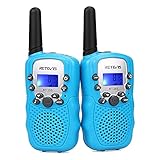 | Retevis RT388 Kids Walkie Talkies, Outdoor Toys for Kids Camping Essentials | Check Price On Amazon |
 | Cobra RX680 Walkie Talkies (2-Pack), IP54 Water Resistant Design | Check Price On Amazon |
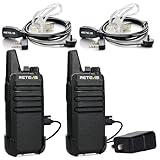 | Retevis RT22 Walkie Talkies Long Range Rechargeable with Earpiece (2 Pack) | Check Price On Amazon |
 | Midland GXT1000VP4 GMRS Two-Way Radios with Headsets, Black, 2 Pack | Check Price On Amazon |
 | Retevis RT628 Walkie Talkies for Kids,Toys Gifts for 6-12 Years Old Boys Girls,Long Range 2 Way Radio 22CH VOX,Birthday Gift,Family Walkie Talkie for Camping Hiking Indoor Outdoor | Check Price On Amazon |