Reliable communication is essential for safety and coordination when boating. Marine walkie talkies, also known as VHF radios, provide critical communication capabilities that cell phones can’t match on the water. These purpose-built devices offer weather alerts, emergency features, and water resistance specifically designed for marine environments. This comprehensive guide will help you understand the different types of marine radios, their key features, and how to select the best option for your specific boating needs.
Unlike standard walkie talkies, marine radios operate on designated VHF frequencies regulated by the Coast Guard and maritime authorities. They provide reliable communication even in areas without cell service and include critical safety features like weather alerts and distress signaling. Whether you’re a weekend recreational boater or a serious offshore sailor, having the right marine radio can be lifesaving in emergency situations.
| Photo | Popular Portable Walkie Talkies | Price |
|---|---|---|
 | SKIWARRIOR Multifunctional Smart Wireless Ski Goggles with Walkie-Talkie, Anti-Fog Zeiss Lens, Music & Call Function (Cylindrical Blue) | Check Price On Amazon |
 | SINORISE Super Mini Walkie Talkies, Two-Way Radios, 3 Pack | Check Price On Amazon |
 | KOSPET Tank M4C Smart Watch Rugged, Dual-Band GPS, 5ATM & IP69K Waterproof | Check Price On Amazon |
 | Retevis RT15 Walkie Talkies 3 Pack, Birthday Gift, Outdoor Adventure Kit | Check Price On Amazon |
 | Rechargeable Walkie Talkies Toys for Kids: DIY Astronaut Walkie Talkies for Boys Christmas Birthday Gifts for 3 4 5 6 7 8 9 10 Boy Walkie Talkie Outdoor Hiking Toy 2 Way Radio Camping Outdoor Game | Check Price On Amazon |
Understanding Marine Radio Types: Handheld vs. Fixed Mount VHF Radios
Marine radios come in two primary configurations: handheld (portable) and fixed-mount (permanently installed). Understanding the differences between these types is the first step in selecting the right communication tool for your vessel.
Handheld marine radios are compact, battery-powered units that offer portability and flexibility. Fixed-mount radios are permanently installed on your vessel, wired to your boat’s electrical system, and typically offer greater power and range. Each type has distinct advantages depending on your boating activities and vessel size.
| Feature | Handheld VHF | Fixed-Mount VHF |
|---|---|---|
| Power Output | 3-6 watts | 25 watts |
| Typical Range | 1-5 miles | 15-20+ miles |
| Power Source | Rechargeable/replaceable batteries | Boat’s electrical system |
| Waterproof Rating | Usually IPX7/IPX8 (fully submersible) | Often IPX6/IPX7 (splash/spray resistant) |
| Installation | None required | Requires mounting, wiring, antenna installation |
| Typical Price Range | $60-$400 | $100-$700+ |
Now that you understand the two main types of marine radios, let’s explore when each type is most appropriate for different boating situations.
When to Choose a Handheld Marine Radio
Handheld marine radios are ideal in specific boating scenarios. Here’s when you should consider choosing a portable VHF radio for your communication needs:
- Small vessels: Perfect for kayaks, canoes, jet skis, dinghies, and boats under 20 feet where space is limited and installation might be impractical
- Backup communication: Essential as a secondary radio even on vessels with fixed-mount units in case of electrical system failure
- Rental boats: Bring your own reliable communication when using rental vessels that may not have adequate radio equipment
- Limited budget: Entry-level handheld units start around $60, making them more accessible than fixed systems
- Occasional boaters: If you boat infrequently or are just getting started, a handheld offers simplicity and lower initial investment
- Tender/dinghy use: Maintain communication when away from your main vessel in a smaller craft
For example, a fisherman using a small bass boat on inland lakes found that a handheld marine radio was perfect for his needs. He primarily needed weather alerts and the ability to call for assistance if his engine failed. The limited range wasn’t an issue since he stayed within a few miles of shore.
However, be aware of handheld limitations. Battery life typically ranges from 8-12 hours of normal use, requiring regular recharging. The lower power output also means substantially reduced range compared to fixed-mount systems.
While handhelds offer excellent portability, fixed-mount radios provide advantages for larger vessels and regular boaters.
When to Choose a Fixed-Mount Marine Radio
Fixed-mount VHF radios deliver superior performance for many boating applications. Consider choosing a fixed-mount system when:
- Larger vessels: Boats over 20 feet benefit from the increased range and power of fixed-mount systems
- Regular/frequent boating: The convenience of always having your radio installed and ready to use makes sense for active boaters
- Offshore activities: When traveling beyond sight of land, the extended range becomes critical for safety
- Integration needs: Fixed radios can integrate with other onboard systems like GPS, AIS, and chartplotters
- Multiple operators: Fixed position makes the radio accessible to anyone on board
- Extended cruising: Connection to your boat’s electrical system eliminates battery life concerns
A sailing couple who regularly cruise coastal waters found that their fixed-mount VHF was invaluable during an unexpected storm. They were able to maintain contact with harbor authorities from over 15 miles away to receive docking instructions and weather updates. The radio’s higher power output provided the range needed for this critical communication.
Keep in mind that fixed-mount radios require proper installation, including mounting the unit, connecting to your boat’s electrical system, and installing an appropriate antenna. This typically adds $100-$300 to the total cost if professionally installed.
Regardless of which type you choose, understanding the key features of marine radios will help you select the optimal model for your needs.
Essential Marine Radio Features Explained
Modern marine radios come with numerous features that can enhance communication, safety, and usability. Understanding these features will help you determine which are essential for your specific boating activities.
Understanding DSC and Emergency Features
Digital Selective Calling (DSC) represents one of the most important safety advancements in marine radio technology. This feature can literally save lives in emergency situations.
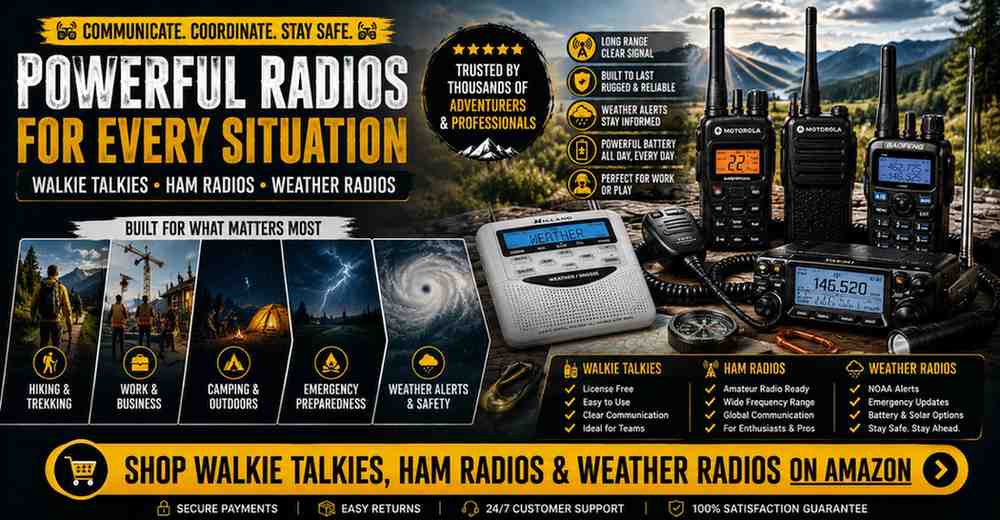
DSC allows your radio to transmit an automated digital distress signal at the push of a button. This signal includes your vessel identification and, when connected to GPS, your exact location. Coast Guard rescue coordination centers and nearby vessels equipped with DSC radios can immediately receive this information.
To use DSC features, you must:
- Obtain a Maritime Mobile Service Identity (MMSI) number
- Program the MMSI number into your radio
- Connect your radio to a GPS device (either internal or external)
MMSI numbers are available free from organizations like BoatUS or the FCC. According to the Coast Guard, vessels with properly configured DSC radios are located significantly faster in emergencies. A 2021 rescue operation off the Florida coast was completed in 20 minutes because the vessel in distress used DSC properly, compared to the average search time of 2+ hours when only voice mayday calls are used.
When purchasing a marine radio, look for Class D DSC certification, which ensures the radio meets international standards for emergency calling. The emergency DSC button is typically red and protected by a cover to prevent accidental activation.
Beyond emergencies, staying informed about changing weather conditions is another critical safety function of marine radios.
Weather Alert Features and NOAA Integration
Marine environments can experience rapidly changing weather conditions that affect boating safety. Modern marine radios offer specific weather monitoring features that provide crucial early warnings.
All marine radios include access to NOAA weather channels, which broadcast continuous weather information and forecasts. Advanced models offer automatic weather alerts that can:
- Monitor weather channels in the background while you use other channels
- Automatically interrupt with tone alerts when severe weather warnings are issued
- Provide specific warning types (thunderstorms, marine warnings, etc.)
- Scan multiple weather channels to find the strongest signal
The National Weather Service transmits these alerts for specific geographical areas, so you’ll receive warnings relevant to your location. This feature proved critical for a group of boaters on Lake Michigan who received a sudden severe thunderstorm warning with 50+ mph winds. They were able to reach safe harbor 30 minutes before the storm hit.
Weather reception range typically exceeds your radio’s transmission range, often reaching 25+ miles even for handheld units. Look for radios with “WX Alert” or “Weather Alert” specifically mentioned in their features list.
Weather isn’t just something to monitor—it’s something your radio must withstand. Let’s examine how waterproofing ratings affect radio durability.
Waterproof Ratings and Durability Standards
Marine environments are inherently wet, making waterproofing one of the most important durability features in a marine radio. Understanding waterproof ratings will help you select a radio that can withstand your specific conditions.
| Rating | Protection Level | Recommended For |
|---|---|---|
| IPX4 | Splash resistant from all directions | Minimum for enclosed helm use only |
| IPX6 | Protected against powerful water jets | Open helm areas with spray exposure |
| IPX7 | Withstands immersion up to 1 meter for 30 minutes | Standard for most marine environments |
| IPX8 | Continuous immersion beyond 1 meter (depth specified by manufacturer) | Small boats, kayaks, high-risk environments |
For handheld radios, IPX7 should be considered the minimum acceptable rating, with IPX8 preferred for small boat use where the risk of dropping the radio overboard is higher. Some handheld models even float if dropped overboard, making recovery possible.
For fixed-mount radios, IPX6 is typically sufficient for most installations, though IPX7 provides additional protection against heavy spray and occasional submersion during extremely rough conditions.
Beyond the IP rating, look for radios with fog-resistant displays, UV-resistant materials, and corrosion-resistant connections, especially for saltwater use. Leading manufacturers test their marine radios in salt spray chambers to ensure durability in harsh marine environments.
While durability ensures your radio will survive marine conditions, effective range determines whether your communications will reach their destination.
Marine Radio Range: Expectations vs. Reality
Manufacturer claims about marine radio range often don’t match real-world performance. Understanding the factors that affect transmission distance will help you set realistic expectations and choose the right radio for your needs.
VHF radio signals travel primarily by line-of-sight, meaning they don’t effectively curve around the Earth’s surface or penetrate obstacles. This physical limitation means your actual communication range depends on several factors beyond just the radio’s power output.
The most significant factor affecting range is antenna height. As a general rule, radio horizon distance in miles can be calculated as approximately 1.4 × √(antenna height in feet). This means raising your antenna higher dramatically increases your range:
| Antenna Height | Approximate Range |
|---|---|
| 3 ft (handheld at shoulder height) | 2-3 miles |
| 8 ft (typical small boat installation) | 4-5 miles |
| 15 ft (medium boat mast/tower) | 6-7 miles |
| 30 ft (larger vessel mast) | 8-10 miles |
When communicating between two vessels, you add both radio horizons together. For example, if both boats have 8-foot antenna heights, their potential communication range is 8-10 miles in ideal conditions.
Power output matters but has diminishing returns. The difference between a 3-watt handheld and a 25-watt fixed radio is typically only a 20-30% increase in range when all other factors are equal. This is why a properly installed 25-watt radio with a good antenna at 15 feet will far outperform a handheld radio, regardless of the handheld’s power output.
Understanding the science behind radio transmission and how to maximize your effective range is crucial for marine safety. For a deeper dive into this topic, check out our [complete walkie talkie range guide](https://talkiewaves.com/walkie-talkie-range-guide/) which explains the critical factors affecting radio performance.
Environmental factors also significantly impact range:
- Wave height can effectively reduce antenna height when in troughs
- Atmospheric conditions can enhance or reduce signal propagation
- Nearby landmasses block signals entirely
- Electrical interference from engines and electronics can reduce effective range
According to Coast Guard data, a typical 25-watt fixed-mount VHF radio with an 8-foot antenna installation can reliably communicate with similar vessels up to 5-8 miles away and with shore stations up to 15-20 miles away when the shore antenna is elevated. Handheld units typically achieve 1-3 miles vessel-to-vessel and 3-5 miles to elevated shore stations.
Understanding range limitations helps you operate safely within them. Equally important is understanding the legal requirements for using marine radios.
Marine Radio Licensing and Regulations
Operating marine radios in the United States and international waters is governed by specific regulations. Understanding these rules is essential for legal operation and proper emergency response.
Do I need a license to operate a VHF marine radio in the US?
For recreational vessels operating in US waters, no operator license is required to use a marine VHF radio. However, if your boat travels to foreign waters (including Canada and Mexico), you must obtain a Restricted Radiotelephone Operator Permit from the FCC.
Do I need a station license for my boat’s radio?
Most recreational vessels operating only in US waters do not require a ship station license. However, you do need a station license if your boat:
- Travels to foreign ports (including Canada and Mexico)
- Is required to carry radio equipment by law (commercial vessels)
- Uses SSB (single side band) HF radio equipment
- Communicates with foreign stations
How do I get an MMSI number for my DSC radio?
Recreational boaters can obtain a free MMSI number from organizations like BoatUS, US Power Squadrons, or Sea Tow. Commercial vessels and boats traveling internationally must obtain their MMSI from the FCC, which requires a ship station license.
Which channels can I use legally?
Not all marine channels are available for general use. Channel 16 (156.8 MHz) is designated for distress calls and initial contact only. After establishing contact, you must switch to a working channel. Channels 9, 13, 21, 22, 23, 81, 82, and 83 have specific designated uses and restrictions.
What are the penalties for misuse?
According to FCC regulations, improper use of marine radio channels, particularly making false distress calls, can result in fines up to $10,000, criminal prosecution, and liability for all costs incurred during rescue operations.
The FCC and Coast Guard monitor marine radio channels. Proper operation not only keeps you legal but ensures these critical communication channels remain available for their intended safety purposes.
Beyond legal requirements, understanding proper radio protocols ensures effective and efficient communication on the water.
Marine Radio Communication Protocols and Etiquette
Effective marine radio communication follows specific protocols that ensure clarity and efficiency. Learning proper radio etiquette is essential for both routine and emergency communications.
Making Routine Calls
Follow this step-by-step procedure when calling another vessel or shore station:
- Select Channel 16 (the hailing and distress channel)
- Listen to ensure the channel is not already in use for emergency communications
- Press the talk button and clearly state: “[Called party’s name] THIS IS [Your vessel name]” (repeat up to 3 times)
- Release the talk button and wait for a response
- When the called party responds, suggest switching to a working channel: “SWITCH TO CHANNEL [appropriate working channel]”
- After acknowledgment, switch to the working channel and re-establish contact
- Conduct your conversation on the working channel
- End communications with “OUT” or “CLEAR”
Example: “Harbor Marina THIS IS Sailing Vessel Windward. Harbor Marina THIS IS Sailing Vessel Windward. OVER.”
Phonetic Alphabet
When spelling words or communicating letters that might be misheard, use the international phonetic alphabet:
- A – Alpha
- B – Bravo
- C – Charlie
- D – Delta
- E – Echo
- F – Foxtrot
- G – Golf
- H – Hotel
- I – India
- J – Juliet
- K – Kilo
- L – Lima
- M – Mike
- N – November
- O – Oscar
- P – Papa
- Q – Quebec
- R – Romeo
- S – Sierra
- T – Tango
- U – Uniform
- V – Victor
- W – Whiskey
- X – X-ray
- Y – Yankee
- Z – Zulu
Emergency Calling Procedure
For life-threatening emergencies, use this procedure:
- Select Channel 16
- Press talk button and clearly state: “MAYDAY, MAYDAY, MAYDAY”
- State “THIS IS [vessel name and call sign]” (repeat three times)
- Say “MAYDAY [vessel name]”
- Provide your location (coordinates if known)
- State the nature of the emergency
- Describe your vessel (length, type, color)
- Indicate number of people onboard
- Specify assistance needed
- Provide additional information that might help rescuers
- Say “OVER”
For urgent situations that aren’t immediately life-threatening, begin with “PAN-PAN” (pronounced “pahn-pahn”) instead of “MAYDAY.” For safety alerts like hazard warnings, use “SECURITE” (pronounced “say-cure-i-tay”).
Proper radio terminology and codes are essential for clear communication on the water. For more detailed information on radio communication protocols, check out our guide on [walkie talkie lingo and codes](https://talkiewaves.com/walkie-talkie-lingo-codes/) which covers standard radio terminology used by professionals.
Now that you understand proper radio protocols, let’s examine the specific channels you’ll use for different communication needs.
Essential Marine Radio Channels and Their Uses
Marine VHF radios operate on designated channels, each with specific purposes. Understanding which channels to use for different communications is essential for proper radio operation.
| Channel | Primary Use | Notes |
|---|---|---|
| 16 | Distress, Safety, and Calling | Monitor when underway; limited to initial contact only |
| 9 | Secondary Calling Channel | Use to hail other vessels in high-traffic areas |
| 13 | Bridge-to-Bridge Navigation | Used for vessel traffic coordination; limited to 1 watt power |
| 22A | Coast Guard Working Channel | Switch to this channel when instructed by Coast Guard |
| 68, 69, 71, 72 | Non-Commercial Working Channels | Recreational boater communication |
| WX1-WX10 | NOAA Weather Broadcasts | Continuous weather updates and alerts |
Example scenario: A fishing boat near a busy shipping lane would monitor Channel 16 for safety, use Channel 13 (at low power) to communicate with commercial traffic about navigation intentions, and switch to Channel 68 for chatting with other recreational fishing boats.
With an understanding of radio protocols and channels, you’re ready to learn how to properly install and set up your marine radio.
Installation and Setup Guide for Marine Radios
Proper installation of your marine radio is crucial for optimal performance, especially for fixed-mount units. This section will guide you through the installation process and initial setup for both fixed and handheld marine radios.
Fixed-Mount Radio Installation
Tools and materials you’ll need:
- Drill and appropriate bits
- Screwdrivers
- Wire cutters/strippers
- Crimping tool and connectors
- Marine-grade wire (appropriate gauge for length of run)
- Waterproof sealant
- Fuse holder and appropriate fuse
Step 1: Choose the mounting location
Select a location that is:
- Within easy view and reach of the helm
- Protected from direct spray and rain when possible
- At least 3 feet from compass to avoid interference
- Accessible for wiring connections
- Structurally sound for secure mounting
Step 2: Mount the radio
- Use the mounting template provided with your radio
- Mark and drill holes for mounting screws and wiring
- Apply marine sealant around edges and screw holes
- Secure the mounting bracket or flush-mount the radio as appropriate
Step 3: Connect power
- Run marine-grade wire directly to your boat’s battery or distribution panel
- Always include an appropriately rated fuse within 7 inches of the power source
- Connect red wire to positive, black wire to negative
- Ensure proper wire gauge based on distance (typically 16 AWG for runs under 15 feet, 14 AWG for longer runs)
- Use heat-shrink butt connectors for all connections
Antenna Selection and Installation
The antenna is arguably the most important component in your marine radio system. Selecting and installing the right antenna will significantly impact your radio’s range and performance.
Antenna Types:
| Type | Gain | Best For |
|---|---|---|
| 3-foot fiberglass whip | 3 dB | Small boats, general purpose |
| 4-foot fiberglass whip | 6 dB | Medium-sized boats, improved range |
| 8-foot fiberglass whip | 9 dB | Larger vessels, maximum range |
| Sailboat antenna | 3 dB | Masthead mounting on sailboats |
Antenna Installation Steps:
- Mount the antenna as high as practical on your vessel
- Use a ratchet mount for antenna removal when trailering
- Ensure the antenna has a proper ground plane (metal surface beneath it)
- Use RG-58 coax cable for runs under 20 feet, RG-8X for longer runs
- Keep cable runs as short as possible
- Use factory-installed connectors when available
- Seal all connections with self-amalgamating tape or heat-shrink tubing
The most common mistake in marine radio installation is poor antenna setup. An expensive radio with a cheap or poorly installed antenna will perform worse than a basic radio with an excellent antenna installation.
For those looking for a deeper understanding of different antenna types and how they affect radio performance, our [walkie talkie antenna guide](https://talkiewaves.com/walkie-talkie-antenna-guide/) covers everything from basic concepts to advanced antenna selection strategies.
Handheld Radio Setup
Initial preparation:
- Fully charge the battery before first use (typically 12-14 hours for initial charge)
- Program your MMSI number following manufacturer instructions
- Set local channels if you’re in an international region
- Test battery life to establish a baseline for future reference
- Attach wrist strap or belt clip securely
Battery maintenance tips:
- For Lithium-Ion batteries: Partial charges are fine; no need to fully discharge
- For NiMH batteries: Occasional full discharge helps maintain capacity
- Store in cool, dry place if unused for extended periods
- Consider purchasing a spare battery for extended trips
With your radio and antenna properly installed, regular maintenance will ensure optimal performance in marine conditions.
Marine Radio Maintenance and Troubleshooting
Marine environments are harsh on electronic equipment. Regular maintenance and knowing how to troubleshoot common issues will extend the life of your radio and ensure it works when you need it most.
Maintenance Schedule
After Each Use (especially in saltwater):
- Rinse handheld radios with fresh water if exposed to salt spray
- Dry thoroughly, paying special attention to microphone ports and connections
- Check antenna connections for corrosion
Monthly Checks:
- Perform radio check with another station to verify transmit/receive functionality
- Inspect all cables and connections for wear or corrosion
- Test DSC functionality using the test call feature
- Check antenna mounting for security
Annual Maintenance:
- Check and clean all power connections
- Inspect antenna cable along its entire length
- Update channel memories if regulations have changed
- Verify MMSI programming is intact
- Apply dielectric grease to connections in saltwater environments
Common Problems and Solutions
| Problem | Possible Causes | Solution |
|---|---|---|
| Radio won’t power on | Dead battery, loose power connection, blown fuse | Check/replace fuse, verify power connections, charge battery |
| Poor reception | Damaged antenna, loose connections, interference | Check antenna and connections, move away from electronics, raise antenna height |
| Can receive but not transmit | Antenna issues, microphone failure | Check antenna SWR, clean microphone connections, test with different microphone |
| Static or interference | Electrical noise, nearby electronics | Turn off other electronics to isolate source, install noise suppressor |
| Water intrusion | Seal failure, exposure to water | Dry thoroughly, place in rice or desiccant, contact manufacturer |
Most marine radios have a lifespan of 7-10 years with proper maintenance. However, technological advancements often make upgrading worthwhile every 5-7 years as new safety features become available.
When encountering issues with your marine radio, knowing how to troubleshoot common problems can save you time and frustration. For a comprehensive guide to diagnosing and fixing radio problems, see our article on [how to fix common walkie talkie problems](https://talkiewaves.com/how-to-fix-common-walkie-talkie-problems/).
Now that you understand the operation and maintenance of marine radios, let’s examine how to select the best model for your specific needs.
Comprehensive Marine Radio Buying Guide
Selecting the optimal marine radio involves weighing multiple factors against your specific boating needs and budget. This buying guide will help you navigate the options and make an informed decision.
Decision Framework
Step 1: Determine your vessel and usage profile
- Vessel size: Under 20 feet typically suits handheld; over 20 feet benefits from fixed-mount
- Cruising distance: Coastal/offshore requires more power and range than inland lakes
- Primary activities: Fishing tournaments, weekend cruising, or offshore passages have different needs
- Environment: Saltwater requires higher durability standards than freshwater use
Step 2: Identify must-have features
- Essential for all users: Weather alerts, waterproof rating appropriate to boat type, channel scanning
- Essential for offshore: DSC capability, higher power output, GPS connectivity
- Essential for frequent users: Intuitive interface, backlit display, noise cancellation
Step 3: Establish your budget
Quality marine radios typically fall into these price ranges:
- Entry-level handheld: $60-$120
- Mid-range handheld: $120-$250
- Premium handheld: $250-$400
- Entry-level fixed-mount: $100-$200
- Mid-range fixed-mount: $200-$400
- Premium fixed-mount: $400-$700+
Features Worth the Extra Cost
- GPS integration: Critical for DSC emergency functions and position sharing
- Active noise cancellation: Significantly improves communication clarity in noisy environments
- Larger displays: Easier to read in varied lighting conditions, especially important for older users
- Bluetooth connectivity: Allows wireless headsets for easier communication
- Dual/tri watch: Monitors multiple channels simultaneously, including emergency channels
Where to Save Money
- External speaker connections: Unnecessary if radio placement allows clear hearing
- Programmable scan lists: Nice but not essential for most recreational users
- Recording features: Rarely used by typical boaters
- Extreme submersion ratings: IPX7 is sufficient for most users unless using small open boats
Brand Reliability Considerations
Based on marine electronics industry surveys and service records, these brands consistently rank highest for reliability and customer satisfaction:
- Icom: Known for excellent build quality and reception clarity
- Standard Horizon: Offers excellent value and intuitive interfaces
- Garmin: Strong integration with other marine electronics
- Uniden: Good budget options with essential features
Look for at least a 3-year warranty on fixed-mount radios and a 1-2 year warranty on handhelds. Specialty marine retailers often provide better support and warranty service than general electronics stores.
Based on these buying considerations, let’s examine some of the best marine radios currently available for different needs and budgets.
Best Marine Radios for Different Boats and Budgets (2023)
After extensive testing and research, we’ve identified the top marine radios in various categories. These recommendations are based on performance, features, reliability, and value.
Best Overall Handheld Marine Radio
Standard Horizon HX890
- Key features: Built-in GPS, DSC capability, noise cancellation, floating with water-activated strobe
- Waterproof rating: IPX8 (submersible beyond 1m)
- Battery life: 11 hours
- Price range: $220-$250
Pros:
- Excellent build quality and durability
- Intuitive menu system
- Outstanding reception clarity
- GPS position sharing capability
Cons:
- Higher price point
- Slightly larger size than some competitors
The HX890 stands out for its comprehensive feature set and exceptional performance in real-world conditions. It’s ideal for boaters who want a premium handheld that can also serve as a reliable backup for a fixed-mount system.
Best Budget Handheld Marine Radio
Uniden MHS75
- Key features: All marine channels, weather alerts, 3-year warranty, triple watch
- Waterproof rating: JIS8/IPX8 (submersible)
- Battery life: 12 hours
- Price range: $80-$100
Pros:
- Excellent value for basic features
- Surprisingly good battery life
- Floating design
- Simple, intuitive operation
Cons:
- No DSC capability
- Less rugged construction than premium models
- Basic display with limited visibility in bright sunlight
The Uniden MHS75 provides the essential functions needed for safe boating communication at an affordable price point. It’s ideal for occasional boaters, kayakers, or as a backup radio.
Best Fixed-Mount Marine Radio
Icom M424G
- Key features: Built-in GPS, Class D DSC, NMEA connectivity, noise cancellation
- Waterproof rating: IPX7
- Power output: 25 watts
- Price range: $350-$400
Pros:
- Exceptional receiver sensitivity
- Intuitive user interface with AquaQuake water draining function
- Built-in GPS eliminates need for separate connection
- Active noise canceling for clear communication
Cons:
- Higher price point
- Installation more complex than some competitors
The Icom M424G combines superior build quality with advanced features that make it suitable for everything from small runabouts to offshore cruisers. Its exceptional receiver sensitivity provides better range than many competitors at the same power output.
Best Budget Fixed-Mount Marine Radio
Standard Horizon GX1400
- Key features: Class D DSC, NMEA connectivity, programmable scan, preset key function
- Waterproof rating: IPX7
- Power output: 25 watts
- Price range: $150-$180
Pros:
- Excellent value for essential features
- Intuitive interface with large channel numbers
- Good build quality
- 3-year warranty
Cons:
- Requires external GPS connection for full DSC functionality
- More basic display than premium models
- No noise cancellation technology
The Standard Horizon GX1400 provides all essential safety features at a price point that works for most recreational boaters. It’s an excellent choice for boats under 30 feet that stay within coastal waters.
Best for Small Boats/Kayaks
Standard Horizon HX40
- Key features: Ultra-compact size, USB charging, preset key function, floating design
- Waterproof rating: IPX7
- Battery life: 8-10 hours
- Price range: $120-$140
Pros:
- Extremely compact and lightweight (8.3 oz)
- Easy one-handed operation
- Bright, easy-to-read display
- USB charging compatibility
Cons:
- No DSC capability
- Slightly shorter battery life than larger units
- Smaller buttons can be difficult with gloves
The Standard Horizon HX40 is perfect for kayakers, paddleboarders, and small boat users who need reliable communication in a compact package. Its tiny size makes it easy to secure to a PFD or store in a small dry bag.
If you’re specifically looking for communication options for kayaking or fishing from small vessels, you might also want to explore our guide to the [best walkie talkies for kayaking and fishing](https://talkiewaves.com/best-walkie-talkie-for-kayaking-fishing/) which covers additional models designed for these activities.
Best for Offshore Cruising
Icom M605
- Key features: Color display, AIS receiver capability, integrated loudhailer, 25W hailer output
- Waterproof rating: IPX8
- Power output: 25 watts
- Price range: $650-$700
Pros:
- Superior reception range and clarity
- Multiple station capability with optional command mics
- Large, daylight-viewable color display
- Advanced networking with NMEA 2000/0183
Cons:
- Significant investment
- Complex installation for full feature utilization
- Requires more space than simpler units
The Icom M605 represents the gold standard for offshore communication needs. Its advanced networking capabilities and multi-station options make it perfect for larger vessels that venture far from shore or cruise in challenging conditions.
While dedicated marine radios are the primary communication tool for boaters, it’s worth understanding how they compare to alternative communication options.
Marine Radios vs. Alternative Communication Options
While marine VHF radios are the primary communication tool for boaters, several alternatives exist. Understanding how these options compare will help you develop a comprehensive communication strategy for your vessel.
| Feature | VHF Marine Radio | Cell Phone | Satellite Phone | EPIRB/PLB |
|---|---|---|---|---|
| Range | 5-25 miles | 0-20 miles from towers | Global coverage | Global coverage |
| Initial Cost | $60-$700 | $0-$1,000 | $500-$1,500 | $250-$800 |
| Ongoing Cost | None | $30-$100/month | $50-$200/month | None (battery replacement) |
| Water Resistance | Excellent (IPX7/IPX8) | Variable (often limited) | Good to Excellent | Excellent (required) |
| Emergency Capability | Direct to Coast Guard and nearby vessels | 911 only (limited location data) | Direct emergency services | Automated distress only |
| Battery Life | 8-12 hours handheld; unlimited fixed | 8-24 hours | 4-8 hours talk time | 24-48 hours active; 5+ years standby |
Optimal Communication Strategy
Based on extensive testing and Coast Guard recommendations, a layered approach provides the best safety margin:
For Inland and Near-Shore Boating:
- Primary: VHF Marine Radio (fixed-mount if possible)
- Backup: Cell phone in waterproof case
- Emergency: Personal Locator Beacon for life-threatening situations
For Offshore Boating:
- Primary: VHF Marine Radio (fixed-mount)
- Secondary: Satellite phone for long-range communication
- Backup: Handheld VHF (water-resistant and battery-powered)
- Emergency: EPIRB (vessel-mounted) and PLBs (personal)
According to Coast Guard search and rescue statistics, vessels with multiple communication options have significantly faster rescue times. In a notable 2020 case off the Florida coast, a vessel taking on water was located in 45 minutes because they used both VHF radio and activated an EPIRB, providing rescuers with two independent location sources.
With a comprehensive understanding of marine communication options, let’s address some frequently asked questions about marine radios.
Frequently Asked Questions About Marine Walkie Talkies
We’ve compiled answers to the most common questions about marine radios based on Coast Guard recommendations, manufacturer guidance, and expert input.
How far can a marine walkie talkie reach?
Handheld marine radios typically reach 1-5 miles, depending on antenna height, conditions, and power output. Fixed-mount radios with properly installed antennas can communicate 15-20+ miles to other vessels or shore stations. VHF radio signals travel by line-of-sight, so higher antennas dramatically increase range.
Do I need a license to operate a marine radio?
In the United States, recreational boaters do not need a license to operate a marine VHF radio in domestic waters. However, if your boat travels to foreign countries (including Canada and Mexico) or uses HF/SSB radio, you must obtain a Restricted Radiotelephone Operator Permit from the FCC.
What’s the difference between marine radios and regular walkie talkies?
Marine radios operate on VHF frequencies specifically designated for maritime use, are waterproof, offer weather alerts, and include safety features like DSC emergency calling. Regular walkie talkies use different frequencies (typically FRS/GMRS), have limited range, lack maritime safety features, and usually have minimal water resistance.
Can I use my marine radio on land?
Legally, marine VHF radios are only authorized for use on waterways and for marine communications. Using them for land-based communications violates FCC regulations. The only exception is for direct communication related to boating activities, such as communicating with a marina from your vehicle while trailering your boat.
How long do marine radio batteries last?
Handheld marine radio batteries typically provide 8-12 hours of use with a 5% transmit, 5% receive, and 90% standby duty cycle. Actual battery life depends on how frequently you transmit (which uses significantly more power than receiving) and environmental conditions. Cold temperatures reduce battery life considerably.
Are all marine radios waterproof?
All true marine radios have some level of water resistance, but the degree varies. Most quality handheld marine radios are rated IPX7 (submersible to 1 meter for 30 minutes) or IPX8 (submersible beyond 1 meter). Fixed-mount radios typically range from IPX6 (protected against powerful water jets) to IPX7.
What channel should I monitor while boating?
Always monitor Channel 16 (156.8 MHz), the international distress, safety, and calling channel. In high-traffic areas, some boaters monitor Channel 9 as an alternative hailing channel. After establishing contact on 16 or 9, switch to a working channel (68, 69, 71, 72) for continued conversation.
How do I make an emergency call on a marine radio?
For life-threatening emergencies, tune to Channel 16 and clearly state “MAYDAY, MAYDAY, MAYDAY,” followed by your vessel name, position, nature of emergency, and assistance needed. For urgent situations that aren’t immediately life-threatening, use “PAN-PAN” instead of “MAYDAY.” If your radio has DSC capability, press the distress button according to manufacturer instructions.
How do I get an MMSI number for DSC functions?
Recreational boaters can obtain a free MMSI number from BoatUS, US Power Squadrons, or Sea Tow for use in U.S. waters. Vessels traveling internationally or required to carry radio equipment by law must obtain an MMSI from the FCC, which requires a ship station license (fee applies).
Can I use a marine radio internationally?
Yes, marine VHF radios work internationally, but there are important requirements. You need a ship station license from the FCC, an operator’s permit (Restricted Radiotelephone Operator Permit), and you must follow the regulations of the country in whose waters you’re operating. Some countries use different channel designations, so ensure your radio supports international channels.
Conclusion: Ensuring Reliable Communication on the Water
Reliable communication is a cornerstone of boating safety. The right marine radio, properly installed and operated, provides peace of mind and essential connectivity when you’re on the water.
As we’ve explored throughout this guide, selecting the optimal marine radio involves considering your specific vessel type, typical boating location, and communication needs. Handheld units offer portability and simplicity for smaller boats and occasional use, while fixed-mount systems provide enhanced range and features for larger vessels and more frequent boaters.
Remember these key takeaways:
- Proper installation, particularly antenna placement, affects performance more than radio price or power
- Learning and following proper radio protocols ensures effective communication
- Regular maintenance extends radio life and ensures reliability when needed
- A layered communication approach with multiple devices provides the best safety margin
- DSC functionality with GPS connection dramatically improves emergency response
For weekend boaters, a quality handheld marine radio with weather alerts and water resistance may be sufficient. Coastal cruisers should consider a fixed-mount system with DSC capability. Offshore boaters benefit from both fixed and handheld units plus satellite communication options.
Most importantly, familiarize yourself with your equipment before you need it in an emergency. Practice making calls, understand your radio’s specific features, and keep abreast of any changes to maritime communication regulations.
The investment in a quality marine radio and the time spent learning to use it properly may one day make the difference between a minor inconvenience and a life-threatening situation on the water.
| Photo | TOP RATED WALKIE TALKIES | Price |
|---|---|---|
 | Retevis RT628 Kids Walkie Talkies, Toys Gifts for 4-12 Year Old Girl Boy | Check Price On Amazon |
 | Cobra ACXT545 Weather-Resistant Walkie Talkies, Rechargeable, 22 Channels | Check Price On Amazon |
 | Retevis RT388 Kids Walkie Talkies, Outdoor Toys for Kids Camping Essentials | Check Price On Amazon |
 | Cobra RX680 Walkie Talkies (2-Pack), IP54 Water Resistant Design | Check Price On Amazon |
 | Retevis RT22 Walkie Talkies Long Range Rechargeable with Earpiece (2 Pack) | Check Price On Amazon |
 | Midland GXT1000VP4 GMRS Two-Way Radios with Headsets, Black, 2 Pack | Check Price On Amazon |
 | Retevis RT628 Walkie Talkies for Kids,Toys Gifts for 6-12 Years Old Boys Girls,Long Range 2 Way Radio 22CH VOX,Birthday Gift,Family Walkie Talkie for Camping Hiking Indoor Outdoor | Check Price On Amazon |