
Radio modifications in aviation require strict adherence to legal boundaries established by the FAA. Every aircraft owner and maintenance professional must understand exactly what changes are permitted to ensure safety and compliance. This comprehensive guide covers the essential classifications, approval processes, and documentation requirements for legally modifying aviation radio equipment.
Understanding Major vs. Minor Alterations: The Legal Foundation
The legal foundation for all aviation radio modifications begins with a critical distinction: is your planned change considered a ‘major’ or ‘minor’ alteration under FAA regulations? This classification determines everything that follows in the approval process.
| Photo | Popular Portable Walkie Talkies | Price |
|---|---|---|
 | SKIWARRIOR Multifunctional Smart Wireless Ski Goggles with Walkie-Talkie, Anti-Fog Zeiss Lens, Music & Call Function (Cylindrical Blue) | Check Price On Amazon |
 | SINORISE Super Mini Walkie Talkies, Two-Way Radios, 3 Pack | Check Price On Amazon |
 | KOSPET Tank M4C Smart Watch Rugged, Dual-Band GPS, 5ATM & IP69K Waterproof | Check Price On Amazon |
 | Retevis RT15 Walkie Talkies 3 Pack, Birthday Gift, Outdoor Adventure Kit | Check Price On Amazon |
 | Rechargeable Walkie Talkies Toys for Kids: DIY Astronaut Walkie Talkies for Boys Christmas Birthday Gifts for 3 4 5 6 7 8 9 10 Boy Walkie Talkie Outdoor Hiking Toy 2 Way Radio Camping Outdoor Game | Check Price On Amazon |
According to 14 CFR Part 43 Appendix A, alterations are categorized based on their potential impact on airworthiness. The FAA clearly defines these categories to help maintenance personnel and aircraft owners determine the appropriate approval pathway.
Major alterations are those that might appreciably affect weight, balance, structural strength, performance, powerplant operation, flight characteristics, or other qualities affecting airworthiness. They require extensive documentation and formal approval processes.
Minor alterations are simple changes that do not fall into the major category. They have no significant effect on weight, balance, structural strength, or other airworthiness characteristics.
This distinction is crucial because it directly influences:
- Who can perform the work
- What approval process is required
- What documentation must be completed
- What testing must be conducted afterward
FAA Order 8900.1 provides additional guidance to help maintenance personnel properly classify alterations. Understanding this classification system prevents costly mistakes and ensures legal compliance throughout the modification process.
Examples of Major Radio Alterations
To help you properly categorize your planned modification, here are specific examples of changes to aviation radio equipment that the FAA classifies as major alterations:
- Complete replacement of COM/NAV systems with different models or types
- Installation of equipment requiring new control panel configurations or structural changes
- Modifications affecting the aircraft electrical load analysis
- Adding new antennas requiring structural modifications or skin penetrations
- Installing equipment that interfaces with flight-critical systems like autopilots
- ADS-B installations that modify existing transponder or electrical systems
- Radio equipment that requires new wiring harnesses or power sources
- Adding communication systems that operate on military frequencies, as these have specific restrictions that civilians must observe
These modifications significantly impact the aircraft’s systems and require proper engineering analysis and approval before implementation. They typically require Form 337 documentation and either a field approval or STC.
Examples of Minor Radio Alterations
By contrast, these radio equipment modifications typically qualify as minor alterations and follow a more streamlined approval process:
- Like-for-like replacements of existing equipment with identical models
- Installation of previously approved equipment in standard locations using existing mounts
- Software updates that don’t change equipment functionality or certification basis
- Panel modifications that don’t affect structural integrity or instrument arrangement
- Intercom system additions that don’t interface with primary radios
- Replacing antennas with approved models of the same type
- Adding auxiliary audio jacks or headphone outlets
- Simple repairs using standard practices from AC 43.13-1B
Minor alterations still require proper documentation in the aircraft records, but they don’t need pre-approval from the FAA or a field approval process.
Who Can Legally Perform and Approve Radio Modifications
Once you’ve determined whether your radio modification is major or minor, the next critical question is: who is legally authorized to perform the work and provide the necessary approvals?
For Minor Alterations:
- A&P mechanics with appropriate ratings can perform and approve minor alterations
- Avionics technicians working under a repair station certificate
- Aircraft owners/operators can perform certain preventive maintenance but not alterations
For Major Alterations:
- A&P mechanics with Inspection Authorization (IA) can inspect and approve major alterations
- FAA-certified repair stations with appropriate ratings
- Designated Engineering Representatives (DERs) may need to approve data
- FAA inspectors may be involved in the approval process
All personnel must be properly certified for the specific work being performed. For avionics and radio equipment, specialized knowledge and experience with electronic systems are essential. Radio communication equipment modifications also require understanding of frequency coordination and permission requirements in certain circumstances.
Equipment Modification Legal Boundaries: What Changes Are Permitted must be understood by everyone involved in the process. The boundaries aren’t just regulatory checkboxes but essential safety protocols designed to maintain airworthiness.
Approval Pathways: Field Approvals, STCs, and Other Options
Securing proper approval for your radio modification is essential for maintaining airworthiness. Let’s explore the different approval pathways and when each applies.

The approval pathway depends primarily on the classification of your modification and the availability of approved data. Here are the main options:
Field Approval
Field approvals are obtained directly from FAA inspectors at your local Flight Standards District Office (FSDO). They’re typically used for major alterations that are relatively straightforward and don’t require extensive engineering analysis.
Requirements include:
- FAA Form 337 submission
- Appropriate substantiating data
- Inspection by an FAA inspector or IA
Supplemental Type Certificate (STC)
STCs are formal approvals for significant modifications that:
- Affect multiple aircraft of the same type
- Require substantial engineering data
- Change the aircraft’s type design
STCs can be purchased from the original developer or created through the certification process. When aircraft equipment crosses international boundaries, import-export documentation for international equipment movement becomes an additional consideration.
Manufacturer Service Bulletins and Data
Manufacturers often provide approved data for installing their equipment, which can streamline the approval process. This includes:
- Installation manuals with approved data
- Service bulletins with installation instructions
- Technical Standard Order (TSO) authorization
DER-Approved Data
For complex modifications without existing approved data, a Designated Engineering Representative can review and approve technical data. This creates the substantiating data needed for a field approval or other approval pathway.
The choice between these pathways involves considering:
- Complexity of the modification
- Availability of existing approved data
- Timeline requirements
- Budget constraints
- Long-term plans for the aircraft
Field Approval Process Deep Dive
Field approvals represent one of the most common paths for radio modifications. Here’s a step-by-step guide to navigating this process successfully:
- Determine eligibility: Confirm your modification is suitable for field approval. Complex changes may require an STC instead.
- Gather substantiating data: Collect manufacturer specifications, advisory circulars, and other technical information.
- Contact your local FSDO: Schedule a meeting to discuss your planned modification and requirements.
- Complete FAA Form 337: Fill out all sections accurately, detailing the modification and referencing all substantiating data.
- Submit for approval: Present your completed form and documentation to the FAA inspector.
- Make any requested changes: Address any concerns or additional requirements from the inspector.
- Receive approval: Once approved, the inspector will sign Block 3 of Form 337.
- Perform the modification: Complete the work according to the approved data.
- Final inspection: Have an IA or repair station inspect the completed work.
- Return to service: Document the approval in the aircraft records.
Equipment Modification Legal Boundaries: What Changes Are Permitted often becomes most apparent during the field approval process, as FAA inspectors may identify regulatory issues not initially considered.
Common reasons for field approval rejection include:
- Incomplete documentation
- Insufficient substantiating data
- Modification complexity beyond field approval scope
- Improper classification of the alteration
STC and PMA Considerations for Radio Equipment
When modifications go beyond what’s typically approved through the field approval process, Supplemental Type Certificates (STCs) and Parts Manufacturer Approval (PMA) components enter the picture.
Using existing STCs can save significant time and money compared to developing a new one. To use an existing STC:
- Verify your aircraft is listed on the STC’s Approved Model List (AML)
- Purchase the STC from the holder (typically $300-$3,000 depending on complexity)
- Ensure you receive all required documentation, including installation instructions
- Follow the STC instructions precisely during installation
When choosing between PMA and TSO-approved equipment:
- TSO equipment meets specific FAA performance standards
- PMA parts are approved alternatives to original manufacturer parts
- TSO approval is generally required for communication and navigation equipment
- PMA parts may be used for supporting components if properly approved
Equipment Modification Legal Boundaries: What Changes Are Permitted becomes particularly important when dealing with STCs, as the boundaries are clearly defined in the approval documentation and must be strictly followed.
Documentation Requirements: Maintaining Airworthiness After Modification
Proper documentation of your radio modification isn’t just regulatory compliance. It’s essential for maintaining your aircraft’s airworthiness and preserving its value.
Required documentation includes:
For Minor Alterations:
- Maintenance record entry describing the work performed
- Reference to approved data used
- Date of completion
- Name and certificate number of the person approving the work
- Updated equipment list
For Major Alterations:
- Completed FAA Form 337 (Major Repair and Alteration)
- Detailed description of the alteration
- List of parts installed or removed
- Weight and balance amendments
- Electrical load analysis updates
- Instructions for continued airworthiness
- Amended equipment list
- Updated operations manuals or supplements
All documentation must be retained with the aircraft records. For major alterations, one copy of Form 337 stays with the aircraft records, and another is sent to the FAA Aircraft Registration Branch within 48 hours of completion.
Equipment Modification Legal Boundaries: What Changes Are Permitted must be reflected in your documentation to demonstrate compliance with applicable regulations.
Logbook Entry Requirements and Examples
Proper logbook entries serve as the official record of your radio modification. Here are the essential elements and real-world examples of compliant entries:
For Minor Alterations:
Date: October 15, 2023
Aircraft: N12345, Cessna 172M
A minor alteration was performed by replacing the existing KING KY-97A COM radio with an identical model. The installation was performed in accordance with manufacturer’s data and AC 43.13-1B. The radio was tested per manufacturer specifications and found to operate normally with no interference noted.
John Smith, A&P 1234567
For Major Alterations:
Date: October 15, 2023
Aircraft: N12345, Cessna 172M
A major alteration was performed by installing a Garmin GTN 650 GPS/COM/NAV system replacing the existing KX-155 NAV/COM. The installation was performed according to Garmin installation manual 190-01007-03 Rev. K and STC SA02019SE. The alteration is recorded on FAA Form 337 dated October 15, 2023. Weight and balance and electrical load analysis have been updated. The equipment was tested according to the manufacturer’s specifications and found to operate normally with no interference noted.
Jane Doe, IA 7654321
Common logbook entry mistakes to avoid include:
- Insufficient detail about the work performed
- Missing references to approved data
- Incomplete return to service statements
- Failure to document required testing
Testing and Validation Requirements After Radio Modifications
Once your radio modification is complete and documented, thorough testing is essential to ensure everything functions properly and meets regulatory requirements.
Required testing varies by equipment type but typically includes:
- Power and function tests: Verify the equipment powers on and basic functions work
- Performance validation: Check that the equipment meets specifications
- Interference testing: Ensure no interference with other aircraft systems
- Antenna VSWR testing: Verify proper antenna performance
- Range testing: Confirm communication distance meets requirements
- Emergency function testing: Verify operation during simulated electrical failures
Documentation of test results should include:
- Specific tests performed
- Equipment used for testing
- Test results with actual values where applicable
- Pass/fail criteria
- Name of technician performing tests
Flight testing may be required for:
- Navigation system accuracy verification
- Communication range testing
- Interference checking under actual flight conditions
- Validation of equipment performance at altitude
Equipment Modification Legal Boundaries: What Changes Are Permitted extends to testing requirements, as inadequate testing can invalidate an otherwise compliant modification.
Special Considerations for Different Aircraft Categories
The legal boundaries for radio modifications vary significantly depending on your aircraft’s category and the operations you conduct.
| Aircraft Category | Modification Requirements | Approval Process | Documentation |
|---|---|---|---|
| Standard Category (Part 91) | Must comply with all airworthiness requirements | Field approval or STC required for major alterations | Form 337 for major alterations, logbook entries for all work |
| Commercial (Part 135) | More stringent requirements, must comply with operations specifications | Operations specification amendments may be required | Additional documentation for FSDO and Principal Maintenance Inspector |
| Experimental Aircraft | Greater flexibility, but must comply with operating limitations | Typically owner-approved, unless specified in operating limitations | Logbook entries, no Form 337 required |
| Light Sport Aircraft | Must comply with consensus standards, manufacturer instructions | Manufacturer involvement often required | Per manufacturer requirements and operating limitations |
| Vintage/Antique | Special considerations for historical accuracy and safety | Field approvals with consideration for age and original configuration | Form 337 for major alterations with historical context noted |
Aircraft operated under Part 135 (charter) or Part 121 (airline) face additional requirements beyond standard Part 91 operations. These may include:
- Additional testing requirements
- More extensive documentation
- Operational evaluation periods
- Conformity to operations specifications
Experimental and Light Sport Aircraft Modification Freedoms
Experimental and Light Sport Aircraft owners enjoy significantly more flexibility when it comes to radio modifications, though important limitations still apply.
For Experimental Aircraft:
- No requirement for TSO-approved avionics in most cases
- Owner can typically perform and approve modifications
- Operating limitations dictate specific requirements
- Commercial off-the-shelf equipment often permitted
- No Form 337 required for modifications
For Light Sport Aircraft (LSA):
- Modifications must comply with consensus standards
- Manufacturer approval often required
- Equipment must be suitable for aviation use
- Weight restrictions must be maintained
- Changes must be documented according to manufacturer requirements
Equipment Modification Legal Boundaries: What Changes Are Permitted are more flexible for these categories but still require attention to operating limitations and safety considerations.
7 Common Mistakes in Radio Modifications (And How to Avoid Them)
Even experienced mechanics and aircraft owners can fall into these common pitfalls when modifying radio equipment. Here’s how to recognize and avoid these potentially costly mistakes.
- Misclassifying alterations
Problem: Treating a major alteration as minor, bypassing required approvals.
Solution: Consult AC 43.13-1B and FAA Order 8900.1 when in doubt. When uncertain, classify as major.
- Inadequate documentation
Problem: Missing details in logbooks or Form 337, creating airworthiness questions.
Solution: Use templates, checklists, and example entries. Have another mechanic review documentation.
- Improper use of non-TSO equipment
Problem: Installing equipment not approved for aviation use.
Solution: Verify equipment has appropriate TSO approval or is specifically allowed under your aircraft’s category.
- Overlooking electrical load analysis
Problem: Adding equipment that exceeds electrical system capacity.
Solution: Update electrical load analysis before installation. Consider total power consumption during all phases of flight.
- Antenna placement issues
Problem: Poor performance and interference due to improper antenna location.
Solution: Follow manufacturer guidelines for separation distances. Test for interference before final installation.
- Failure to update aircraft documents
Problem: Weight and balance, equipment list, and other documents not updated.
Solution: Create a documentation checklist. Update all affected documents immediately after installation.
- Unauthorized personnel performing work
Problem: Work performed by individuals without proper certification.
Solution: Verify all personnel have appropriate certificates and ratings before beginning work.
“I’ve seen numerous aircraft grounded during annual inspections because radio modifications weren’t properly documented,” says Thomas Johnson, FAA Designated Airworthiness Representative. “The most common issue is treating major alterations as minor, which can result in enforcement actions and significant costs to correct.”
Future-Proofing: Planning Radio Modifications for NextGen Compliance
As airspace modernization continues with NextGen initiatives, strategic planning of your radio modifications can save significant money and downtime in the future.
Current and upcoming requirements include:
- ADS-B Out already required in most controlled airspace
- Data Communications (DataComm) expanding to more airports
- Performance Based Navigation (PBN) requirements increasing
- Future expansion of ADS-B In applications
When planning modifications, consider:
- Modular systems that can be upgraded without complete replacement
- Equipment with software-updateable capabilities
- Systems from manufacturers with strong support histories
- Compatibility with both current and planned aircraft systems
- Adequate panel space for future additions
Cost-effective implementation strategies include:
- Phased upgrades that spread costs over time
- Combining multiple modifications during major maintenance events
- Selecting integrated systems that replace multiple legacy components
- Planning electrical system upgrades to support future equipment
Equipment Modification Legal Boundaries: What Changes Are Permitted will continue to evolve with technology and regulatory changes. Staying informed about upcoming requirements allows for more strategic modification planning.
Legal Boundaries Quick Reference Guide: Your Radio Modification Checklist
Use this comprehensive checklist to ensure your radio modification stays within legal boundaries and meets all regulatory requirements.
Planning Phase:
- Determine if modification is major or minor
- Identify all affected aircraft systems
- Verify personnel have appropriate certifications
- Select appropriate approval pathway
- Gather all required technical data
- Check aircraft category-specific requirements
Approval Phase:
- Contact FSDO if field approval needed
- Prepare Form 337 for major alterations
- Gather all substantiating data
- Obtain necessary approvals before beginning work
- Verify STC applicability if using an existing STC
Installation Phase:
- Follow approved data exactly
- Document any deviations and get approval
- Take photographs of the installation progress
- Update electrical load analysis
- Perform continuity and power tests before final connections
Testing Phase:
- Conduct ground tests per manufacturer specifications
- Check for interference with other systems
- Perform antenna VSWR testing
- Complete operational checks of all functions
- Conduct flight testing if required
- Document all test results
Documentation Phase:
- Complete appropriate maintenance record entries
- Finalize Form 337 for major alterations
- Update weight and balance records
- Revise equipment list
- Update pilot’s operating handbook supplements
- Submit required documents to FAA
Equipment Modification Legal Boundaries: What Changes Are Permitted requires careful attention at each phase of the modification process. This checklist helps ensure all regulatory requirements are met, maintaining your aircraft’s airworthiness and legal compliance.
| Photo | TOP RATED WALKIE TALKIES | Price |
|---|---|---|
 | Retevis RT628 Kids Walkie Talkies, Toys Gifts for 4-12 Year Old Girl Boy | Check Price On Amazon |
 | Cobra ACXT545 Weather-Resistant Walkie Talkies, Rechargeable, 22 Channels | Check Price On Amazon |
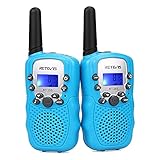 | Retevis RT388 Kids Walkie Talkies, Outdoor Toys for Kids Camping Essentials | Check Price On Amazon |
 | Cobra RX680 Walkie Talkies (2-Pack), IP54 Water Resistant Design | Check Price On Amazon |
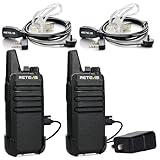 | Retevis RT22 Walkie Talkies Long Range Rechargeable with Earpiece (2 Pack) | Check Price On Amazon |
 | Midland GXT1000VP4 GMRS JIS4 Two-Way Radio, Black,2 Pack | Check Price On Amazon |
 | Retevis RT628 Walkie Talkies for Kids,Toys Gifts for 6-12 Years Old Boys Girls,Long Range 2 Way Radio 22CH VOX,Birthday Gift,Family Walkie Talkie for Camping Hiking Indoor Outdoor | Check Price On Amazon |