FCC inspections examine aircraft radio equipment to ensure compliance with federal regulations. These inspections verify proper licensing, equipment functionality, and operational compliance. Understanding what happens during an FCC equipment check helps aircraft owners prepare properly and avoid potential violations. This guide walks you through the entire inspection process from preparation to completion.
Understanding FCC Authority and Aviation Radio Regulations
The Federal Communications Commission’s authority to inspect aircraft radio stations stems from specific regulatory frameworks designed to ensure safety and proper spectrum usage in aviation communications. Under 47 CFR Part 87, the FCC regulates all aviation radio services in the United States, establishing the legal foundation for equipment inspections and compliance requirements.
| Photo | Popular Portable Walkie Talkies | Price |
|---|---|---|
 | SKIWARRIOR Multifunctional Smart Wireless Ski Goggles with Walkie-Talkie, Anti-Fog Zeiss Lens, Music & Call Function (Cylindrical Blue) | Check Price On Amazon |
 | SINORISE Super Mini Walkie Talkies, Two-Way Radios, 3 Pack | Up to 12 Hours Battery Life, for Baseball Coaches, Restaurants, Retail Stores, Hospitals, Outdoor Sports & Travel | Check Price On Amazon |
 | KOSPET Tank M4C Smart Watch Rugged, Dual-Band GPS, 5ATM & IP69K Waterproof | 1.96" AMOLED Display, 170+ Sport Modes, Built-in LED Flashlight/Walkie-Talkie, Heart Rate/Sleep Monitor for Android & iPhone | Check Price On Amazon |
 | Retevis RT15 Walkie Talkies 3 Pack, Birthday Gift, Outdoor Adventure Kit | Durable, Lightweight, VOX, Key Lock, Mini Walkie Talkies for Adults, School Family Outdoor Travel Camping Hiking | Check Price On Amazon |
 | Rechargeable Walkie Talkies Toys for Kids: DIY Astronaut Walkie Talkies for Boys Christmas Birthday Gifts for 3 4 5 6 7 8 9 10 Boy Walkie Talkie Outdoor Hiking Toy 2 Way Radio Camping Outdoor Game | Check Price On Amazon |
While the FAA focuses on operational safety and airworthiness, the FCC specifically oversees radio equipment licensing, frequency usage, and technical compliance. Any aircraft equipped with radio transmitting equipment falls under FCC jurisdiction, regardless of size or operation type. This regulatory authority applies to commercial airlines, private aircraft, and experimental aircraft alike.
Inspectors carry official FCC credentials and have legal authority to examine all radio equipment, documentation, and relevant maintenance records. Aircraft operators must provide reasonable access to these materials when requested by properly identified FCC personnel.
Key Regulations Every Aircraft Owner Should Know
Understanding the specific regulations that govern aviation radio operations helps ensure compliance during inspection procedures: what to expect during FCC equipment checks. These key requirements include:
- Part 87 Aviation Radio Service regulations governing all aviation communications
- Station license requirements for aircraft radio equipment
- Operator licensing requirements for radio usage
- Equipment technical standards and specifications
- Maintenance and record-keeping requirements
- International operation considerations under ICAO standards
Recent regulatory updates have emphasized digital documentation methods and strengthened requirements for emergency locator transmitter (ELT) registration and maintenance records. Staying current with these regulations helps prevent compliance issues.
FCC vs. FAA Requirements: Understanding the Distinction
Aircraft operators must navigate the sometimes confusing overlap between FCC and FAA regulatory requirements:
| Aspect | FCC Jurisdiction | FAA Jurisdiction |
|---|---|---|
| Radio Licensing | Issues and enforces radio station licenses | Requires radios for certain operations |
| Equipment Standards | Regulates technical parameters and frequency usage | Requires TSO certification for installation |
| Operator Requirements | Issues radio operator permits | Issues pilot and mechanic certificates |
| Inspections | Focuses on radio equipment and licensing | Focuses on airworthiness and safety |
FCC inspections specifically examine radio equipment compliance, while FAA inspections address broader aircraft safety concerns. However, documentation from both agencies may be reviewed during either type of inspection, making comprehensive compliance necessary.
Essential Documentation Required for FCC Inspections
Proper documentation is the foundation of a successful FCC inspection. Having these critical documents organized and readily accessible not only facilitates the inspection process but also demonstrates your commitment to compliance.
A complete documentation package for FCC inspection should include:
- Current Aircraft Radio Station License (FCC Form 605)
- Restricted Radiotelephone Operator Permit for all operators
- Equipment maintenance logs and records
- Technical specifications for all radio equipment
- Installation certification documentation
- ELT registration confirmation
- Previous inspection records (if applicable)
Organize these documents in a dedicated binder or digital system with clear sections and labels. Many operators maintain both physical and digital copies to ensure accessibility during inspections. Records must be retained for the entire operational life of the equipment plus at least two years.
Aircraft Radio Station License Documentation
The Aircraft Radio Station License forms the cornerstone of FCC compliance. This license:
- Must be current and correctly display the aircraft registration number
- Should match the actual equipment installed on the aircraft
- Must be displayed in the aircraft or immediately available to the pilot
- Requires renewal every 10 years through the FCC’s Universal Licensing System
Verify your license status regularly through the FCC database. Common errors include outdated aircraft registration information, incorrect equipment listings, and expired licenses. Each of these issues can result in violations during inspection.
Operator Licensing Requirements and Documentation
Proper operator licensing depends on the type of radio operation:
- Restricted Radiotelephone Operator Permit (RP) – Required for domestic VHF operations
- General Radiotelephone Operator License (GROL) – Required for international operations and maintenance personnel
- Commercial and Air Transport Pilot certificates may satisfy some requirements
During inspection, operators may need to demonstrate that all personnel operating radio equipment hold appropriate permits. RP licenses are issued for lifetime, while GROL licenses require renewal every five years. Maintain copies of all operator licenses with aircraft documentation.
Equipment Maintenance Records and Technical Documentation
Complete maintenance records are essential for demonstrating ongoing compliance. These records should include:
- Installation documentation with date and technician credentials
- Regular maintenance checks and inspections
- Repair history with detailed description of work performed
- Frequency accuracy tests and results
- Equipment modifications with appropriate authorization
- ELT battery replacement records and testing documentation
Technical manuals and equipment specifications should be readily available for all installed radio equipment. These documents help verify that equipment operation falls within approved parameters during inspection.
The Complete FCC Inspection Process: A Step-by-Step Walkthrough
Understanding exactly what happens during an FCC inspection eliminates uncertainty and helps ensure a smooth process. Here’s what to expect from the moment an inspector arrives until they complete their assessment.
FCC inspections typically follow this sequence:
- Initial Contact and Identification: The inspector presents official FCC credentials and explains the purpose and scope of the inspection.
- Documentation Review: License verification, operator permits, and maintenance records are examined.
- Equipment Inventory: The inspector compares installed equipment against license documentation.
- Technical Compliance Testing: Equipment may be tested for frequency accuracy, power output, and other technical parameters.
- Operational Verification: The inspector may request demonstration of proper equipment operation.
- Discussion of Findings: Preliminary results are typically shared with the aircraft operator.
- Formal Documentation: The inspector completes formal paperwork regarding the inspection.
The entire process typically takes between 1-3 hours depending on aircraft complexity and documentation organization. Inspectors generally focus on areas where compliance issues commonly occur, including license currency, equipment modifications, and emergency equipment requirements.
Pre-Inspection Protocols: First 30 Minutes
The initial phase of an inspection sets the tone for the entire process:
- Credential Verification: Always verify inspector identification by examining FCC credentials carefully.
- Inspection Scope Discussion: The inspector will explain the purpose and extent of the inspection.
- Documentation Preparation: Provide your organized documentation package.
- Initial Interview: Answer preliminary questions about aircraft operation and radio usage.
- Facility Access: Arrange access to the aircraft and equipment.
During this phase, inspectors typically ask about operating history, equipment modifications, and previous inspections. Being forthcoming and professional establishes a positive tone for the inspection.
Documentation Verification Phase
The documentation review typically follows this sequence:
- Radio Station License verification (currency, aircraft information, equipment listing)
- Operator license verification for all radio operators
- Equipment records matching against installed equipment
- Maintenance logs review for required services and tests
- ELT registration and maintenance documentation
Inspectors typically spend 30-45 minutes on documentation review. Common questions include the maintenance schedule, who performs equipment services, and how frequency accuracy is verified. If documentation is missing, acknowledge this fact and explain your plan to address the deficiency.
Equipment Testing and Verification Procedures
Technical verification is often the most detailed part of the inspection:
- Equipment Identification: Verification of make, model, and serial numbers against documentation
- Frequency Accuracy Testing: Using calibrated test equipment to verify transmission frequency precision
- Power Output Measurement: Verification that transmitter power meets specifications without exceeding limits
- Modulation Quality Assessment: Testing audio quality and modulation characteristics
- ELT Function Testing: Limited testing of emergency locator transmitter functions
- Control and Display Verification: Checking that all controls and displays function properly
The inspector may use specialized test equipment to perform these evaluations. For ELT testing, inspectors typically use approved testing methods that don’t generate actual emergency signals. Most testing is non-intrusive and designed to verify normal equipment function without disruption.
Closing Procedures and Immediate Feedback
At the conclusion of the inspection, the inspector typically:
- Provides a verbal summary of findings
- Explains any discrepancies or violations discovered
- Offers guidance on addressing any issues
- Completes an inspection report
- Explains next steps and timelines
Minor issues may be noted but not result in formal violations if they can be promptly addressed. For more significant issues, the inspector explains the formal notification process and response requirements. Most inspectors provide contact information for follow-up questions about compliance concerns.
Common Equipment Testing Requirements by Radio Type
Different types of aviation radio equipment are subject to specific testing protocols during FCC inspections. Understanding the requirements for each type of equipment in your aircraft helps ensure all systems meet compliance standards.
VHF Communications Equipment Inspection Points
VHF communications radios receive particular attention during inspections:
- Frequency Accuracy: Must be within ±0.002% (±30Hz at 118MHz)
- Power Output: Typically 5-10 watts, must match specifications
- Modulation Depth: Should be 85-95% for clear transmission
- Receiver Sensitivity: Tested for ability to receive weak signals
- Antenna System: Inspected for proper installation and connection
Common VHF radio issues include frequency drift, power output degradation, and poor modulation quality. Regular maintenance checks can identify these problems before inspection.
Emergency Equipment Testing Requirements
Emergency Locator Transmitters (ELTs) receive special attention during inspections:
ELT inspection focuses on:
- Proper registration in the national database
- Battery expiration dates and replacement records
- Mounting security and accessibility
- Self-test function operation
- Documentation of required periodic tests
ELT testing during inspection is limited to prevent inadvertent emergency signal transmission. Inspectors typically use self-test functions or special test equipment that prevents actual emergency frequency activation.
Avionics and Integrated Systems Verification
Modern integrated avionics present unique inspection challenges:
- Software Version Verification: Checking current approved software versions
- Integrated Radio Module Testing: Verification of individual radio functions
- Database Currency: Checking navigation database status
- System Configuration: Verifying proper equipment configuration
- Interface Functionality: Testing communication between integrated components
Glass cockpit systems require specialized documentation including software certification, configuration specifications, and modification records. Inspectors may require demonstration of various radio functions within the integrated system.
7 Most Common Compliance Issues Found During Inspections
Based on FCC enforcement records and inspector reports, certain compliance issues appear frequently during aviation radio inspections. Understanding these common problems allows you to proactively address potential issues before an inspection occurs.
- Expired Aircraft Radio Station License: Many operators overlook the 10-year renewal requirement.
- Unauthorized Equipment Modifications: Modifications without proper documentation or approval.
- Missing Operator Permits: Pilots lacking required Restricted Radiotelephone Operator Permits.
- Inadequate Maintenance Records: Incomplete or missing documentation of required maintenance.
- ELT Registration Issues: Outdated or missing emergency locator transmitter registration.
- Equipment Not Matching License: Installed equipment different from what’s listed on license.
- Technical Parameter Violations: Equipment operating outside approved specifications.
Each of these issues can result in formal violations, but most can be easily prevented through proper documentation and regular compliance reviews.
Documentation and Licensing Violations
Documentation issues represent the most common violations:
- Expired Licenses: Solution – Set calendar reminders for renewal dates
- Incomplete Records: Solution – Implement comprehensive maintenance logging system
- Missing Operator Permits: Solution – Verify all pilot documentation before operations
- Outdated Aircraft Information: Solution – Update FCC license after any aircraft registration changes
The FCC has issued numerous violations for expired licenses, with fines ranging from $500 to several thousand dollars. In one case, a commercial operator received a $12,000 fine for operating multiple aircraft with expired station licenses despite previous warnings.
Technical and Equipment Compliance Issues
Technical violations often involve equipment modifications or performance issues:
- Unauthorized Modifications: Solution – Obtain and document proper authorization before modifications
- Frequency Tolerance Violations: Solution – Schedule regular frequency accuracy checks
- Excessive Power Output: Solution – Verify transmitter power settings meet but don’t exceed specifications
- Improper Antenna Installation: Solution – Follow manufacturer specifications for installation
Technical violations may require immediate correction. In some cases, inspectors may require equipment to be taken out of service until properly repaired and documented.
Emergency Equipment Compliance Failures
ELT compliance issues are taken particularly seriously:
- Unregistered ELTs: Solution – Verify registration in appropriate database
- Expired Batteries: Solution – Implement battery replacement tracking system
- Improper Mounting: Solution – Verify compliance with manufacturer specifications
- Missing Test Records: Solution – Document all required periodic tests
ELT violations may have safety implications beyond regulatory compliance. Ensuring proper ELT function and registration is critical for emergency response effectiveness.
How to Respond to Inspection Findings and Violation Notices
The inspection conclusion isn’t always the end of the process, especially if discrepancies are found. Understanding how to properly respond to findings and formal notices is crucial for maintaining compliance and avoiding penalties.
Inspection findings generally fall into three categories:
- On-site Correctable Issues: Minor discrepancies that can be addressed immediately
- Notice of Violation (NoV): Formal documentation of compliance issues requiring response
- Notice of Apparent Liability (NAL): Serious violations with proposed monetary forfeitures
Your response approach should match the formality and severity of the finding. For all violations, prompt and thorough correction is essential to minimize potential penalties.
Responding to Informal Findings and On-Site Corrections
For minor issues identified during inspection:
- Document the inspector’s findings in detail
- Implement immediate corrections when possible
- Request clarification on compliance requirements if needed
- Document all corrections made
- Follow up with written confirmation of corrections
Many inspectors will note minor issues that can be corrected immediately without formal violation notices. Taking prompt action demonstrates good faith compliance efforts and often prevents escalation to formal proceedings.
Formal Notice of Violation Response Procedures
For formal violations requiring written response:
- Review the Notice of Violation carefully, noting all cited regulations
- Respond within the specified timeframe (typically 30 days)
- Address each violation individually in your response
- Provide documentation of all corrective actions taken
- Implement compliance plan to prevent future violations
- Maintain copies of all correspondence and documentation
A proper NoV response should include:
- Acknowledgment of the violation
- Detailed explanation of corrective actions
- Documentation supporting compliance
- Timeline for any pending corrections
- Steps implemented to prevent recurrence
Professional, thorough responses that demonstrate serious commitment to compliance often result in reduced or waived penalties.
Appealing Disputed Findings and Resolution Process
If you believe findings are incorrect:
- Gather supporting documentation and evidence
- Submit a formal appeal within specified timeframes
- Provide specific regulatory references supporting your position
- Consider consulting legal counsel specializing in FCC regulations
- Maintain professional communication throughout the process
Successful appeals typically involve clear documentation showing compliance at the time of inspection. Appeals based on subsequent corrections are rarely successful. The formal appeal process can take 3-6 months for resolution.
In one successful appeal case, an aircraft operator provided maintenance records proving equipment had been properly certified, contradicting an inspector’s findings regarding unauthorized modifications. The violation was dismissed based on this documentation.
Comprehensive Pre-Inspection Checklist: 90-Day Preparation Plan
Successful FCC inspections don’t happen by chance—they require methodical preparation. This 90-day plan breaks down preparation into manageable steps to ensure your aircraft radio station is fully compliant before any inspector arrives.
90-60 Days Before: Documentation and License Review
Begin your preparation by focusing on documentation fundamentals:
- License Verification: Check Aircraft Radio Station License expiration date
- License Accuracy: Verify aircraft registration information is current
- Equipment Inventory: Compare installed equipment with license listings
- Operator Permits: Ensure all pilots have current Restricted Radiotelephone Operator Permits
- Documentation Organization: Create organized documentation system with clearly labeled sections
- ELT Registration: Verify current registration in appropriate database
- Missing Documentation: Identify and obtain any missing records
Any license renewals, updates, or modifications should be initiated during this period to ensure completion before inspection. Create backup copies of all essential documentation and store in separate location.
30-7 Days Before: Equipment Testing and Verification
Next, focus on technical compliance verification:
- Frequency Accuracy Testing: Schedule verification of all transmitter frequencies
- Power Output Measurement: Verify transmitter power meets specifications
- Modulation Quality Check: Test audio quality and modulation characteristics
- ELT Testing: Perform approved self-test procedures
- Equipment Inspection: Check physical condition of all radio equipment
- Antenna System Verification: Inspect antennas, connections, and mounting
- Maintenance Scheduling: Address any identified issues with qualified technicians
Document all tests performed and results obtained. If equipment issues are identified, ensure repairs are completed and properly documented before inspection.
Final Week: Complete Compliance Review and Preparation
In the final week before inspection:
- Documentation Final Review: Ensure all documents are current and properly organized
- Equipment Final Check: Verify all equipment is functioning properly
- Personnel Briefing: Brief all relevant personnel on inspection procedures
- Access Arrangements: Ensure access to aircraft and equipment will be available
- Point of Contact: Designate primary contact person for the inspection
- Inspector Accommodations: Prepare suitable workspace for documentation review
- Contact Information: Have maintenance provider contact information available
On inspection day, have all documentation ready for immediate presentation and ensure the aircraft is accessible for equipment examination. Being prepared demonstrates professionalism and commitment to compliance.
Digital Compliance: Modern Documentation Management for Aircraft Radio Stations
As aviation documentation moves increasingly toward digital formats, understanding FCC-acceptable digital record-keeping systems and electronic license management becomes essential for modern aircraft operators.
The FCC now accepts various digital documentation methods that can streamline compliance management:
- Electronic license copies stored on tablets or electronic flight bags
- Digital maintenance recording systems with proper authentication
- Cloud-based documentation management with secure access
- Electronic logbooks with digital signature capabilities
When implementing digital systems, ensure they meet FCC requirements for documentation integrity, authentication, and accessibility. Digital systems must provide immediate access to all required documentation during inspections.
FCC-Acceptable Digital Documentation Formats
The FCC recognizes specific digital formats and storage methods:
- License Documents: PDF format with clear legibility
- Maintenance Records: Structured database or PDF with digital authentication
- Technical Manuals: Manufacturer-provided digital documentation
- Digital Signatures: Must comply with Electronic Signatures in Global and National Commerce Act
- Storage Requirements: Secure, backed-up systems with redundancy
All digital documentation systems must include backup capabilities and protection against data loss. During inspections, operators must demonstrate the ability to immediately access any required document.
Implementing a Digital Aircraft Radio Documentation System
To transition to a digital documentation system:
- Select Appropriate Platform: Choose aviation-specific or customizable documentation system
- Establish Organization Structure: Create logical filing system mirroring physical organization
- Digitize Existing Records: Scan and properly index all current documentation
- Implement Authentication: Establish digital signature or authentication protocols
- Create Backup Systems: Ensure redundant storage and regular backups
- Develop Access Protocols: Establish methods for immediate document retrieval
- Train Personnel: Ensure all staff understand system operation
Popular aviation documentation systems include ForeFlight, Flightdocs, and CAMP Systems, though general document management systems can be adapted for aviation use. Consider systems that integrate with maintenance tracking for streamlined compliance management.
International Considerations: Cross-Border Flight and Foreign Inspection Requirements
For aircraft operating internationally, understanding how FCC requirements interact with foreign regulatory bodies and international equipment movement is essential for global compliance.
International operations require additional considerations beyond domestic compliance:
- ICAO standards implementation in different countries
- Reciprocal recognition of radio station licenses
- Country-specific radio operation requirements
- Additional documentation for international operations
- Foreign language requirements for certain documentation
Most countries recognize U.S. aircraft radio station licenses under reciprocal agreements, but some require additional permits or registrations. Understanding these requirements before international operations prevents compliance issues.
Documentation Requirements for International Operations
International operations typically require additional documentation:
| Region | Additional Requirements | Notes |
|---|---|---|
| Canada | Recognition of FCC licenses | No additional permits for temporary operations |
| European Union | EASA recognition of licenses | Some countries require notifications |
| Mexico | SCT notification | Prior notice for operations |
| Caribbean | Varies by country | Some require temporary permits |
For regular international operations, consider obtaining an International Telecommunication Union Aircraft Station License, which facilitates operations in multiple countries. Documentation may require translation for some regions, particularly in Asia and South America.
Preparing for Foreign Radio Inspections
If operating in foreign countries, be prepared for different inspection approaches:
- European Authorities: Focus on documentation completeness and EASA compliance
- Canadian Inspections: Similar to FCC but with emphasis on Canadian frequencies
- Mexican Authorities: Require prior notification and focus on authorization documentation
- Asian Authorities: May require translated documentation and local representatives
When facing a foreign inspection, request an English-speaking inspector if possible. Have all international permits and authorizations readily available, and maintain knowledge of local frequency coordination requirements.
Special Considerations for Different Aircraft Categories
FCC inspection requirements and procedures vary significantly depending on aircraft category and operation type. Understanding the specific considerations for your particular aircraft classification ensures appropriate compliance preparation.
Experimental and Homebuilt Aircraft Radio Compliance
Experimental aircraft face unique compliance challenges:
- Equipment Certification: May use non-TSO equipment with proper documentation
- Special Authorization: Sometimes required for non-standard installations
- Testing Parameters: May have different technical specifications
- Documentation Requirements: Need extensive installation and testing records
- Operating Limitations: Often have specific radio usage restrictions
Experimental aircraft operators must maintain detailed documentation of all radio equipment, including manufacturer specifications, installation details, and performance testing. Inspection focus often centers on verification that equipment operates within allocated frequency bands without causing interference.
Commercial and Fleet Aircraft Management Strategies
Commercial operators require systematic approaches to compliance:
- Fleet-wide Documentation Systems: Centralized record management
- License Management Programs: Tracking expiration dates across multiple aircraft
- Standardized Testing Protocols: Consistent procedures for all aircraft
- Personnel Training Programs: Ensuring staff understand compliance requirements
- Audit Preparation Checklists: Regular internal compliance verification
Commercial operators often face more rigorous inspections with emphasis on systematic compliance across multiple aircraft. Developing standardized documentation systems and regular internal audits helps ensure consistent compliance.
Vintage and Historic Aircraft Special Provisions
Older aircraft may qualify for certain exemptions:
- Grandfathered Equipment: Some historic equipment may have modified requirements
- Special Exemptions: Available for certain historic preservation aircraft
- Documentation Alternatives: When original documentation is unavailable
- Technical Standard Variations: Modified performance parameters for vintage equipment
Operators of vintage aircraft should document the historical significance and original configuration of radio equipment. The FCC may allow certain exemptions for authentic historic equipment that cannot meet modern specifications without compromising historical integrity.
Future Trends: Evolving FCC Requirements and Digital Radio Technologies
The landscape of aviation radio regulation continues to evolve with changing technologies and spectrum management priorities. Understanding emerging trends helps operators prepare for future compliance requirements.
Key regulatory and technological trends include:
- Transition to digital communication protocols
- Increased spectrum efficiency requirements
- Enhanced cybersecurity regulations for digital systems
- Remote inspection capabilities and procedures
- Software-defined radio compliance considerations
The FCC has indicated plans to modernize Part 87 regulations to accommodate new technologies while maintaining strict control over aviation frequency usage. Operators should monitor regulatory announcements and industry publications for upcoming changes.
Next-Generation Aviation Radio Technologies and Compliance
Emerging technologies present new compliance considerations:
- Software-Defined Radios: Require software version control and verification
- Digital Voice Systems: New testing parameters for digital modulation
- Integrated Datalink Systems: Combined voice/data compliance requirements
- Satellite Communication Integration: Additional licensing requirements
- Remote Equipment Monitoring: New possibilities for compliance verification
These technologies offer improved capabilities but introduce new compliance requirements related to software certification, cybersecurity, and digital authentication. Operators adopting these systems should stay informed about evolving regulatory expectations.
Preparing for Coming Regulatory Changes
To prepare for evolving requirements:
- Monitor FCC Announcements: Subscribe to regulatory updates
- Participate in Industry Groups: Join organizations involved in regulatory discussions
- Develop Flexible Documentation Systems: Create adaptable compliance frameworks
- Consider Future Compatibility: Evaluate equipment with regulatory trends in mind
- Establish Transition Planning: Prepare for technology and regulatory evolution
Building relationships with avionics manufacturers and maintenance providers who stay current with regulatory trends helps ensure access to timely information about compliance requirements.
Expert Insights: Perspectives from FCC Inspectors and Aviation Compliance Specialists
To provide unique perspective on the inspection process, we’ve gathered insights from former FCC inspectors and aviation compliance specialists who have managed hundreds of aircraft radio inspections.
These experts consistently emphasize several key points:
- Organization and preparation are the most significant factors in inspection success
- Professional, cooperative attitude significantly impacts inspection outcome
- Documentation completeness matters more than minor technical issues
- Understanding the regulatory basis for requirements helps ensure compliance
- Regular self-audits prevent most common violations
According to one former FCC inspector, “The difference between a smooth inspection and a problematic one is almost always preparation. Operators who can immediately produce well-organized documentation demonstrate a commitment to compliance that inspectors notice and appreciate.”
Common Mistakes from an Inspector’s Perspective
Former inspectors identify these frequent compliance oversights:
“The most common issues we find aren’t technical problems with the equipment itself, but documentation and record-keeping failures,” explains a former FCC aviation radio inspector. “Operators often can’t produce current licenses or maintenance records, which immediately raises concerns about overall compliance.”
Other inspector insights include:
- “Many operators don’t realize their station license has expired until we point it out.”
- “Equipment modifications without proper documentation are surprisingly common.”
- “ELT registration information is frequently outdated or missing entirely.”
- “Maintenance records often lack specific details needed to verify compliance.”
Inspectors particularly appreciate when operators can quickly locate requested documentation without searching through disorganized files, which demonstrates ongoing compliance rather than last-minute preparation.
Successful Inspection Case Studies
Case Study 1: Corporate Flight Department
A corporate flight department operating multiple aircraft developed a digital documentation system with tablet-based access to all required records. During an unannounced inspection, they were able to immediately produce all requested documentation, demonstrate equipment compliance, and verify proper licensing. The inspector completed the inspection in record time with zero discrepancies noted.
Key Success Factors: Centralized digital documentation, regular internal audits, staff training on compliance requirements.
Case Study 2: Single Aircraft Owner
A private aircraft owner faced an inspection after acquiring a previously non-compliant aircraft. By working with an aviation attorney and avionics shop to document all equipment details, ensure proper licensing, and verify technical compliance, the owner transformed a potentially problematic situation into a successful inspection.
Key Success Factors: Proactive compliance approach, professional assistance, comprehensive documentation of corrective actions.
Both cases demonstrate that regardless of operation size, preparation and documentation organization are the most significant factors in inspection success.
Understanding military frequency restrictions and what civilians can’t use can also be important for aircraft operators who fly near restricted airspace or military facilities.
| Photo | TOP RATED WALKIE TALKIES | Price |
|---|---|---|
 | Retevis RT628 Kids Walkie Talkies, Toys Gifts for 4-12 Year Old Girl Boy | Kids Camping Essentials Outdoor Toys, Birthday Gift, 22CH, VOX, Keypad Lock, Durable, Easy to Use Walkie Talkies for Kids | Check Price On Amazon |
 | Cobra ACXT545 Weather-Resistant Walkie Talkies, Rechargeable, 22 Channels | Long Range 28-Mile Two-Way Radio Set (2-Pack) | Check Price On Amazon |
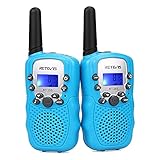 | Retevis RT388 Kids Walkie Talkies, Outdoor Toys for Kids Camping Essentials | 4-12 Year Old Boy Birthday Gift, 22 CH VOX Flashlight Clear Sound, Kids Walkie Talkies 2 Pack for Camping Hiking Adventure | Check Price On Amazon |
 | Cobra RX680 Walkie Talkies (2-Pack), IP54 Water Resistant Design | Rugged & Splashproof Two Way Radios Long Range, 60 Pre-Programmed Channels, Weather Alerts | Check Price On Amazon |
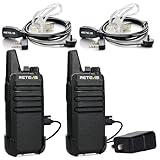 | Retevis RT22 Walkie Talkies Long Range Rechargeable with Earpiece (2 Pack) | Slim & Lightweight 2 Way Radio For Camping & Hiking, Pocket-Friendly Antenna, Ready to Use, 10-Hour Battery, USB-C Charging | Check Price On Amazon |
 | Midland GXT1000VP4 GMRS Two-Way Radios with Headsets, Black, 2 Pack | 50 Channels, 142 Privacy Codes, Up to 36 Mile Long Range, JIS4 Water Resistant, NOAA Weather Alert, Rechargeable NiMH | Check Price On Amazon |
 | Retevis RT628 Walkie Talkies for Kids,Toys Gifts for 6-12 Years Old Boys Girls,Long Range 2 Way Radio 22CH VOX,Birthday Gift,Family Walkie Talkie for Camping Hiking Indoor Outdoor | Check Price On Amazon |