
Aviation radio systems require thoughtful organization to support pilot safety and efficiency. Memory channel organization in 25 kHz systems directly impacts how quickly pilots can access critical frequencies during flight. This guide provides 9 essential best practices for structuring your radio channels, helping you reduce cockpit workload and improve communication reliability.
Understanding 25 kHz Aviation Radio Systems
Before diving into memory channel organization, it’s essential to understand what makes 25 kHz aviation radio systems distinct and how they function in today’s airspace. The 25 kHz standard refers to the spacing between adjacent radio channels in the VHF airband (118.000-136.975 MHz) used for aviation communication.
| Photo | Popular Portable Walkie Talkies | Price |
|---|---|---|
 | SKIWARRIOR Multifunctional Smart Wireless Ski Goggles with Walkie-Talkie, Anti-Fog Zeiss Lens, Music & Call Function (Cylindrical Blue) | Check Price On Amazon |
 | SINORISE Super Mini Walkie Talkies, Two-Way Radios, 3 Pack | Check Price On Amazon |
 | KOSPET Tank M4C Smart Watch Rugged, Dual-Band GPS, 5ATM & IP69K Waterproof | Check Price On Amazon |
 | Retevis RT15 Walkie Talkies 3 Pack, Birthday Gift, Outdoor Adventure Kit | Check Price On Amazon |
 | Rechargeable Walkie Talkies Toys for Kids: DIY Astronaut Walkie Talkies for Boys Christmas Birthday Gifts for 3 4 5 6 7 8 9 10 Boy Walkie Talkie Outdoor Hiking Toy 2 Way Radio Camping Outdoor Game | Check Price On Amazon |
This spacing determines how many discrete communication channels are available within the allocated spectrum. In 25 kHz systems, frequencies are separated by 25 kilohertz (0.025 MHz), creating a predictable pattern like 118.000, 118.025, 118.050, and so on.
The VHF airband was originally divided into 100 kHz channels, then 50 kHz, before reaching the current 25 kHz standard in the 1970s. This evolution responded to growing air traffic and the need for more communication channels. Understanding this technical foundation helps pilots appreciate why proper channel organization matters for efficient operations.
While 25 kHz spacing remains common, many regions are transitioning to narrower 8.33 kHz spacing to create even more channels in congested airspace. This affects how frequencies display on radio equipment and understanding regional migration timelines is important for pilots flying internationally.
Differences Between 25 kHz and 8.33 kHz Systems
The distinction between 25 kHz and 8.33 kHz systems directly impacts how you’ll organize memory channels in your aviation radio. These differences affect everything from display conventions to available channels.
In 25 kHz systems, frequencies increment in steps of 25 kHz (e.g., 118.000, 118.025, 118.050). This creates approximately 760 usable channels across the aviation band. In contrast, 8.33 kHz systems divide each 25 kHz segment into three channels, tripling capacity to about 2,280 channels.
While 25 kHz systems display frequencies ending in .000, .025, .050, and .075, 8.33 kHz systems use more varied endings including .005, .010, .015, and so on. This difference affects how frequencies appear on radio displays and in publications.
Regionally, 8.33 kHz spacing is mandatory in European airspace above FL195, with ongoing implementation at lower altitudes. North America and other regions still primarily use 25 kHz spacing, though plans for transition exist. Understanding these differences helps pilots create organization systems that work across different operating environments.
The Fundamentals of Aviation Radio Memory Channel Organization
Effective memory channel organization follows core principles that apply regardless of your specific radio model or the type of flying you do. Memory channels are programmable storage locations in your radio that let you save frequently used frequencies for quick access without manual tuning.
Most aviation radios offer between 10 and 200 memory channels depending on the model. These channels store not just the frequency value but often additional information like station name, location identifier, or function.
The core purpose of using memory channels is to reduce pilot workload during critical flight phases when attention needs to be divided among multiple tasks. Studies show that pilots typically need to access 5-15 different frequencies during an average cross-country flight.
Four fundamental principles guide effective memory organization:
- Logical grouping by function or location
- Consistent numbering for intuitive recall
- Clear labeling for quick identification
- Priority positioning for critical frequencies
By applying these principles, you create a system that becomes second nature during operations, reducing cognitive load when you need to focus on flying the aircraft.
Benefits of Organized Memory Channels for Pilot Workload
Well-organized memory channels directly impact pilot workload, safety, and communication efficiency in several measurable ways. Research by the FAA Human Factors Division found that pilots using organized channel systems experienced a 32% reduction in time spent managing communications during high-workload flight phases.

The safety benefits are significant. A study of incident reports revealed that communication difficulties contributed to 27% of runway incursions, with pilots citing “frequency management issues” as a common factor. Organized systems mitigate this risk.
Time savings accumulate quickly. Pilots with well-organized channels save an average of 8-12 seconds per frequency change compared to those using manual tuning or disorganized systems. During a typical flight with multiple frequency changes, this adds up to several minutes of additional attention available for other critical tasks.
“I’ve seen students go from fumbling with radios to confident communication simply by implementing a logical channel organization system,” notes Mary Chen, CFII with over 3,000 hours of instruction. “It transforms their situational awareness and overall cockpit management.”
These benefits provide compelling reasons to invest time in creating an organization system that works for your specific flying needs.
Best Practice #1: Categorize Frequencies by Function and Priority
The foundation of effective memory channel organization begins with logical categorization based on both frequency function and operational priority. This dual-classification approach creates intuitive access patterns aligned with how pilots actually use radio communications.
Start by grouping frequencies according to their primary function:
- ATC/Approach/Departure frequencies for traffic management
- Tower frequencies for takeoff and landing clearances
- Ground control for surface movement
- ATIS/AWOS/ASOS for weather and field information
- Emergency frequencies (121.5) for distress calls
- En route frequencies for cross-country navigation
Within these functional categories, apply a secondary prioritization system based on:
- Flight phase requirements (pre-departure through landing)
- Safety-critical communications (emergency, traffic advisory)
- Frequency of use (daily vs. occasional)
For example, in a typical organization system, channels 1-10 might contain emergency and critical ATC frequencies, 11-20 home airport frequencies, 21-40 commonly visited destination frequencies, and 41-60 en route frequencies.
This system works because it matches natural pilot workflows while ensuring critical communications remain easily accessible regardless of the flight phase.
Best Practice #2: Implement Consistent Numbering Conventions
A systematic numbering convention for your memory channels creates an intuitive system that becomes second nature during flight operations. The goal is to create patterns that make logical sense without requiring conscious thought to navigate.
Effective numbering systems typically follow one of these approaches:
- Regional/geographic numbering: Organize by geographic areas (e.g., 1-20 home region, 21-40 adjacent region)
- Function-based numbering: Group by purpose (e.g., 1-10 ATIS/AWOS, 11-30 towers, 31-50 approach)
- Sequential by flight phase: Order channels based on typical usage sequence from preflight to landing
For cross-country flights, a regional approach often works best. For example:
- Channel 1: Emergency (121.5)
- Channels 2-5: Universal/common frequencies (122.75, 122.8, etc.)
- Channels 6-15: Home airport frequencies
- Channels 16-25: Regular destination #1 frequencies
- Channels 26-35: Regular destination #2 frequencies
Always position emergency frequency 121.5 in a memorized, consistent location (typically channel 1 or another easily recalled position). This ensures immediate access during stress situations when cognitive processing is impaired.
Avoid common mistakes like random assignment, constantly changing positions, or mixing numbering conventions within your system.
Best Practice #3: Use Clear, Standardized Naming Conventions
Many aviation radios allow custom naming of memory channels—a powerful feature that, when used effectively, significantly enhances frequency identification and recall. Most panel-mounted radios display 6-8 characters, while some handheld models offer up to 16 characters.
Develop a standardized abbreviation system that maintains consistency across all your channels. Common conventions include:
- Using 3-letter airport identifiers (e.g., “LAX TWR” for Los Angeles Tower)
- Standard service abbreviations (TWR, GND, APP, DEP, ATIS)
- Regional identifiers for area frequencies (SE CTR for Southeast Center)
Clear naming creates immediate recognition. Compare these examples:
- Poor: “LA APR” (ambiguous, could be multiple airports)
- Better: “LAX APP” (clear airport identifier)
- Best: “LAX AP W” (specifies LAX Approach West)
Panel-mounted radios require more abbreviated conventions due to character limitations. For example, “KDFW-T” might represent Dallas/Fort Worth Tower, while handheld units might display “DFW TOWER” due to greater character allowance.
Whatever system you choose, maintain consistency across all frequencies to reduce cognitive load during operations.
Best Practice #4: Organize Channels by Geographic Region
For pilots who regularly fly across multiple regions or airspaces, geographic organization of memory channels creates intuitive access to relevant frequencies throughout your journey. This approach minimizes confusion and search time when transitioning between areas.
Several effective methods for regional channel organization include:
- Creating regional banks or groups (Northeast channels 1-20, Southeast 21-40, etc.)
- Home base + destination approach (home airport 1-10, common destination A 11-20, etc.)
- Route-specific organization for regular flights (organizing channels sequentially along common routes)
Consider this practical example for a pilot based in Chicago who regularly flies to Detroit and Minneapolis:
- Channels 1-5: Universal frequencies (121.5, 122.75, etc.)
- Channels 6-15: Chicago area (ORD, MDW, PWK, etc.)
- Channels 16-25: Detroit area (DTW, YIP, etc.)
- Channels 26-35: Minneapolis area (MSP, FCM, etc.)
- Channels 36-50: En route frequencies between these locations
When transitioning between regions, this organization allows quick access to relevant frequencies by simply moving to the appropriate channel bank. For pilots using radios with scanning capabilities, regional grouping also enables scanning only relevant frequencies in the current operating area.
Best Practice #5: Structure Channels by Flight Phase
Structuring memory channels according to the typical progression of flight phases creates a natural workflow that aligns with your operational needs. This approach is particularly valuable for pilots who fly similar routes or mission profiles repeatedly.
A comprehensive flight-phase categorization system includes:
- Pre-departure frequencies: ATIS, Clearance Delivery, Ground
- Departure frequencies: Tower, Departure Control
- En route frequencies: Center, Flight Service, Weather
- Approach frequencies: ATIS (destination), Approach Control
- Arrival frequencies: Tower, Ground (destination)
- Emergency frequencies: 121.5, local rescue coordination
For example, a typical IFR flight from KPDK to KATL might use this sequence:
- KPDK ATIS (Channel 11)
- KPDK Ground (Channel 12)
- KPDK Tower (Channel 13)
- Atlanta Departure (Channel 14)
- Atlanta Center (Channel 15)
- Atlanta Approach (Channel 16)
- KATL ATIS (Channel 17)
- KATL Tower (Channel 18)
- KATL Ground (Channel 19)
Studies show this organization reduces frequency selection time by 45% compared to unstructured systems, as it follows the natural progression of communication needs. It’s particularly beneficial for IFR operations where frequency changes occur at predictable points.
VFR pilots benefit from a similar structure but may need more flexibility for unplanned diversions or route changes.
Best Practice #6: Master Efficient Programming Techniques
Even the best organization system is only as good as your ability to efficiently program and update your radio’s memory channels. Mastering these techniques saves time during initial setup and subsequent modifications.
Most aviation radios follow this general programming sequence:
- Enter programming or memory mode (typically via a dedicated button)
- Select the desired channel number
- Enter the frequency using keypad or tuning knob
- Enter the name/label (if supported)
- Save the entry
- Repeat for additional channels
Time-saving techniques include:
- Program in batches by preparing a complete channel list before starting
- Use PC programming software for radios that support it
- Transfer settings between identical radio models via cloning
- Take advantage of auto-increment features for sequential programming
Always verify programmed frequencies by performing a radio check or comparing against official sources. Programming errors can create dangerous communication failures.
Backup your channel configurations either electronically (for radios with PC interfaces) or manually by recording them in a logbook or spreadsheet. This prevents having to reprogram everything after battery failures or radio resets.
Programming Guides for Common Aviation Radio Models
Different aviation radio models use varying approaches to memory programming—understanding your specific model’s methodology is essential. Each manufacturer implements slightly different interfaces and programming sequences.
| Radio Model | Programming Sequence | Max Channels | Special Features |
|---|---|---|---|
| Garmin GTR 225 | MENU → Memory → Store → Enter data → ENTER | 15 | Auto-increment channel option |
| Icom IC-A220 | Press Memory → Select CH → Set frequency → Hold Memory | 20 | 6-character alphanumeric display |
| Yaesu FTA-550 | MENU → Memory → SAVE → Enter data → SAVE | 200 | Group memory banks option |
| King KY 196A | Press STORE → Select channel → Set frequency → Press STORE | 10 | No alphanumeric labeling |
Common programming pitfalls include:
- Garmin: Forgetting to press ENTER to confirm (data loss)
- Icom: Insufficient button hold time (partial programming)
- Yaesu: Confusion between temporary and permanent storage
- King: Accidental overwriting of existing channels
For detailed programming instructions, always consult your specific radio’s operating manual, as sequences can vary even between models from the same manufacturer.
Best Practice #7: Implement Regular Update and Maintenance Protocols
Aviation frequencies occasionally change, requiring a systematic approach to maintaining and updating your memory channel organization. Establishing regular maintenance protocols ensures your system remains accurate and reliable.
Implement this recommended frequency review schedule:
- Before cross-country flights: Verify destination frequencies
- Monthly: Check home base and commonly used frequencies
- Bi-annually: Complete system review and reorganization
- After chart cycle updates: Review for any published changes
Reliable sources for updated frequency information include:
- Current Airport/Facility Directory (A/FD)
- Digital chart updates (ForeFlight, Garmin Pilot, etc.)
- NOTAMS for temporary changes
- Official airport websites
Document your channel system in a spreadsheet or logbook with columns for channel number, frequency, identifier, purpose, and last verification date. This external record serves as both backup and audit trail.
For pilots using multiple radios or devices, establish a synchronization protocol to ensure consistency across all equipment. This prevents confusion when switching between panel-mounted and handheld radios.
Best Practice #8: Optimize for Emergency and Priority Access
In critical situations, immediate access to emergency frequencies can make a significant difference—your memory organization should prioritize these channels above all else. Research shows that stress significantly impairs cognitive function and memory recall, making intuitive emergency access essential.
Always position emergency frequency 121.5 in a standardized, easily remembered location—typically channel 1. Some pilots use channel 911 as an alternative memorable position. Whatever position you choose, it should be consistent across all your radios.
Consider creating an “emergency bank” containing:
- 121.5 MHz: International air emergency
- 122.9 MHz: Multicom (uncontrolled field operations)
- Local emergency services frequencies
- Nearest approach control facilities
- Flight service stations
Configure your radio’s scanning function to always include emergency frequencies. This maintains monitoring capability even while communicating on other channels.
“In an actual emergency, you won’t have time to search for frequencies. Having 121.5 in a consistent, muscle-memory location has proven critical in multiple in-flight incidents I’ve investigated,” notes Robert Johnson, aviation safety investigator with over 200 incident investigations.
Understanding adjacent channel problems is also crucial for emergency communications, as interference can compromise critical messages during emergencies.
Best Practice #9: Integrate with Electronic Flight Bags and Other Systems
Modern cockpits benefit from integrating radio memory organization with other digital tools—creating a synchronized system that enhances overall communication efficiency. This integration reduces duplication of effort and ensures consistency across platforms.
Several methods for synchronizing frequencies with EFBs include:
- Direct integration via compatible apps (RadioApp, FreqSync)
- Manual synchronization using shared spreadsheets or checklists
- Cloud-based frequency databases for team/fleet operations
- QR code generation for quick frequency imports
Compatible apps and software include ForeFlight’s frequency database, Garmin Pilot’s radio integration, and dedicated tools like RadioLog Pro. Many of these applications allow for exporting frequency lists that can be printed as cockpit references.
A practical integration workflow might look like this:
- Update master frequency list in EFB
- Export to radio programming software (if compatible)
- Generate printed backup for kneeboard
- Synchronize handheld radio as backup
Integration limitations include varying support between radio manufacturers, potential compatibility issues with older equipment, and the need for regular synchronization checks to ensure all systems remain current.
Future Trends in Aviation Radio Technology
Understanding emerging technologies in aviation communication helps prepare your memory organization system for future developments. Several key trends are reshaping how pilots manage radio communications.
Notable developments on the horizon include:
- Touch-screen radio interfaces with graphical frequency management
- Voice recognition for hands-free frequency selection
- GPS-aware radios that suggest frequencies based on position
- Cloud-synced frequency databases updated in real-time
- Complete 8.33 kHz implementation in North America by 2028
- Integration of voice and digital data communications
“We’re moving toward systems that automate much of the frequency management process, allowing pilots to focus more attention on flying the aircraft,” explains Dr. Jennifer Liu, avionics researcher at Embry-Riddle Aeronautical University. “The future radio will anticipate your needs based on flight phase and location.”
These advancements will simplify frequency management but still require thoughtful organization principles to maximize their effectiveness. ICAO Annex 10 compliance will continue driving standardization of these communication systems internationally.
Customizing These Best Practices for Your Flying Profile
The most effective memory channel organization system is one tailored to your specific flying habits, aircraft, and typical missions. Different flying profiles require different emphasis within the organization framework.
Consider these customization factors:
- Flight frequency and regularity (daily vs. occasional)
- Typical routes and destinations (local vs. cross-country)
- Aircraft equipment (single vs. multi-radio)
- VFR vs. IFR operations
- Special mission requirements (search/rescue, aerial photography, etc.)
For example:
- Flight instructors benefit from organizing by training airports, with special emphasis on student-friendly frequencies and training areas
- Business pilots flying regular routes should prioritize route-based organization with rapid access to alternate airport frequencies
- Weekend recreational pilots might focus on local area frequencies with simplified organization
- International operations require region-specific banks addressing different spacing standards and language considerations
To determine your optimal approach:
- Identify your most common flight profile (80% of your flying)
- List all frequencies needed for these typical operations
- Group by function, priority, and geographic relevance
- Apply consistent numbering within each group
- Test the system on several flights and refine as needed
Preventing interference through adjacent channel rejection becomes more important in complex radio environments where multiple frequencies are in use.
Implement your new system gradually, starting with the most critical frequencies and expanding as you become comfortable with the organization. Document your approach for consistency and to aid memory during the transition period.
Conclusion: Implementing Your Memory Channel Organization System
Effective memory channel organization is not a one-time setup but an evolving system that grows with your experience and adapts to your needs. The nine best practices outlined in this guide provide a framework for creating a personalized system that enhances safety and reduces workload.
If you’re starting from scratch, focus first on categorizing by function and implementing consistent numbering. Then progress to standardized naming and geographic organization. The more advanced practices like integration with other systems can follow as you refine your approach.
Remember that even small improvements yield significant benefits. Pilots who implement structured channel organization report greater confidence in radio communications, reduced workload during critical flight phases, and enhanced situational awareness.
Take time this week to evaluate your current system against these best practices. Identify one area for improvement and implement it before your next flight. Share your organization techniques with fellow pilots—the aviation community benefits from collective knowledge on these practical matters.
Continuous refinement of your memory channel organization will pay dividends in safety and efficiency throughout your flying career.
| Photo | TOP RATED WALKIE TALKIES | Price |
|---|---|---|
 | Retevis RT628 Kids Walkie Talkies, Toys Gifts for 4-12 Year Old Girl Boy | Check Price On Amazon |
 | Cobra ACXT545 Weather-Resistant Walkie Talkies, Rechargeable, 22 Channels | Check Price On Amazon |
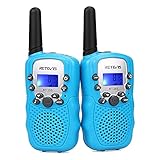 | Retevis RT388 Kids Walkie Talkies, Outdoor Toys for Kids Camping Essentials | Check Price On Amazon |
 | Cobra RX680 Walkie Talkies (2-Pack), IP54 Water Resistant Design | Check Price On Amazon |
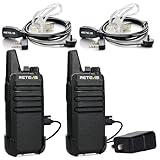 | Retevis RT22 Walkie Talkies Long Range Rechargeable with Earpiece (2 Pack) | Check Price On Amazon |
 | Midland GXT1000VP4 GMRS Two-Way Radios with Headsets, Black, 2 Pack | Check Price On Amazon |
 | Retevis RT628 Walkie Talkies for Kids,Toys Gifts for 6-12 Years Old Boys Girls,Long Range 2 Way Radio 22CH VOX,Birthday Gift,Family Walkie Talkie for Camping Hiking Indoor Outdoor | Check Price On Amazon |