
Power supply filtering is critical for clear aviation radio communications. It eliminates electrical noise that interferes with vital transmissions during flight. This guide will show you how to identify, troubleshoot, and permanently fix radio interference problems in your aircraft using proven filtering techniques that work for both older and modern avionics systems.
Understanding Aviation Radio Interference: Sources and Symptoms
Before implementing filtering solutions, pilots and technicians must understand what causes power supply interference in aircraft radio systems and how to recognize its distinctive symptoms. Radio interference manifests as unwanted noise that disrupts clear communications and navigation signals. This interference can compromise flight safety by making transmissions difficult or impossible to understand.
| Photo | Popular Portable Walkie Talkies | Price |
|---|---|---|
 | SKIWARRIOR Multifunctional Smart Wireless Ski Goggles with Walkie-Talkie, Anti-Fog Zeiss Lens, Music & Call Function (Cylindrical Blue) | Check Price On Amazon |
 | SINORISE Super Mini Walkie Talkies, Two-Way Radios, 3 Pack | Check Price On Amazon |
 | KOSPET Tank M4C Smart Watch Rugged, Dual-Band GPS, 5ATM & IP69K Waterproof | Check Price On Amazon |
 | Retevis RT15 Walkie Talkies 3 Pack, Birthday Gift, Outdoor Adventure Kit | Check Price On Amazon |
 | Rechargeable Walkie Talkies Toys for Kids: DIY Astronaut Walkie Talkies for Boys Christmas Birthday Gifts for 3 4 5 6 7 8 9 10 Boy Walkie Talkie Outdoor Hiking Toy 2 Way Radio Camping Outdoor Game | Check Price On Amazon |
Power supply interference typically produces several recognizable patterns:
- Alternator whine: A high-pitched noise that changes with engine RPM
- Switching noise: Sharp clicking or popping sounds when electrical components turn on/off
- Static or hash: Constant background noise that masks weak signals
- Digital noise: Buzzing or irregular patterns from digital equipment
These interference patterns most commonly affect VHF communication radios (118-137 MHz) but can also impact navigation radios, ADS-B receivers, and other communication equipment. The specific frequency ranges affected often help identify the source.
Understanding the difference between power supply noise and other types of interference is essential. Power supply noise typically has a direct relationship with electrical system operation, while external interference (like atmospheric noise) doesn’t change with aircraft electrical load or engine operation.
Common Sources of Power Supply Interference in Aircraft
Aircraft electrical systems contain multiple potential sources of radio interference, each with distinctive characteristics that help in diagnosis. Identifying these sources is the first step toward effective filtering.
- Alternators/generators: The most common source of interference, producing a whine that varies with engine RPM
- Voltage regulators: Create switching noise as they maintain voltage levels
- LED lighting systems: Can generate high-frequency noise from internal switching circuits
- Inverters and power converters: Produce noise when converting between AC and DC power
- Digital avionics systems: Generate noise from internal clocks and processors
- Switch-mode power supplies: Create high-frequency interference during voltage conversion
- USB charging systems: Aftermarket chargers often lack proper filtering
- Aging or deteriorating wiring: Corroded connections act as tiny radio transmitters
Modern aircraft systems present additional challenges compared to older designs. Glass cockpit installations, integrated digital equipment that requires bandwidth optimization, and tablet/EFB charging systems introduce new potential interference sources that weren’t present in traditional analog aircraft.
How to Recognize Different Types of Radio Interference
Each interference source produces a characteristic signature that helps pinpoint its origin. Learning to identify these patterns saves considerable troubleshooting time.
| Interference Type | Audio Characteristics | Typical Causes | First Steps |
|---|---|---|---|
| Alternator Whine | Pitched noise that changes with RPM | Poor alternator filtering, ground issues | Check ground connections, install filter capacitor |
| Switching Clicks | Sharp clicks when devices turn on/off | Solenoids, relays, switches | Install suppression diodes across switching devices |
| Digital Hash | Buzzing or pulsing noise | Computers, GPS units, displays | Improve shielding, add ferrite suppressors |
| Static/Constant Noise | Steady background hiss | Poor power filtering, ground loops | Add power line filters, check ground system |
Pilots often describe interference using terms like “whine that changes with RPM” or “popping when I turn on the landing light.” These descriptions are valuable diagnostic clues. The interference pattern usually changes with aircraft operations in predictable ways that help identify the source.
Systematic Diagnosis: Locating the Source of Power Supply Interference
Finding the exact source of radio interference requires a methodical approach that narrows down possibilities without specialized equipment. A systematic process eliminates guesswork and prevents wasted time and money on unnecessary components.
Follow this diagnostic flowchart to isolate interference sources:
- Engine-off baseline test: Listen to radio with all electrical systems off
- Power-on sequential testing: Turn on systems one at a time to identify noise sources
- Engine-on testing: Start engine and note any new interference
- Load variation test: Vary electrical loads and note interference changes
- Bus isolation: Isolate individual electrical buses if possible
- Component disconnection: Systematically disconnect components to identify sources
This process requires patience but delivers precise results. Record your findings at each step, noting which actions increase or decrease interference. This documentation becomes invaluable when selecting filtering solutions.
For complex aircraft with integrated systems, you may need to work with your avionics shop. However, many interference sources can be identified with basic tools and systematic testing, saving significant maintenance costs.
Essential Diagnostic Tools for Radio Interference
While professional avionics shops use specialized equipment, there are several accessible tools that help identify interference sources. These tools make the diagnostic process more efficient without requiring expensive test equipment.
- Multimeter: For checking voltage levels and continuity
- Headphones: For listening to radio audio while making changes
- Clip leads: For temporary connections during testing
- Portable audio recorder: For documenting interference patterns
- Basic hand tools: For accessing electrical components
- Smartphone spectrum analyzer app: Basic frequency analysis (limited but helpful)
You don’t need expensive oscilloscopes or spectrum analyzers for initial diagnosis. Most interference sources can be identified using careful observation and the simple tools listed above. For complex issues, these initial findings help avionics technicians target their advanced testing more efficiently.

Step-by-Step Troubleshooting Procedure
Follow this systematic process to isolate the exact source of power supply interference in your aircraft. This procedure moves from simple to complex tests, minimizing the time and effort required.
- Document baseline interference: Listen and record normal interference patterns
- Perform master switch test: Note any noise that appears with master on, engine off
- Conduct sequential bus testing: Activate one bus at a time if your aircraft has multiple buses
- Execute component isolation: Turn on individual components one at a time
- Complete engine running test: Note how interference changes with different RPM settings
- Perform load variation test: Increase and decrease electrical loads while listening
- Check ground system integrity: Look for loose or corroded ground connections
- Verify antenna system: Ensure antenna connections are tight and corrosion-free
Safety precautions are essential during testing. Never disconnect the alternator with the engine running. Always follow proper procedures when working with aircraft electrical systems. Document all findings, including which components increase or decrease interference and under what conditions.
This systematic approach helps identify whether you’re dealing with alternator noise, digital interference, ground loops, or other issues. Each type requires different filtering approaches.
Power Supply Filtering: Eliminating Radio Interference
Once you’ve identified the interference source, choosing the right filtering solution requires understanding the components available and their appropriate applications. Different interference types require specific filtering techniques, and combining multiple approaches often delivers the best results.
Power supply filtering functions by blocking, bypassing, or attenuating unwanted electrical noise while allowing desired power to flow unimpeded. The key is matching the right filtering component to the specific interference type and frequency range.
Major filtering component types include:
- Capacitors: Bypass high-frequency noise to ground
- Inductors: Block high-frequency noise while passing DC power
- Ferrite suppressors: Absorb and dissipate high-frequency energy
- RF chokes: Block specific frequency ranges
- LC filters: Combined inductors and capacitors for superior filtering
- Linear voltage regulators: Provide cleaner power than switching types
Component selection should match your specific interference type. High-quality components from brands like Sprague, Cornell Dubilier, or Vishay generally provide better performance and reliability than generic parts. The FAA recommends using components rated for aviation use whenever possible.
Installation location is critical for effective filtering. Place filters as close as possible to either the noise source or the affected equipment, depending on the specific situation. Always follow appropriate aviation compliance standards when modifying electrical systems.
Understanding Filtering Components and Their Functions
Each filtering component serves a specific purpose in eliminating power supply interference, working together as a system. Understanding these components helps you select the right solution for your specific interference problem.
Capacitors act as shortcuts for high-frequency noise, redirecting it to ground instead of allowing it to travel through the system. They come in several types:
- Ceramic capacitors: Good for high frequencies (digital noise)
- Electrolytic capacitors: Better for low frequencies (alternator whine)
- Tantalum capacitors: Excellent all-around performance but more expensive
Inductors resist changes in current flow, effectively blocking high-frequency noise while allowing steady DC power to pass through. They’re particularly effective for alternator noise and digital switching noise.
Ferrite suppressors absorb RF energy and convert it to negligible heat. They’re easy to install (often as snap-on cores) and work well for digital interference on power or signal lines.
These components work best in combination. For example, a capacitor-input filter uses capacitors to bypass noise to ground, while an inductor-input filter uses an inductor to block noise from traveling down the line. LC filters combine both approaches for superior performance.
Component ratings must match your aircraft’s electrical system. Voltage ratings should exceed maximum system voltage by at least 50%. Current ratings for inductors must exceed maximum circuit current. Temperature ratings should accommodate the extreme conditions found in aircraft operations.
Filtering Solutions by Interference Type
Different interference types require specific filtering approaches for optimal results. This solution matrix matches common problems with effective solutions.
| Interference Type | Primary Solution | Alternative Solution | Complexity | Cost |
|---|---|---|---|---|
| Alternator Whine | Capacitor filter at alternator output (47-100 μF) | Three-stage LC filter | Low-Medium | $-$$ |
| Digital Switching Noise | Ferrite beads on power leads | LC filter with RF bypass capacitors | Low | $ |
| LED Lighting Noise | Bypass capacitors (0.1 μF ceramic) | Dedicated lighting filters | Low | $ |
| USB/Charging Noise | Filtered USB adapters | Ferrite common-mode chokes | Low | $ |
| Ground Loop Issues | Single-point grounding revision | Ground isolation filters | High | $$$ |
For alternator whine, which is the most common interference type, a capacitor filter at the alternator output provides excellent results with minimal cost and complexity. More persistent issues may require multi-stage filtering.
Digital noise from modern avionics often requires ferrite suppressors on power and data lines. These are non-intrusive and can be installed without cutting wires in many cases.
LED lighting systems benefit from small ceramic bypass capacitors installed at each light fixture or at the control module. This prevents high-frequency switching noise from propagating through the electrical system.
DIY Installation: Step-by-Step Filter Implementation Guide
Many filtering solutions can be implemented without specialized equipment, saving costs while effectively eliminating interference. Following proper installation techniques ensures both safety and performance.
Before beginning any installation:
- Consult your aircraft’s maintenance manual
- Ensure you have appropriate authorization for the modification
- Disconnect aircraft battery before working on electrical systems
- Document existing wiring before making changes
- Use aviation-grade components and wire where required
Tools and materials needed for basic filter installation:
- Wire strippers and crimpers
- Heat shrink tubing
- Soldering iron and lead-free solder
- Multimeter
- Basic hand tools
- Terminal connectors
- Zip ties for securing components
The installation location significantly impacts filter effectiveness. Install filters as close as possible to either the noise source (for emission filtering) or the sensitive equipment (for susceptibility filtering). Proper mounting prevents vibration damage and ensures components stay secure during flight operations.
After installation, thoroughly test all affected systems to ensure both proper function and interference reduction. Document all modifications in the aircraft logbook according to FAA requirements for system integration.
Basic Filter Installation for Alternator Noise
Alternator whine is the most common interference type in aircraft and can typically be resolved with a properly installed filter. This basic installation addresses the majority of alternator-related interference problems.
Parts needed:
- 47-100 μF electrolytic capacitor (50V or higher rating)
- Ring terminals sized for your alternator output
- 12-16 AWG wire (aircraft grade)
- Heat shrink tubing
- Optional: 10-100 μH inductor for persistent cases
Installation steps:
- Disconnect aircraft battery
- Locate alternator output terminal (B+ or similar)
- Install capacitor positive lead to alternator output terminal
- Connect capacitor negative lead to a clean ground point
- Secure capacitor to prevent movement
- Cover all connections with heat shrink tubing
- Reconnect battery and test
For persistent alternator noise, add an inductor in series with the alternator output before the capacitor. This creates a simple LC filter that provides more effective filtering across a wider frequency range.
Verify your installation by listening to the radio with the engine running at various RPM settings. The alternator whine should be significantly reduced or eliminated entirely. If noise persists, check ground connections and consider adding filtering at the radio power input as well.
Advanced Filtering for Complex Interference Problems
When basic filtering doesn’t resolve the issue, these advanced techniques target persistent or complex interference patterns. These approaches require more technical knowledge but deliver superior results for challenging interference problems.
Multi-stage filtering combines several filter types for comprehensive protection:
- Input capacitor: Provides initial high-frequency bypassing
- Series inductor: Blocks remaining noise from progressing
- Output capacitor: Captures any remaining noise
Bus isolation techniques prevent noise from propagating between systems:
- Separate avionics bus from main electrical bus
- Use diode isolation to prevent backflow
- Install dedicated filters at bus interconnection points
Ground loop elimination is critical for persistent interference:
- Implement single-point grounding for avionics
- Use ground bus bars for clean connections
- Ensure low-impedance ground paths
For complex digital systems, consider both common-mode and differential-mode filtering. Common-mode filters (like ferrite cores that encircle multiple wires) address noise that appears equally on all conductors. Differential-mode filters target noise that appears between conductors.
In extreme cases, consider using isolation transformers or optical isolators to completely separate electrical systems. These provide the highest level of isolation but require more complex installation.
Verification and Testing: Ensuring Your Filtering Solution Works
After installing filtering components, proper testing confirms effectiveness and ensures the solution is complete. Thorough verification prevents the frustration of discovering persistent interference during critical flight operations.
Begin with ground testing under various operating conditions:
- Test with engine off, master on
- Test with engine running at idle
- Test with engine at various RPM settings
- Test with different electrical loads activated
- Test radio reception on various frequencies
- Test radio transmission (with appropriate permissions)
Document results comparing pre-filter and post-filter performance. Use both subjective assessment (listening quality) and objective measurements when possible. Record specific test conditions so you can repeat tests if needed.
If interference persists, systematically revisit your diagnosis and filtering approach. Common reasons for incomplete filtering include:
- Incorrect diagnosis of interference source
- Inadequate component values
- Poor installation (especially grounding)
- Multiple interference sources requiring different solutions
Long-term monitoring is essential. Some interference problems appear only under specific conditions or after components warm up. Schedule follow-up checks after several flight hours to ensure the solution remains effective.
Flight Testing Protocol for Filter Verification
A systematic flight test confirms your filtering solution works under actual operating conditions. This protocol ensures all potential interference scenarios are evaluated.
Pre-flight preparation:
- Complete all ground testing successfully
- Ensure all installations are secure
- Prepare documentation method (voice recorder, notepad)
- Plan test points for different power settings
- Brief other flight crew on testing procedure
In-flight testing sequence:
- Check communications clarity during engine start
- Evaluate radio performance during taxi
- Test at different power settings during flight
- Activate various electrical systems sequentially
- Test both transmit and receive functions
- Check multiple frequencies if applicable
- Evaluate performance during approach and landing
Document communications quality at each test point using a standardized scale (1-5 for clarity). Note any remaining interference and the specific conditions under which it occurs.
If interference reappears during flight testing, document the exact conditions for follow-up troubleshooting. The flight environment sometimes reveals issues not apparent during ground testing, particularly those related to vibration or certain equipment combinations.
Preventative Maintenance: Keeping Your Radios Interference-Free
Preventing interference is easier than fixing it later, and regular maintenance keeps your communication systems performing optimally. A proactive approach saves time and ensures reliable communications when you need them most.
Implement these preventative practices:
- Regular inspection: Check all filter components for security and condition
- Connection maintenance: Ensure all electrical connections remain tight and corrosion-free
- Ground system verification: Test ground continuity annually
- Filter component testing: Verify capacitor function with multimeter
- Documentation review: Maintain complete records of all electrical modifications
Watch for early warning signs of developing problems:
- Intermittent interference that wasn’t present before
- Changes in interference patterns or intensity
- New interference after installing equipment
- Degraded radio performance in certain conditions
Component aging affects filter performance over time. Electrolytic capacitors typically have a 5-10 year useful life in aircraft environments. Schedule replacement of critical filtering components before they fail, especially in aircraft operating in harsh environments.
When upgrading avionics, review and update your filtering solutions. New equipment may require different filtering approaches, and radio upgrade decisions should include consideration of potential interference issues.
Annual Inspection Checklist for Radio Systems
Include these specific checks in your annual inspection to catch potential interference issues before they affect communications. This proactive approach maintains optimal radio performance year-round.
Electrical system inspection checklist:
- Check all ground connections for tightness and corrosion
- Inspect filter capacitors for bulging, leakage, or discoloration
- Verify all wire routing maintains separation between power and signal lines
- Test voltage regulator output for proper voltage and stability
- Inspect alternator brushes and slip rings if applicable
- Check all shielded cable connections for integrity
- Verify antenna connections and condition
Document your inspection results, noting any components showing signs of deterioration. Replace components proactively when they show visual signs of aging rather than waiting for failure.
Consider replacement rather than repair when:
- Capacitors show any physical deformation
- Wire insulation shows cracking or brittleness
- Connectors show corrosion that cannot be completely removed
- Components have exceeded their recommended service life
Schedule a professional avionics inspection every 2-3 years to complement your own annual checks. Avionics technicians can perform more comprehensive testing and identify subtle issues before they become problems.
Special Considerations for Modern Aircraft Systems
Modern avionics and electrical systems present unique interference challenges that require specific approaches. Digital systems are both more sensitive to interference and more likely to generate it, creating complex interactions.
Glass cockpit installations require special attention:
- Digital displays are sensitive to power fluctuations
- Data buses can both generate and conduct interference
- Integrated systems share power and ground connections
- Software updates may change system behavior
ADS-B systems operate with very precise timing requirements, making them particularly sensitive to interference. Ensure these systems have clean, filtered power and proper grounding. Even minor interference can reduce ADS-B range and reliability.
Portable device integration presents growing challenges. Tablet mounts and handheld radio placement should consider both interference generation and susceptibility. USB charging systems in particular require proper filtering to prevent noise from entering the aircraft electrical system.
LED lighting retrofits commonly introduce interference. Ensure any LED replacements include proper internal filtering or add external filters at installation. Some low-cost LED replacements lack adequate filtering and can seriously degrade radio performance.
Composite aircraft require special grounding considerations since they lack the inherent electrical conductivity of metal airframes. Create intentional grounding systems with copper foil or wire mesh in critical areas to maintain proper RF shielding and returns.
Digital Systems and EMI Protection
Digital avionics systems both generate and are susceptible to different types of interference than analog systems. Understanding these differences is essential for effective filtering in modern aircraft.
Digital noise characteristics include:
- Higher frequency components (often in MHz range)
- Sharp edges that contain harmonics across wide spectrum
- Clock-synchronized patterns
- Potential for conducted and radiated emissions
Protection strategies for digital systems:
- Use multi-stage filtering with components rated for high frequencies
- Implement proper shielding techniques for all digital cables
- Maintain separation between digital and analog systems
- Use ferrite suppressors on both power and data cables
- Consider optical isolation for highly sensitive connections
When integrating analog and digital systems, create clear boundaries between them with appropriate interface filtering. Digital-to-analog converters are particularly vulnerable points that benefit from extra filtering attention.
For EFIS and engine monitoring systems, use separate power filtering for sensor inputs and display units. This prevents sensor noise from affecting displays and vice versa.
Future-proofing your installation means implementing more filtering than currently needed. As avionics continue to advance, power quality requirements typically become more stringent. Building in extra filtering capacity now prevents problems with future upgrades.
Regulatory Compliance and Documentation
Any modifications to aircraft electrical systems must comply with applicable regulations and be properly documented. Proper documentation protects both safety and aircraft value.
For certified aircraft, filtering installations must comply with:
- FAA Advisory Circular 43.13-1B for acceptable methods and practices
- Type Certificate Data Sheet (TCDS) requirements
- Manufacturer’s Service Bulletins and Instructions for Continued Airworthiness
- Any applicable Airworthiness Directives
Documentation requirements vary based on the modification scope:
- Minor alterations: Logbook entry with detailed description
- Major alterations: FAA Form 337 plus logbook entry
A proper logbook entry should include:
- Detailed description of work performed
- Reference to approved data or AC 43.13-1B
- List of components installed with part numbers
- Return to service statement
- Mechanic’s signature and certificate number
For experimental aircraft, documentation requirements are less stringent but equally important for safety and future maintenance. Maintain detailed records of all modifications, including wiring diagrams and component specifications.
International operators should consult local aviation authorities, as requirements vary by country. Most follow similar principles to FAA regulations but may have specific documentation formats or approval processes.
Case Studies: Real-World Interference Solutions
These real-world examples demonstrate successful diagnosis and resolution of common interference problems. Each case illustrates the systematic approach to diagnosis, solution selection, and implementation.
Case Study 1: Cessna 172 with Alternator Whine
Problem: Pilot reported increasing alternator whine in COM radio that changed with engine RPM. Interference made communications difficult above 2300 RPM.
Diagnosis: Sequential testing confirmed alternator as source. Inspection revealed corroded ground connection at alternator and aging filter capacitor.
Solution: Cleaned and secured ground connection, installed new 47μF capacitor at alternator output, added ferrite bead on radio power line.
Result: Complete elimination of alternator whine throughout RPM range. Total cost: $35 in parts, 2 hours labor.
Lesson: Always check ground connections first, as they’re often the primary cause of alternator noise.
Case Study 2: Piper Arrow with LED Lighting Interference
Problem: After LED nav light installation, pilot reported buzzing interference in COM1 during night operations.
Diagnosis: Interference occurred only with nav lights on. Problem traced to unfiltered LED controller.
Solution: Installed 0.1μF ceramic capacitors across LED power inputs and 470μF electrolytic capacitor at controller power input. Added ferrite chokes on power leads.
Result: Complete elimination of interference. Total cost: $28 in parts, 1.5 hours labor.
Lesson: Aftermarket LED installations often require additional filtering beyond what’s included with the kit.
Case Study 3: Bonanza with Glass Cockpit Upgrade Interference
Problem: After glass cockpit upgrade, owner reported intermittent static and digital hash in audio panel during certain operations.
Diagnosis: Systematic testing revealed interference came from AHRS unit power supply and data bus.
Solution: Implemented three-stage power filtering for AHRS, improved shielding on data cables, added ferrite cores on all interconnect cables, revised grounding system to single-point ground for avionics.
Result: Elimination of 95% of interference. Remaining 5% addressed through audio panel adjustments. Total cost: $175 in parts, 6 hours labor.
Lesson: Digital system upgrades often require comprehensive filtering and grounding revision rather than simple component-level filters.
These cases demonstrate that most interference problems can be resolved with systematic diagnosis and appropriate filtering solutions. The investment in proper filtering pays dividends in improved communication clarity and reduced pilot workload.
Advanced Resources and When to Seek Professional Help
While many interference issues can be resolved independently, some situations require professional assistance or specialized resources. Knowing when to seek help saves time and prevents potential damage to sensitive avionics.
Consider professional assistance when:
- Interference persists after basic filtering attempts
- Multiple interference sources interact in complex ways
- Integrated digital systems are involved
- Modifications might affect certification status
- Special test equipment is required for diagnosis
Finding qualified avionics technicians:
- Look for technicians with FCC GROL certification
- Check for manufacturer-specific training credentials
- Ask about experience with similar interference issues
- Request references from other aircraft owners
Professional diagnosis typically costs $95-175 per hour, with most simple issues resolved in 1-3 hours. Complex interference problems involving multiple systems may require 5-10 hours of professional troubleshooting.
For those wanting to learn more, these technical resources provide valuable information:
- FAA Advisory Circular 43.13-1B (Acceptable Methods, Techniques, and Practices)
- RTCA DO-160 (Environmental Conditions and Test Procedures for Airborne Equipment)
- Avionics manufacturer installation manuals
- Aircraft electronics association technical publications
Online communities like aviation frequency forums can provide guidance for specific aircraft models and issues. These communities often have experienced members who have solved similar problems.
Conclusion: Ensuring Clear Communications Through Proper Filtering
Eliminating power supply interference is critical for reliable aircraft communications and requires a systematic approach to diagnosis and filtering. The methods outlined in this guide work for aircraft from simple trainers to complex glass cockpit installations.
Key principles to remember:
- Always diagnose before implementing solutions
- Use the right filtering components for specific interference types
- Install filters properly with attention to grounding
- Verify effectiveness through thorough testing
- Document all modifications properly
- Maintain filtering systems through regular inspection
The safety implications of clear communications cannot be overstated. Radio interference isn’t merely an annoyance; it can compromise safety during critical flight phases when clear communication is essential.
By following the systematic approach outlined in this guide, you can identify, eliminate, and prevent power supply interference in your aircraft communications systems. The result is clearer communications, reduced pilot workload, and enhanced safety for every flight.
| Photo | TOP RATED WALKIE TALKIES | Price |
|---|---|---|
 | Retevis RT628 Kids Walkie Talkies, Toys Gifts for 4-12 Year Old Girl Boy | Check Price On Amazon |
 | Cobra ACXT545 Weather-Resistant Walkie Talkies, Rechargeable, 22 Channels | Check Price On Amazon |
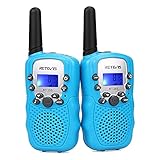 | Retevis RT388 Kids Walkie Talkies, Outdoor Toys for Kids Camping Essentials | Check Price On Amazon |
 | Cobra RX680 Walkie Talkies (2-Pack), IP54 Water Resistant Design | Check Price On Amazon |
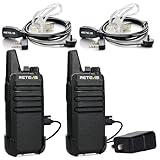 | Retevis RT22 Walkie Talkies Long Range Rechargeable with Earpiece (2 Pack) | Check Price On Amazon |
 | Midland GXT1000VP4 GMRS Two-Way Radios with Headsets, Black, 2 Pack | Check Price On Amazon |
 | Retevis RT628 Walkie Talkies for Kids,Toys Gifts for 6-12 Years Old Boys Girls,Long Range 2 Way Radio 22CH VOX,Birthday Gift,Family Walkie Talkie for Camping Hiking Indoor Outdoor | Check Price On Amazon |