Walkie talkie user manuals provide critical information for proper device operation, maintenance, and troubleshooting. Our comprehensive operation guide database offers access to manuals across all major brands while providing universal principles that apply to any two-way radio. This resource helps both beginners and professionals find specific instructions and learn operational fundamentals.
How to Use This Walkie Talkie Operation Guide Database
This comprehensive resource combines manufacturer manuals with practical operation guides across all major brands. Here’s how to navigate and get exactly what you need:
| Photo | Popular Portable Walkie Talkies | Price |
|---|---|---|
 | SKIWARRIOR Multifunctional Smart Wireless Ski Goggles with Walkie-Talkie, Anti-Fog Zeiss Lens, Music & Call Function (Cylindrical Blue) | Check Price On Amazon |
 | SINORISE Super Mini Walkie Talkies, Two-Way Radios, 3 Pack | Check Price On Amazon |
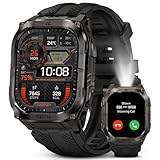 | KOSPET Tank M4C Smart Watch Rugged, Dual-Band GPS, 5ATM & IP69K Waterproof | Check Price On Amazon |
 | Retevis RT15 Walkie Talkies 3 Pack, Birthday Gift, Outdoor Adventure Kit | Check Price On Amazon |
 | Rechargeable Walkie Talkies Toys for Kids: DIY Astronaut Walkie Talkies for Boys Christmas Birthday Gifts for 3 4 5 6 7 8 9 10 Boy Walkie Talkie Outdoor Hiking Toy 2 Way Radio Camping Outdoor Game | Check Price On Amazon |
- Search by Brand: Use the brand directories below to locate specific manufacturer manuals
- Search by Feature: Find guidance on specific functions like VOX or privacy codes
- Search by Context: Access environment-specific guides for indoor, outdoor, or emergency use
- Use Quick Filters: Sort by consumer, professional, or specialty models
For troubleshooting, use the diagnostic tools in the troubleshooting section. Each problem category includes step-by-step solutions that work across different models. The universal principles section helps you understand fundamental concepts that apply to all walkie talkies.
Complete Walkie Talkie Manual Database (All Brands)
Access user manuals for every major walkie talkie brand and model in our comprehensive database. Use the search, filtering tools, or brand directories below to quickly find your specific device.
Our database includes current and discontinued models, with each listing providing the complete user manual, quick-start guide, and programming instructions. All documents are available in PDF format with select models offering video tutorials.
Looking for general operation guidance instead of a specific manual? Jump to our Universal Operation Principles section.
Motorola Walkie Talkie Operation Manuals
Browse the complete collection of Motorola walkie talkie user manuals, organized by product line and model number. Each listing includes the full operation guide, quick-start instructions, and programming information.
- Professional Series: DP4800, SL4000, XT400, XT600 series
- Consumer Series: Talkabout T42, T62, T82, T92 models
- Commercial Series: CP200d, DLR/DTR series, CLS series
Motorola manuals include dedicated sections on advanced features such as IP Site Connect, Capacity Plus, and proprietary audio enhancements. For Motorola-specific troubleshooting, check our comprehensive troubleshooting guide.
Midland Walkie Talkie Operation Manuals
Find operation guides for all Midland walkie talkies, from consumer FRS/GMRS models to professional business band radios. Our comprehensive collection includes current and discontinued models with complete documentation.
- FRS/GMRS Models: GXT series, LXT series, X-Talker series
- Emergency Radios: ER series, XT511 models
- Business Band Radios: BizTalk series, Legacy models
Midland manuals feature detailed weather alert programming instructions and NOAA channel configurations. For guidance on Midland’s WR100 and other weather alert features, see our Midland WR100 specific guides.
Cobra Walkie Talkie Operation Manuals
Access the complete library of Cobra two-way radio manuals, from microTALK consumer models to professional series. All manuals include range optimization guides and VibrAlert feature instructions.
- microTALK Series: CXT series, ACXT series, PRO series
- Marine Models: MRHH series, floating handhelds
- Professional Models: CXR series, discontinued models
Cobra manuals provide detailed rebound technology explanations and their dual-watch programming functions. Check the Cobra CXT195 guide for typical examples of Cobra’s feature sets.
Universal Walkie Talkie Operation Principles (All Brands)
Despite differences between brands and models, all walkie talkies share fundamental operational principles. This section explains the universal concepts that apply across all two-way radios, helping you understand any device quickly.
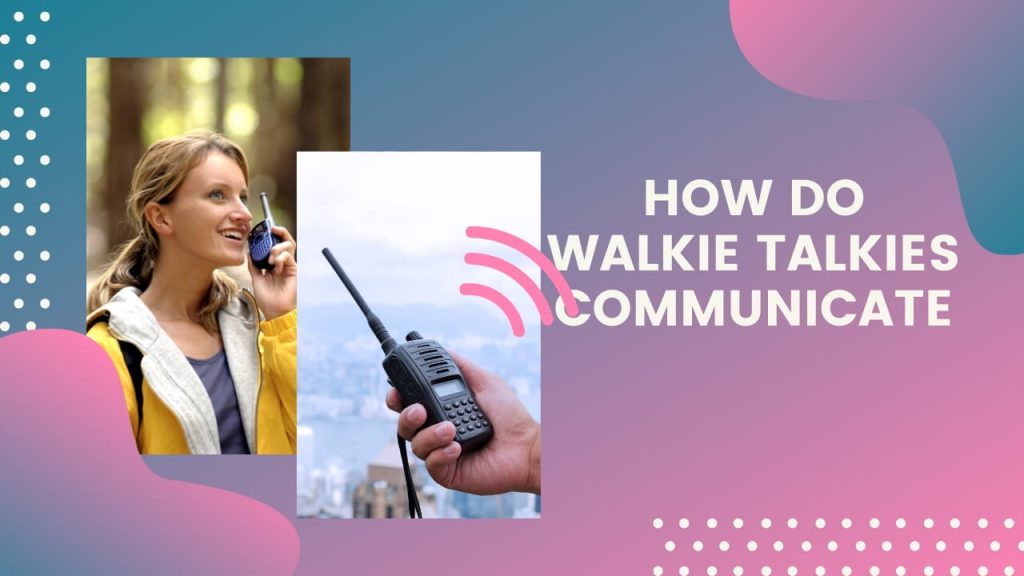
Two-way radios operate on radio frequencies that transmit voice communications wirelessly between units. When you press the Push-to-Talk (PTT) button, your voice converts to radio signals that other radios on the same channel can receive and convert back to audio.
Understanding these core principles lets you operate any walkie talkie, regardless of brand:
- Channels: Preset frequencies your radio uses for communication
- Privacy Codes: Filters that reduce unwanted transmissions (not actual encryption)
- Squelch: Feature that eliminates background noise when no signal is present
- PTT (Push-to-Talk): The button that activates transmission
- Monitor: Function that bypasses squelch to check for weak signals
Understanding Walkie Talkie Controls and Displays
All walkie talkies share common control elements, though they may be labeled differently across brands. This guide helps you identify and understand standard controls regardless of manufacturer.
Standard controls found on most walkie talkies include:
- Power/Volume Knob: Usually located on the top, controls power and volume
- PTT Button: Large button on the side that activates transmission
- Menu Button: Accesses settings and programming functions
- Channel Buttons: Change the operating channel up or down
- Monitor Button: Bypasses squelch to hear weak signals
- Call Tone: Sends an alert tone to other radios
Display indicators typically show channel number, battery level, signal strength, and active features. Most brands use similar icons, though positions may vary.
Channels, Frequencies, and Privacy Codes Explained
The foundation of walkie talkie communication is understanding how channels, frequencies, and privacy codes work together. This universal guide explains these concepts regardless of which brand you’re using.
Channels are preset frequencies your radio uses. In FRS/GMRS radios (common consumer models), there are typically 22 channels. Channels 1-7 are FRS-only (low power), channels 8-14 are shared FRS/GMRS, and channels 15-22 are GMRS-only (higher power, license required).
Privacy codes (also called CTCSS/DCS codes) are not actual privacy features but filters that block unwanted transmissions. When set, your radio only plays audio from others using the same code. Common systems include:
- CTCSS: Continuous Tone Coded Squelch System (38-121 sub-channels)
- DCS: Digital Coded Squelch (104+ digital codes)
Remember: Anyone can hear your transmission by simply turning off privacy codes or using the monitor function. For truly private communication, you need radios with encryption features.
Step-by-Step Walkie Talkie Operation Guide (All Brands)
Follow these universal steps to operate any walkie talkie effectively. While specific buttons may vary between brands, these fundamental procedures work for all two-way radios.
- Prepare your radio: Install batteries or ensure the battery pack is charged
- Power on: Turn the power knob clockwise or press and hold the power button
- Set volume: Adjust to a comfortable level using the volume control
- Select channel: Use up/down buttons to select the desired channel
- Set privacy code (if desired): Access menu to set CTCSS/DCS code
- Transmit: Press and hold PTT button, speak 2-3 inches from microphone
- Release PTT: Release button to listen for response
For best results, perform a radio check before critical communications. Have each team member transmit briefly to confirm all radios are working properly.
Basic Operation: Power, Volume, and Channel Selection
Master the essential operations common to all walkie talkies with this step-by-step guide. These fundamental procedures work consistently across brands, though button positions may vary.
Powering On and Off:
- For knob-controlled models: Turn power/volume knob clockwise until you hear a click
- For button-controlled models: Press and hold power button until display lights up
- Most radios play a tone or briefly show all display elements when powered on
- To power off, reverse the process (turn knob fully counterclockwise or press and hold power button)
Adjusting Volume:
- Once powered on, turn volume knob clockwise to increase
- For button models, use dedicated volume buttons (often combined with channel buttons)
- Use monitor function to hear background noise as volume reference
- Set volume where you can clearly hear transmissions without distortion
Selecting Channels:
- Press channel up/down buttons to change channels
- Some models require pressing menu first, then selecting channel option
- Channel number appears on display (typically largest number shown)
- Confirm all team members are on same channel before operations
Transmitting and Receiving: Proper Communication Techniques
Effective walkie talkie communication requires proper transmission and receiving techniques. Learn the universal methods that ensure clear communication regardless of brand or model.
Transmitting Effectively:
- Hold radio upright with antenna unobstructed
- Press and hold PTT button completely (partial presses may not transmit)
- Wait 1 second before speaking (allows radio to fully enter transmit mode)
- Speak 2-3 inches from microphone in normal voice (not too loud)
- Use brief, clear phrases and standard communication protocols
- Say “Over” when finished and waiting for response
- Release PTT completely to receive
Receiving Clearly:
- Ensure volume is set appropriately for your environment
- Listen for the squelch opening (slight click or background noise)
- For weak signals, use monitor function to bypass squelch
- Hold radio near ear in noisy environments
- Use accessories like earpieces in extremely loud areas
If transmissions sound garbled, verify you’re on the same channel and privacy code as other users. Try repositioning for better signal or switching to a clearer channel.
Advanced Walkie Talkie Features and Programming Guide
Beyond basic operation, most walkie talkies offer advanced features that enhance communication capabilities. This section explains common advanced functions and how to program them across different brands.
While programming steps vary between brands, most follow similar patterns of button sequences. Typically, you’ll press a menu or program button, select a feature, change settings, and confirm with another button press.
Common advanced features include:
- VOX (Voice-Activated Transmission): Allows hands-free operation
- Channel Scan: Automatically checks all channels for activity
- Call Tones: Sends alert tones to other radios
- Key Lock: Prevents accidental button presses
- Weather Alerts: Receives emergency weather broadcasts
- Group Call: Selective calling to specific groups
If programming seems confusing, most radios have a factory reset option. Check your specific manual for the reset button combination, typically involving holding specific buttons while powering on.
Programming Privacy Codes and Scan Features
Privacy codes and scanning functions are available on most walkie talkies but are programmed differently across brands. This universal guide covers the principles and steps that work across manufacturers.
Setting Privacy Codes:
- Press Menu button until CTCSS/DCS icon or “Code” appears
- Use up/down buttons to select desired code number
- Common options include 0 (off) through 38 or higher
- Press PTT or Menu to confirm setting
- Ensure all team radios use identical channel AND code
Programming Scan Function:
- Press Menu until Scan icon or “SCAN” appears
- Press select/enter to begin scanning
- Radio will cycle through all channels, stopping on active ones
- Some models allow excluding specific channels from scan
- To stop scanning, press PTT or cancel button
For Motorola models like the Motorola T800, you may need to hold the menu button longer to access advanced settings. Midland typically uses a separate “scan” button for direct access.
VOX, Tones, and Alert Features Configuration
Voice-activated transmission (VOX), call tones, and alert features enhance walkie talkie functionality but require specific programming. Learn how these features work and how to configure them on any brand.
Setting Up VOX (Voice Activation):
- Press Menu until VOX icon or “VOX” appears
- Use up/down buttons to select sensitivity level (higher numbers = more sensitive)
- Select “OFF” to disable VOX
- Press PTT or Menu to confirm
- Test by speaking without pressing PTT
Programming Call Tones:
- Press Menu until Call Tone icon or “CALL” appears
- Use up/down buttons to select tone style (1-10 typically)
- Press PTT or Menu to confirm
- To send tone, press Call button (separate from PTT)
Setting Alert Features:
- Press Menu until Alert icon appears
- Select type (weather, emergency, vibrate)
- Choose ON or OFF
- Some models allow setting alert volume separately
For optimal VOX use, set sensitivity lower in noisy environments to prevent accidental transmission. In quiet settings, higher sensitivity works better.
Environment-Specific Walkie Talkie Operation Guides
Walkie talkie performance varies greatly depending on the environment. These specialized guides provide optimal settings and techniques for different scenarios, applicable across all brands and models.
Environmental factors like buildings, terrain, vegetation, and weather significantly impact range and clarity. Adjusting your settings and techniques for specific environments can dramatically improve communication effectiveness.
Key environmental considerations include:
- Line of sight: Direct visual path between radios provides best performance
- Elevation: Higher positions extend range significantly
- Obstructions: Buildings, hills, and dense foliage reduce range
- Interference: Electronic devices and power lines can cause static
- Weather: Rain, fog, and humidity can affect signal strength
Indoor and Urban Environment Operation Guide
Indoor and urban environments present unique challenges for walkie talkie communication due to signal obstacles and interference. This guide provides optimal settings and techniques for any brand used in these conditions.
Buildings with concrete, metal, and multiple floors significantly reduce walkie talkie range. In these environments:
- Use UHF channels (typically channels 1-7 on consumer radios) which penetrate buildings better than VHF
- Position yourself near windows or doorways when possible
- Hold radio vertically and away from your body
- Try different channels if experiencing interference
- Use privacy codes to filter unwanted urban chatter
- Consider repeater systems for large buildings
For optimal indoor performance, the best walkie talkies for inside buildings provides excellent building penetration with its UHF capabilities. Consumer models like the Cobra PX500 also perform well in buildings.
Outdoor and Remote Operation Optimization
Maximize your walkie talkie’s range and reliability in outdoor and remote settings with these universal optimization techniques and settings that work across all brands and models.
In open outdoor environments, you can achieve maximum range by:
- Seeking higher ground whenever possible
- Using maximum power settings (GMRS channels if licensed)
- Extending antennas fully and keeping them vertical
- Minimizing obstructions between radios
- Using external antennas when stationary
- Switching to VHF for better distance over open terrain
For hiking and backpacking, the best walkie talkies for hiking provides excellent range and weather alerts. For marine environments, consider waterproof models like the best walkie talkies for boating.
Remember that manufacturer range claims (often “up to 36 miles”) reflect perfect conditions rarely found in real-world use. Expect 1-2 miles in most rural settings and significantly less in forests or hills.
Comprehensive Walkie Talkie Troubleshooting Guide
Encounter a problem with your walkie talkie? This universal troubleshooting guide addresses common issues across all brands and models, with systematic diagnostic procedures and solutions.
Most walkie talkie problems fall into these categories:
- Power issues: Radio won’t turn on or shuts off unexpectedly
- Transmission problems: Can’t transmit or others can’t hear you
- Reception problems: Can’t hear others or reception is poor
- Range issues: Communication distance is less than expected
- Audio problems: Static, noise, or garbled speech
- Programming difficulties: Can’t access or change settings
Before deep troubleshooting, try these quick fixes:
- Power cycle the radio (turn off, remove batteries, reinstall, turn on)
- Check battery condition and replace if needed
- Ensure antenna is tight and undamaged
- Verify channel and privacy code match other radios
Range and Reception Problems: Diagnosis and Solutions
Experiencing poor range or reception with your walkie talkie? Follow this systematic troubleshooting guide to identify the cause and implement effective solutions, regardless of brand or model.
Diagnosis Process:
- Test with another radio nearby to verify if problem is with one radio or the environment
- Check signal meter (if available) to assess signal strength
- Try different channels to rule out interference on specific frequencies
- Test in different locations to identify environmental factors
- Check if range issues occur on transmit, receive, or both
Common Solutions:
- Poor range: Move to higher ground, ensure antenna is vertical, switch to high power setting
- Static or noise: Change channels, adjust squelch, move away from interference sources
- Intermittent reception: Check for loose antenna, battery connection, or corroded contacts
- One-way communication: Check if privacy codes match on both radios
- Garbled audio: Speak more clearly, hold radio proper distance from mouth, avoid wind
For persistent range issues, consider upgrading to a higher-powered model like the Midland GXT1000 series or add a compatible external antenna where permitted.
Battery and Power Issues: Diagnosis and Solutions
Battery and power problems can affect any walkie talkie. This cross-brand troubleshooting guide helps you diagnose specific issues and implement the right solution for your device.
Diagnosing Power Issues:
- Check if display shows any signs of power
- Try fresh batteries or fully charged battery pack
- Inspect battery contacts for corrosion or damage
- Test charger with other devices if possible
- Check for external damage that might affect power components
Common Solutions:
- Radio won’t power on: Replace batteries, clean contacts, check for correct battery installation
- Radio powers off suddenly: Replace low batteries, check for overheating, verify auto-power off isn’t activated
- Short battery life: Use lower power setting, disable unused features, replace aging batteries
- Won’t charge: Check charging base contacts, verify charger is powered, try different outlet
- Battery meter inaccurate: Fully discharge and recharge battery pack to recalibrate
For rechargeable models, battery packs typically last 1-2 years with regular use. Consider replacing the battery pack rather than the entire radio if it no longer holds a charge.
Walkie Talkie Accessories Guide and Compatibility
The right accessories can significantly enhance your walkie talkie’s functionality and performance. This comprehensive guide covers common accessories, their benefits, and cross-brand compatibility.
Accessories fall into several categories:
- Audio accessories: Headsets, earpieces, speaker microphones
- Power solutions: Chargers, battery packs, adapters
- Carrying options: Cases, holsters, chest packs
- Antennas: Replacement, high-gain, specialized
- Programming tools: Cables, software
Most consumer walkie talkies use standard 2.5mm or 3.5mm audio jacks, allowing interchangeable accessories. Professional models typically have proprietary connections requiring brand-specific accessories.
Before purchasing accessories, verify compatibility by checking:
- Connector type (K1, M1, 2-pin, multi-pin)
- Jack size (2.5mm, 3.5mm)
- Pin configuration (straight vs. angled)
- Manufacturer compatibility claims
Audio Accessories: Headsets, Microphones, and Speakers
Audio accessories improve communication clarity and convenience across all walkie talkie brands. This guide explains the types available, connection standards, and cross-brand compatibility.
Common Audio Accessories:
- Earpieces: Simple, lightweight options for discrete listening
- Headsets: Over-ear options with boom microphones for noisy environments
- Throat microphones: Capture voice vibrations directly for extreme conditions
- Speaker microphones: Remote microphone/speakers that clip to clothing
- Bone conduction: Transmit audio through skull bones for clear reception in noise
Compatibility Guide:
- Motorola Talkabout: Single-pin 2.5mm jack
- Midland GXT/LXT: 2.5mm jack with specific pin configuration
- Cobra microTALK: 2.5mm jack (most models)
- Kenwood ProTalk: Two-pin K1 connector
- Motorola Professional: Two-pin M1 connector
For versatile accessories that work with multiple radios, the acoustic tube earpiece with adapter kit provides excellent value. For noisy environments, consider the best walkie talkies for loud environments with appropriate adapter.
Regulatory and Licensing Information for Walkie Talkie Operation
Understanding the regulations governing walkie talkie use is essential for legal operation. This section explains the regulatory requirements across different radio services and geographical regions.
In the United States, walkie talkies operate under several radio services regulated by the FCC:
- FRS (Family Radio Service): No license required, limited to 2 watts ERP, fixed antennas
- GMRS (General Mobile Radio Service): License required ($70 for 10 years), up to 50 watts, repeater use allowed
- MURS (Multi-Use Radio Service): No license required, limited to 2 watts, external antennas allowed
- Business Band: License required, specific frequency assignments
- Ham Radio: Amateur license required (Technician class or higher)
Most consumer walkie talkies sold today are FRS/GMRS hybrids. Channels 1-7 are FRS only (no license), while channels 8-22 may require GMRS licensing when used at higher power levels.
International travelers should note that frequencies and regulations vary by country. A radio legal in the US may not be legal to operate in Canada, Mexico, Europe, or elsewhere without appropriate licensing or certification.
Specialized Walkie Talkie Applications and Protocols
Walkie talkies are used in diverse professional and specialized contexts, each with unique operational requirements. These guides provide context-specific protocols and best practices applicable across all brands.
Professional applications require specific communication procedures to ensure clarity, efficiency, and safety. Common specialized uses include:
- Emergency Services: Fire, police, EMS, search and rescue
- Event Management: Conferences, concerts, sports events
- Construction: Coordination of equipment and personnel
- Security: Building security, event security, loss prevention
- Hospitality: Hotels, restaurants, resorts
- Outdoor Recreation: Hiking groups, tour guides, expedition teams
Each application has standard protocols and best practices that enhance communication effectiveness and safety.
Emergency and Disaster Communication Protocols
During emergencies and disasters, effective walkie talkie communication can be critical. This guide provides standardized emergency protocols and optimal configuration for any brand or model.
Emergency Preparation:
- Designate a clear channel for emergency communications
- Program NOAA weather channels if available
- Establish and practice emergency call signs and protocols
- Keep spare batteries or charging options ready
- Know how to operate in battery conservation mode
Emergency Communication Protocol:
- Begin transmission with “Emergency, Emergency, Emergency”
- Identify yourself clearly
- State exact location with landmarks if possible
- Describe emergency nature and severity
- Specify assistance needed
- End with “Over” and wait for acknowledgment
In disaster scenarios, use the battery sparingly by turning the radio off when not in use or switching to a predetermined check-in schedule (e.g., every hour on the hour).
For emergency preparedness, consider radios with built-in emergency features like the Midland ER310 that include NOAA alerts and multiple power options.
Comparison of Walkie Talkie Technologies and Standards
Understanding the different technologies and standards in walkie talkies helps you make informed choices about operation and purchases. This guide compares key technologies across major brands and models.
Analog vs. Digital:
- Analog: Traditional technology, widely compatible, gradually degrades with distance
- Digital: Newer technology, maintains clarity until signal lost, often includes encryption
UHF vs. VHF:
- UHF (Ultra High Frequency): Better for indoor use, penetrates buildings, shorter wavelength
- VHF (Very High Frequency): Better for outdoor open areas, longer range in line-of-sight
Battery Technologies:
- Alkaline: Widely available, non-rechargeable, good shelf life
- NiMH: Rechargeable, less capacity but reusable, no memory effect
- Li-Ion: Highest capacity, lightweight, longer lifespan, more expensive
Durability Standards:
- IP Ratings: IP54 to IP67 indicates dust and water resistance levels
- Military Standards: MIL-STD-810 certification for shock, vibration, temperature
When selecting between technologies, match capabilities to your specific needs. Digital models like the Motorola DTR700 offer superior audio clarity but at higher cost than analog alternatives.
Printable Quick Reference Guides and Cheat Sheets
Access our collection of printable walkie talkie reference guides designed for field use. These concise resources provide essential information in a format that’s easy to carry and reference when using your device.
Our printable resources include:
- Universal Operation Quick Guide: Basic steps for any walkie talkie
- FRS/GMRS Channel Chart: Frequencies, power limits, and usage notes
- Radio Check Procedure Card: Standard protocols for testing communication
- Emergency Protocol Sheet: Step-by-step emergency communication procedures
- Battery Life Extension Tips: Quick reference for maximizing operation time
- Troubleshooting Flowchart: Decision tree for solving common problems
These laminated, pocket-sized guides are especially valuable for group activities, where not everyone may be familiar with proper radio operation and protocols.
Print these resources before your next outing or keep digital copies on your phone for quick reference when setting up communication for group events, outdoor activities, or emergency preparedness.
| Photo | TOP RATED WALKIE TALKIES | Price |
|---|---|---|
 | Retevis RT628 Kids Walkie Talkies, Toys Gifts for 4-12 Year Old Girl Boy | Check Price On Amazon |
 | Cobra ACXT545 Weather-Resistant Walkie Talkies, Rechargeable, 22 Channels | Check Price On Amazon |
 | Retevis RT388 Kids Walkie Talkies, Outdoor Toys for Kids Camping Essentials | Check Price On Amazon |
 | Cobra RX680 Walkie Talkies (2-Pack), IP54 Water Resistant Design | Check Price On Amazon |
 | Retevis RT22 Walkie Talkies Long Range Rechargeable with Earpiece (2 Pack) | Check Price On Amazon |
 | Midland GXT1000VP4 GMRS Two-Way Radios with Headsets, Black, 2 Pack | Check Price On Amazon |
 | Retevis RT628 Walkie Talkies for Kids,Toys Gifts for 6-12 Years Old Boys Girls,Long Range 2 Way Radio 22CH VOX,Birthday Gift,Family Walkie Talkie for Camping Hiking Indoor Outdoor | Check Price On Amazon |