Flight Service Stations provide critical communication support for pilots across different regions. This guide offers complete FSS frequency information organized by geographic area, making it easy to find the right frequency regardless of where you fly. You’ll learn how to select appropriate frequencies, use proper communication procedures, and troubleshoot common problems to ensure reliable contact with Flight Service throughout your journey.
Understanding the Flight Service Station System
Flight Service Stations form the backbone of pilot weather briefing and flight planning services in the United States, but the system has undergone significant changes in recent years. Here’s what today’s pilots need to know about the modern FSS network.
| Photo | Popular Portable Walkie Talkies | Price |
|---|---|---|
 | SKIWARRIOR Multifunctional Smart Wireless Ski Goggles with Walkie-Talkie, Anti-Fog Zeiss Lens, Music & Call Function (Cylindrical Blue) | Check Price On Amazon |
 | SINORISE Super Mini Walkie Talkies, Two-Way Radios, 3 Pack | Up to 12 Hours Battery Life, for Baseball Coaches, Restaurants, Retail Stores, Hospitals, Outdoor Sports & Travel | Check Price On Amazon |
 | KOSPET Tank M4C Smart Watch Rugged, Dual-Band GPS, 5ATM & IP69K Waterproof | 1.96" AMOLED Display, 170+ Sport Modes, Built-in LED Flashlight/Walkie-Talkie, Heart Rate/Sleep Monitor for Android & iPhone | Check Price On Amazon |
 | Retevis RT15 Walkie Talkies 3 Pack, Birthday Gift, Outdoor Adventure Kit | Durable, Lightweight, VOX, Key Lock, Mini Walkie Talkies for Adults, School Family Outdoor Travel Camping Hiking | Check Price On Amazon |
 | Rechargeable Walkie Talkies Toys for Kids: DIY Astronaut Walkie Talkies for Boys Christmas Birthday Gifts for 3 4 5 6 7 8 9 10 Boy Walkie Talkie Outdoor Hiking Toy 2 Way Radio Camping Outdoor Game | Check Price On Amazon |
The FSS system has evolved dramatically from its origins. Originally consisting of over 300 individual stations spread across the country, the system has been consolidated into a streamlined network operated by Leidos (formerly Lockheed Martin) under FAA oversight. This consolidation, completed in 2007, centralized operations while maintaining nationwide coverage through strategically located facilities.
FSS provides vital services for general aviation pilots, including:
- Preflight weather briefings
- Flight plan filing and closing
- In-flight weather updates
- Pilot reports (PIREPs) collection
- Emergency assistance
- Navigation aid checks
It’s important to understand that Flight Service Stations operate differently from Air Traffic Control. While ATC focuses on separation and traffic management, FSS specializes in flight planning, weather information, and emergency assistance. This distinction affects how pilots should communicate with each service.
The current FSS system divides the United States into distinct service areas, each with dedicated frequency coverage optimized for regional geography and traffic patterns. Despite technological advancements and digital migration of many aviation communication systems, radio frequencies remain the primary method for in-flight contact with Flight Service.
FSS Services Available via Radio Communication
Before diving into specific frequencies, it’s important to understand exactly what services you can access through radio contact with Flight Service. The following services are available through direct radio communication:
- Weather briefings: Current conditions, forecasts, and hazardous weather advisories
- Flight plan filing: Submit new flight plans or amend existing ones
- Flight plan opening/closing: Activate or terminate VFR flight plans
- Pilot Reports (PIREPs): Submit observations of actual flight conditions
- Navigation aid status checks: Verify operational status of VORs, NDBs
- Emergency assistance: Obtain help during urgent situations
- NOTAM updates: Receive latest Notices to Airmen
- Special Use Airspace status: Check activation of restricted areas
Some services, however, are more efficiently accessed through telephone or online channels, including comprehensive preflight briefings, extended weather graphics, and detailed flight planning. Radio services are optimized for in-flight needs when other communication methods aren’t available.
National FSS Frequencies Every Pilot Should Know
While most FSS frequencies are region-specific, there are several universal frequencies every pilot should memorize regardless of where they fly. These frequencies serve as your primary starting points for FSS communication.
| Frequency | Purpose | Coverage |
|---|---|---|
| 122.2 MHz | Universal FSS contact frequency | Nationwide primary |
| 121.5 MHz | Emergency frequency | Nationwide emergency use |
| 122.0 MHz | Remote communications outlet | Common at smaller airports |
| 123.65 MHz | Flight Watch (historical) | Nationwide (phased out but still recognized) |
The 122.2 MHz frequency remains the backbone of FSS communications, serving as the default frequency when no specific regional frequency is known. When in doubt, start with 122.2 MHz, though reception may vary by location and altitude.
The emergency frequency 121.5 MHz is monitored by FSS, ATC facilities, and many aircraft. While not exclusively an FSS frequency, it provides an essential communication channel during emergencies when standard frequencies might be inaccessible. FSS specialists are trained to coordinate emergency response through this channel.
FSS Frequency Map by Geographic Region
Flight Service frequencies are allocated by geographic region, with each area having dedicated frequencies optimized for coverage based on terrain and facility locations. The following comprehensive guide provides all current frequencies organized by region.
Understanding the regional frequency structure is essential for efficient communication. Each region features primary frequencies that offer broad coverage, supplemented by remote communications outlets (RCOs) that extend service to areas with challenging terrain or at greater distances from major facilities.
Altitude significantly affects frequency reception. Higher altitudes generally provide better reception due to increased line-of-sight range, but may also introduce interference from distant stations on the same frequency. Lower altitudes may require using more localized RCO frequencies, especially in mountainous areas.
Recent system consolidation has standardized many frequencies across regions, but important regional variations remain based on historical frequency assignments and local requirements. The following sections provide detailed frequency information for each U.S. region.
Northeast Region FSS Frequencies
The Northeast region, serviced primarily by Leesburg FSS, covers New England, New York, and the Mid-Atlantic states. Here are the specific frequencies you should use when flying in this region:
| Location | Primary Frequency | Secondary Frequency |
|---|---|---|
| Boston area | 122.2 MHz | 122.35 MHz |
| New York area | 122.2 MHz | 122.65 MHz |
| Philadelphia area | 122.2 MHz | 122.1 MHz |
| Maine (northern) | 122.1 MHz | 123.65 MHz |
The Northeast region presents unique communication challenges due to mountainous terrain in northern New England and the Appalachians. Higher altitudes are often necessary for reliable communication in these areas. Coastal operations along the Atlantic seaboard generally have excellent coverage due to numerous RCOs positioned along the shoreline.
When flying in high-traffic corridors between major metropolitan areas, be prepared for occasional frequency congestion. In these situations, try secondary frequencies if primary channels are busy.
Southeast Region FSS Frequencies
The Southeast region encompasses Florida, Georgia, the Carolinas, and surrounding states, with unique considerations for coastal operations and high-volume tourist areas. The following frequencies apply to this region:
| Location | Primary Frequency | Secondary Frequency |
|---|---|---|
| Florida (peninsula) | 122.2 MHz | 122.55 MHz |
| Georgia/Alabama | 122.2 MHz | 122.6 MHz |
| Carolinas | 122.2 MHz | 122.65 MHz |
| Gulf Coast | 122.2 MHz | 122.5 MHz |
The Southeast region features extensive coastal areas where offshore operations require special consideration. When flying more than 25 nautical miles offshore, higher altitudes may be necessary to maintain FSS contact. During hurricane season (June through November), be aware that special weather advisory frequencies may be activated.
Florida’s high aviation traffic volume, especially around major tourist destinations, can lead to frequency congestion. In these areas, using the appropriate regional frequency rather than the national 122.2 MHz often provides better service.
Central Region FSS Frequencies
The Central region covers America’s heartland, including the Great Lakes, Ohio Valley, and upper Mississippi River basin. These frequencies provide coverage across this large, relatively flat region:
| Location | Primary Frequency | Secondary Frequency |
|---|---|---|
| Great Lakes area | 122.2 MHz | 122.3 MHz |
| Ohio Valley | 122.2 MHz | 122.6 MHz |
| Mississippi Valley | 122.2 MHz | 122.35 MHz |
| Great Plains | 122.2 MHz | 122.5 MHz |
The Central region’s generally flat terrain provides excellent radio propagation, with fewer coverage gaps than mountainous regions. However, the Great Lakes present unique challenges for communication, with over-water propagation sometimes causing unexpected reception issues.
When planning cross-country flights through this region, note the subtle frequency changes between sub-regions. During severe weather season (spring and summer), be particularly attentive to FSS communications, as this region experiences frequent and sometimes rapidly developing thunderstorm activity.
Southwest Region FSS Frequencies
The Southwest region presents unique challenges with its combination of high deserts, mountains, and coastal areas stretching from Texas to Southern California. Use these frequencies when operating in the Southwest:
| Location | Primary Frequency | Secondary Frequency |
|---|---|---|
| Texas (eastern) | 122.2 MHz | 122.55 MHz |
| Texas (western)/New Mexico | 122.2 MHz | 122.6 MHz |
| Arizona | 122.2 MHz | 122.35 MHz |
| Southern California | 122.2 MHz | 122.5 MHz |
The Southwest region’s diverse terrain creates significant communication challenges. Mountain ranges can block signals, creating coverage gaps in valleys and low-altitude flight paths. When flying in these areas, climbing to higher altitudes often improves FSS communication reliability.
Desert operations require special consideration due to high temperatures affecting aircraft performance and increasing the importance of accurate weather information. Border operations near Mexico may require additional awareness of military frequency restrictions in certain areas.
Northwest Region FSS Frequencies
The Northwest region encompasses the Pacific Northwest, Northern California, and extends eastward to include the northern Rocky Mountain states. These frequencies provide coverage across this topographically diverse region:
| Location | Primary Frequency | Secondary Frequency |
|---|---|---|
| Washington/Oregon | 122.2 MHz | 122.55 MHz |
| Northern California | 122.2 MHz | 122.5 MHz |
| Idaho/Montana | 122.2 MHz | 122.6 MHz |
| Coastal areas | 122.2 MHz | 122.65 MHz |
The Northwest region’s mountainous terrain creates significant communication challenges. The Cascade Range, Sierra Nevada, and Rocky Mountains all create natural barriers to radio signals. Strategic use of RCOs is essential in these areas, with particular attention to altitude for maintaining reliable communications.
Coastal operations along the Pacific have different requirements, with good coverage along populated areas but significant gaps in more remote coastal sections. When flying in remote wilderness areas, be prepared to use higher altitudes for communication or rely on relay services from other aircraft when necessary.
Alaska Region FSS Frequencies
Alaska presents the most challenging environment for FSS communications in the United States, with vast wilderness areas, extreme weather, and limited infrastructure. Alaska’s FSS system is more extensive than other regions due to these challenges.
| Location | Primary Frequency | Secondary Frequency |
|---|---|---|
| Anchorage area | 122.2 MHz | 122.55 MHz |
| Fairbanks area | 122.2 MHz | 122.6 MHz |
| Juneau area | 122.2 MHz | 122.5 MHz |
| Remote areas | 122.2 MHz | Multiple local frequencies |
Alaska’s FSS system remains more distributed than the lower 48 states, with numerous FSS facilities still operating to serve the unique needs of Alaskan aviation. The challenging terrain and extreme distances make radio communication unreliable in many areas, requiring pilots to understand both primary and multiple backup communication options.
When flying in remote areas of Alaska, be prepared to use higher altitudes for communication or employ alternative methods such as satellite phones when traditional radio contact isn’t possible. Flight following is particularly important in Alaska’s remote regions, making FSS communication a critical safety resource.
Hawaii and Pacific Territories FSS Frequencies
Hawaii and the Pacific territories operate under unique FSS protocols due to their isolation and predominately oceanic operations. The following frequencies apply when flying in these areas:
| Location | Primary Frequency | Secondary Frequency |
|---|---|---|
| Oahu/Honolulu area | 122.2 MHz | 122.55 MHz |
| Outer Hawaiian Islands | 122.2 MHz | 122.6 MHz |
| Guam | 122.2 MHz | 122.35 MHz |
| American Samoa | 122.2 MHz | 122.65 MHz |
Hawaii’s volcanic terrain creates significant communication challenges between islands, with mountain peaks blocking signals and creating coverage gaps. When island-hopping, maintain sufficient altitude to ensure continuous communication coverage.
Oceanic operations require special consideration. When flying beyond 25 nautical miles from shore, higher altitudes become essential for maintaining FSS contact. For longer over-water flights, additional communication equipment such as HF radio or satellite communication devices may be necessary to supplement VHF capabilities.
How to Select the Appropriate FSS Frequency
Selecting the correct FSS frequency is essential for efficient communication. Follow this systematic approach to determine which frequency to use based on your location, altitude, and specific needs.
- Identify your region: Determine which geographic region you’re currently flying in using the maps and tables provided above.
- Check preflight information: Review your preflight briefing for any NOTAMs affecting FSS frequencies in your area.
- Consider your altitude: Higher altitudes generally provide better reception on primary frequencies, while lower altitudes may require local RCO frequencies.
- Start with the standard: Begin with 122.2 MHz as your default frequency unless you know a specific regional frequency is more appropriate.
- Check the sectional chart: Locate nearby RCO frequencies marked on your sectional chart if the primary frequency isn’t providing adequate communication.
- Try alternatives: If unable to establish contact, try the secondary frequency for your region.
- Consider relays: In remote areas, you may need to request another aircraft to relay your message to FSS.
When flying near regional boundaries, be prepared to switch frequencies as you transition between coverage areas. It’s good practice to note the appropriate frequencies for your entire route during preflight planning, particularly for cross-country flights crossing multiple regions.
Nighttime operations may experience different propagation characteristics, sometimes allowing communication over greater distances but also introducing more potential for interference. Be prepared to try alternative frequencies if your primary choice isn’t effective after dark.
Proper Communication Procedures for FSS Contact
Knowing the correct frequency is only half the battle; using proper communication procedures ensures efficient, effective contact with Flight Service. Follow these protocols for various types of FSS communications.
For initial contact with any FSS facility, use this standard format:
- State the facility name you’re calling
- Identify your aircraft (full N-number)
- State your position (nearby navaid or airport)
- State your altitude
- State your request clearly and concisely
Example: “Raleigh Radio, Cessna Three Four Five Six Seven, twenty miles west of Seymour Johnson VOR, six thousand five hundred, request updated winds aloft.”
When filing a flight plan by radio, be prepared to provide all standard flight plan information in the correct order. It helps to have this written down before making the call. Similarly, when opening or closing flight plans, use standard phraseology to ensure clear communication.
For weather briefings, specify exactly what information you need rather than requesting a “general briefing.” This helps the specialist provide relevant information efficiently. When submitting PIREPs, report objective observations in the standard format: location, time, altitude, weather phenomena, and aircraft type.
When operating at non-towered airports, you may need to coordinate with FSS for flight plan closing or special requests. Understanding best practices for both FSS and CTAF communications helps ensure efficient operations.
FSS Radio Communication Example Scripts
The following example scripts demonstrate proper FSS communication for various scenarios. Study these examples to improve your own radio technique and efficiency.
Weather Update Request:
Pilot: “Miami Radio, Cessna N12345, 20 miles north of Naples at 5,500, request current conditions at Fort Myers.”
FSS: “Cessna 12345, Miami Radio, Fort Myers currently ceiling 4,500 broken, visibility 7, wind 090 at 8, altimeter 30.02.”
Pilot: “Miami Radio, Cessna 12345, thank you.”
Opening a VFR Flight Plan:
Pilot: “St. Louis Radio, Cherokee N54321, on the ground Quincy Municipal, request activate VFR flight plan Quincy to Columbia, filed this morning.”
FSS: “Cherokee 54321, St. Louis Radio, your VFR flight plan is activated at 1545 Zulu, Columbia ETA 1645 Zulu. Have a good flight.”
Pilot: “St. Louis Radio, Cherokee 54321, thank you.”
Filing a PIREP:
Pilot: “Seattle Radio, Bonanza N67890, 15 miles east of Olympia at 9,500, PIREP.”
FSS: “Bonanza 67890, Seattle Radio, go ahead with your PIREP.”
Pilot: “Seattle Radio, Bonanza 67890, over Olympia at 1930 Zulu, 9,500 feet, moderate turbulence, bases of broken layer at 10,500, tops not visible.”
FSS: “Bonanza 67890, Seattle Radio, thank you for your PIREP.”
Emergency Assistance Request:
Pilot: “Any station, Piper N11223, transmitting in the blind, uncertain of position, low fuel, request assistance.”
FSS: “Aircraft calling uncertain of position, this is Seattle Radio, say again your call sign slowly and clearly.”
Pilot: “Seattle Radio, Piper November One One Two Two Three, last known position 30 miles south of Yakima, northbound, request vectors to nearest airport.”
These example scripts demonstrate proper format and brevity. Note that pilots clearly state who they’re calling, their aircraft identification, position, altitude, and specific request. The FSS specialist responds by acknowledging the aircraft identification and providing the requested information.
Troubleshooting FSS Communication Problems
Even with the correct frequency, pilots sometimes encounter difficulty establishing or maintaining contact with Flight Service. Here’s how to troubleshoot common communication problems.
No Response on Primary Frequency:
- Check your volume and squelch settings
- Verify correct frequency selection
- Try the secondary frequency for your region
- Increase altitude if possible to improve line-of-sight
- Move away from terrain that may be blocking signals
- Try a nearby RCO frequency listed on your sectional
Weak or Intermittent Reception:
- Check for loose connections in your audio panel
- Try a different headset if available
- Increase altitude to improve line-of-sight
- Adjust your position relative to nearby terrain
- Request a radio check from another aircraft
Excessive Static or Interference:
- Check for electrical equipment causing interference
- Try turning off non-essential avionics temporarily
- Adjust squelch settings
- Try an alternative frequency
- Change position relative to known sources of interference
When all else fails, remember that ATC facilities can often relay messages to FSS if you’re able to contact them instead. In critical situations when emergency frequencies are necessary, don’t hesitate to use 121.5 MHz to establish initial contact for assistance.
Reception Issues and How to Overcome Them
Radio reception issues can prevent clear communication with Flight Service even when using the correct frequency. These techniques can help overcome common reception problems.
VHF radio communication relies on line-of-sight propagation, meaning that obstacles between your aircraft and the receiving station can block signals. Mountains, buildings, and even the curvature of the Earth limit reception range. The primary solution is altitude. Each 1,000 feet of altitude increases your theoretical radio range by approximately 12 nautical miles.
Antenna position and quality significantly impact communication effectiveness. Ensure your antenna is properly mounted and free from corrosion or damage. In high-wing aircraft, the metal structure of the aircraft itself can sometimes block signals in certain directions, requiring you to change heading briefly to improve reception.
Atmospheric conditions can affect radio propagation, with temperature inversions sometimes allowing signals to travel unusually long distances. Conversely, heavy precipitation can attenuate signals. In mountainous areas, finding a position above ridge lines rather than in valleys can dramatically improve reception.
When reception problems persist despite troubleshooting, consider these alternatives:
- Request another aircraft to relay your message
- Contact a nearby ATC facility to relay to FSS
- Climb to a higher altitude temporarily for better reception
- Fly closer to a known RCO location
- Use phone communication after landing if the matter isn’t urgent
Digital Alternatives to Traditional FSS Radio Contact
While radio communication remains essential for in-flight contact with Flight Service, several digital alternatives now complement traditional methods. Understanding when and how to use these digital options can improve your overall flight planning efficiency.
The Leidos Flight Service web portal (1800wxbrief.com) serves as the primary digital interface to FSS services. This comprehensive platform allows pilots to:
- File and manage flight plans
- Receive graphical weather briefings
- Access NOTAMs and TFRs
- Submit PIREPs electronically
- Track flight plans and receive alerts
Mobile applications extend these capabilities to smartphones and tablets, making FSS services accessible in the cockpit with internet connectivity. Apps like ForeFlight, Garmin Pilot, and the official Leidos Flight Service app provide varying degrees of FSS integration.
These digital tools excel during preflight planning and for non-time-critical updates. However, they require internet connectivity and may not be accessible during flight unless you have in-flight internet capabilities. Traditional radio communication remains essential for immediate, in-flight service needs, especially in remote areas.
Future developments in aviation communication security may affect how digital and traditional systems interact, potentially introducing new encryption requirements while maintaining accessibility for legitimate users.
| Service | Radio Communication | Digital Platforms |
|---|---|---|
| Weather updates | Good for quick updates | Better for comprehensive graphics |
| Flight plan filing | Acceptable in-flight | Superior preflight |
| PIREPs | Essential in-flight | Good for non-urgent reports |
| Emergency services | Primary method | Backup only |
FSS Communication During Emergencies
In emergency situations, Flight Service can provide crucial assistance, but knowing the correct emergency communication procedures is essential. This section covers how to effectively use FSS frequencies during various emergency scenarios.
The universal emergency frequency 121.5 MHz is monitored by FSS, ATC facilities, and many aircraft. When facing a genuine emergency, don’t hesitate to use this frequency. Begin your transmission with “MAYDAY, MAYDAY, MAYDAY” for life-threatening emergencies or “PAN-PAN, PAN-PAN, PAN-PAN” for urgent situations that aren’t immediately life-threatening.
When contacting FSS during an emergency, provide this critical information in this order:
- Aircraft identification
- Nature of emergency
- Pilot’s intentions
- Position (latitude/longitude or relative to known point)
- Altitude
- Fuel remaining (in hours and minutes)
- Souls on board
FSS specialists are trained to coordinate with search and rescue services, relay information to appropriate ATC facilities, and provide navigation assistance. They can also coordinate airport services at your intended landing location, ensuring emergency equipment is ready if needed.
If standard communication fails during an emergency, try these alternative methods:
- Set transponder to 7700 to trigger radar alerts
- Try alternate FSS or ATC frequencies
- Attempt contact with overflying aircraft for relay
- If equipped, use satellite communication devices
- As a last resort, use cell phones if within coverage
Understanding proper training requirements for digital aviation communication can help prepare pilots for both routine and emergency situations, ensuring they know how to use all available tools effectively when they need them most.
Printable FSS Frequency Quick Reference Guide
For in-cockpit use, we’ve created printable quick reference guides that compile the essential FSS frequency information in a format optimized for use during flight. These resources can be downloaded, printed, and kept in your flight bag.
Our printable guides include:
- Regional frequency maps with coverage boundaries
- Compact frequency tables organized by region
- Essential communication phraseology examples
- Troubleshooting checklist for communication problems
- Emergency communication procedures quick reference
These guides are designed to fit standard kneeboard sizes and use high-contrast printing for readability in cockpit lighting conditions. We recommend laminating these materials for durability and using dry-erase markers to make temporary notes during flights.
For pilots using electronic flight bags, we’ve also created digital versions of these references in PDF format, optimized for tablet displays. These can be stored in your EFB application for quick access without requiring internet connectivity.
Historical Evolution of the FSS System
The Flight Service Station system has evolved significantly since its inception, with major changes to both infrastructure and frequencies. Understanding this evolution provides context for the current system and insight into possible future developments.
The FSS network originated in the 1920s as a system of weather observation stations supporting early airmail routes. By the 1930s, these had evolved into dedicated aviation weather and communication facilities. During World War II, the system expanded dramatically to support military operations, and many of these facilities transitioned to civilian use afterward.
The system reached its peak in the 1970s with over 300 individual FSS facilities nationwide, each serving a relatively small geographic area with localized frequencies. This decentralized system provided excellent service but became increasingly costly to maintain as technology advanced.
Major consolidation began in the 1990s and accelerated in the early 2000s. In 2005, the FAA contracted Lockheed Martin (now Leidos) to operate the system, leading to further consolidation into the current streamlined network. This consolidation standardized many frequencies nationwide while maintaining some regional variations based on geographic needs.
The transition from specialized Flight Watch services (originally on 122.0 MHz) to integrated FSS operations represents another significant evolution. Today’s system integrates these previously separate services, though many pilots still recognize the historical distinctions.
Future of Flight Service and Frequency Usage
As aviation technology continues to evolve, the Flight Service system is adapting to incorporate new capabilities while maintaining essential services. These developments will likely affect how pilots interact with FSS in the coming years.
The NextGen air transportation system implementation continues to drive modernization of FSS services. Digital data transmission is gradually supplementing traditional voice communication, with systems like ADS-B providing automated weather and traffic information that was previously available only through direct FSS contact.
Satellite-based communication systems are expanding coverage to remote areas, potentially filling gaps where traditional VHF radio contact has been challenging. This may eventually lead to more standardized frequency usage across regions as technology overcomes geographical limitations.
Mobile and web-based applications continue to evolve, providing increasingly sophisticated preflight services while integrating with cockpit systems for in-flight updates. However, voice communication remains irreplaceable for emergency situations and complex information exchange, ensuring the continued importance of FSS frequencies.
Pilots should prepare for this evolving landscape by:
- Maintaining proficiency with traditional radio communication
- Becoming familiar with digital alternatives
- Understanding how different systems complement each other
- Staying informed about regulatory and technological changes
- Maintaining backup communication options for critical situations
Conclusion: Mastering FSS Communication
Effective communication with Flight Service Stations remains a fundamental skill for pilots, combining technical knowledge of frequencies with proper communication procedures. By understanding regional frequency allocations, selecting appropriate channels, and using correct phraseology, pilots can ensure reliable access to vital services throughout their flights.
The comprehensive regional frequency information provided in this guide serves as your authoritative reference for FSS contact anywhere in the United States. Combined with proper communication techniques and troubleshooting knowledge, this information enables confident, efficient interaction with Flight Service regardless of your location or flight conditions.
Remember that effective FSS communication enhances both efficiency and safety. Take time to practice these skills, keep reference materials readily available in the cockpit, and stay current on system changes. With these resources and practices, you’ll master this essential aspect of airmanship and enjoy more informed, safer flying.
| Photo | TOP RATED WALKIE TALKIES | Price |
|---|---|---|
 | Retevis RT628 Kids Walkie Talkies, Toys Gifts for 4-12 Year Old Girl Boy | Kids Camping Essentials Outdoor Toys, Birthday Gift, 22CH, VOX, Keypad Lock, Durable, Easy to Use Walkie Talkies for Kids | Check Price On Amazon |
 | Cobra ACXT545 Weather-Resistant Walkie Talkies, Rechargeable, 22 Channels | Long Range 28-Mile Two-Way Radio Set (2-Pack) | Check Price On Amazon |
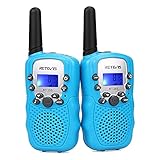 | Retevis RT388 Kids Walkie Talkies, Outdoor Toys for Kids Camping Essentials | 4-12 Year Old Boy Birthday Gift, 22 CH VOX Flashlight Clear Sound, Kids Walkie Talkies 2 Pack for Camping Hiking Adventure | Check Price On Amazon |
 | Cobra RX680 Walkie Talkies (2-Pack), IP54 Water Resistant Design | Rugged & Splashproof Two Way Radios Long Range, 60 Pre-Programmed Channels, Weather Alerts | Check Price On Amazon |
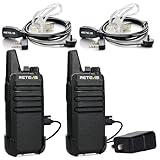 | Retevis RT22 Walkie Talkies Long Range Rechargeable with Earpiece (2 Pack) | Slim & Lightweight 2 Way Radio For Camping & Hiking, Pocket-Friendly Antenna, Ready to Use, 10-Hour Battery, USB-C Charging | Check Price On Amazon |
 | Midland GXT1000VP4 GMRS Two-Way Radios with Headsets, Black, 2 Pack | 50 Channels, 142 Privacy Codes, Up to 36 Mile Long Range, JIS4 Water Resistant, NOAA Weather Alert, Rechargeable NiMH | Check Price On Amazon |
 | Retevis RT628 Walkie Talkies for Kids,Toys Gifts for 6-12 Years Old Boys Girls,Long Range 2 Way Radio 22CH VOX,Birthday Gift,Family Walkie Talkie for Camping Hiking Indoor Outdoor | Check Price On Amazon |