Military frequency restrictions protect national security by keeping sensitive communications private. Civilians cannot legally access specific radio frequency bands reserved for military operations. This guide explains exactly which frequencies are off-limits, why they’re restricted, and what alternatives are available for civilian radio enthusiasts.
Understanding Military Frequency Allocations and Civilian Restrictions
The radio frequency spectrum is a regulated space where specific bands are allocated for military use and protected from civilian interference. Here’s what you need to know about how this system works.
| Photo | Popular Portable Walkie Talkies | Price |
|---|---|---|
 | SKIWARRIOR Multifunctional Smart Wireless Ski Goggles with Walkie-Talkie, Anti-Fog Zeiss Lens, Music & Call Function (Cylindrical Blue) | Check Price On Amazon |
 | SINORISE Super Mini Walkie Talkies, Two-Way Radios, 3 Pack | Check Price On Amazon |
 | KOSPET Tank M4C Smart Watch Rugged, Dual-Band GPS, 5ATM & IP69K Waterproof | Check Price On Amazon |
 | Retevis RT15 Walkie Talkies 3 Pack, Birthday Gift, Outdoor Adventure Kit | Check Price On Amazon |
 | Rechargeable Walkie Talkies Toys for Kids: DIY Astronaut Walkie Talkies for Boys Christmas Birthday Gifts for 3 4 5 6 7 8 9 10 Boy Walkie Talkie Outdoor Hiking Toy 2 Way Radio Camping Outdoor Game | Check Price On Amazon |
The radio spectrum is a finite resource divided into bands assigned for different purposes. Military organizations require dedicated frequencies for secure communications, tactical operations, and national defense. These restricted frequencies prevent interference and maintain operational security.
The National Telecommunications and Information Administration (NTIA) manages government and military spectrum use, while the Federal Communications Commission (FCC) oversees civilian frequencies. This dual system creates clear boundaries between military and public access.
Key terms to understand include:
- Frequency bands: Ranges of radio spectrum designated for specific uses
- Restricted frequencies: Portions of spectrum legally off-limits to civilian use
- Encrypted communications: Transmissions coded to prevent unauthorized listening
Military frequency allocations evolved throughout the 20th century, expanding significantly after World War II when radio communications became critical to modern warfare. Today’s allocations reflect both historical patterns and current security needs.
Legal Framework: Laws Governing Military Frequency Restrictions
Several federal laws and regulations establish clear boundaries between military and civilian radio use. Understanding these rules is essential for legal compliance.
The Communications Act of 1934 (as amended) serves as the foundation for frequency regulation in the United States. Section 305 specifically exempts government stations from certain FCC requirements and establishes the president’s authority to assign frequencies to government stations.
The Electronic Communications Privacy Act (ECPA) of 1986 makes it illegal to intentionally intercept or attempt to intercept private electronic communications. This includes encrypted military transmissions and applies even if you’re just listening and not transmitting.
FCC regulations codify specific frequency allocations and restrictions. Part 2.106 of Title 47 in the Code of Federal Regulations contains the complete Table of Frequency Allocations, showing which bands are reserved for military use.
Violations of these regulations carry serious penalties:
- Unauthorized transmission on military frequencies: Fines up to $112,500 per violation and potential criminal charges
- Unauthorized interception of encrypted communications: Up to 5 years imprisonment for first offense
- Possession of unauthorized equipment: Equipment seizure and additional fines
In 2018, the FCC fined a Florida resident $25,000 for operating a radio transmitter on frequencies reserved for military aircraft, highlighting the seriousness of enforcement.
The International Telecommunication Union (ITU) coordinates global frequency use, with member nations agreeing to honor certain restricted bands for military applications across borders.
Specific Military Frequencies Civilians Cannot Legally Use
The following frequency bands are specifically allocated for military use and are restricted from civilian access. This is not a comprehensive list for monitoring purposes but identifies key restricted areas.
| Frequency Range | Primary Military Use | Civilian Restriction Level | Legal Basis |
|---|---|---|---|
| 225-400 MHz | Military Aviation UHF | No transmission (monitoring allowed with limitations) | FCC Part 2.106 |
| 138-144 MHz | Military Land Mobile | No transmission, no monitoring if encrypted | ECPA, FCC Part 2.106 |
| 380-400 MHz | Military Tactical Operations | No transmission, no monitoring | ECPA, FCC Part 2.106 |
| 3-30 MHz (portions) | Military HF Communications | No transmission on designated channels | FCC Part 2.106 |
| 420-450 MHz | Military Radar Systems | Limited civilian use with restrictions | FCC Part 2.106, 97.303 |
Most military communications use encryption to protect sensitive information. Modern military communications employ frequency-hopping, spread spectrum, and digital encryption technologies that make interception extremely difficult, if not impossible, with consumer equipment.
Even attempting to break encryption to access military communications violates federal law under the ECPA, regardless of whether you succeed in understanding the transmission.
Military Aviation Frequencies and Restrictions
Military aviation communications operate on specific frequencies that are often separate from civilian air traffic control but may interact in shared airspace.
The 225-400 MHz UHF band serves as the primary military air traffic control range. This band is significantly different from the 118-137 MHz VHF band used by civilian aviation. Military pilots must often monitor both bands when operating near civilian airspace.
Military air-to-air tactical frequencies typically operate in dedicated portions of the UHF band and employ encryption. These frequencies allow aircraft to communicate with each other during training and operations without using ground control channels.
Joint-use frequencies exist where military and civilian aircraft must coordinate, particularly in the following situations:
- Military aircraft entering civilian airspace
- Emergency situations requiring cross-communication
- Mixed-use airports serving both military and civilian traffic
Special restrictions apply near military airspace and bases, where monitoring certain frequencies may violate security protocols. Many air defense and tactical frequencies change regularly as part of security measures.
Air defense coordination frequencies, used to manage air sovereignty and intercept operations, are strictly off-limits to civilian use and monitoring. These frequencies fall under national security protections beyond standard regulations.
Naval and Maritime Military Frequencies
Naval operations utilize specific frequency bands for fleet communications, tactical coordination, and maritime security that are generally off-limits to civilian monitoring and use.
Naval tactical frequencies span HF (3-30 MHz), VHF (30-300 MHz), and UHF (300-3000 MHz) ranges, with different bands used for various distances and purposes. Short-range ship-to-ship communications typically use UHF bands, while long-distance coordination often employs HF frequencies.
Fleet broadcast systems distribute encrypted messages to multiple vessels simultaneously. These systems operate on specific frequencies that change according to predetermined schedules, making them difficult to track and illegal to monitor.
Maritime security coordination between military vessels and civilian authorities uses dedicated channels that may be monitored during joint operations. However, the military communications on these channels often switch to encrypted modes when discussing sensitive information.
Civilian vessels operating near naval exercises or operations must maintain safe distances and may receive specific instructions regarding radio use. Nautical charts and notices to mariners typically identify areas with communications restrictions.
Technical Explanation: Why Military Frequencies Are Restricted
Military frequency restrictions aren’t arbitrary. They serve specific technical and security purposes that protect both military operations and the communication spectrum as a whole.
Operational security represents the primary reason for frequency restrictions. Preventing unauthorized access to military communications protects tactical information, troop movements, and strategic plans. Even seemingly routine communications can reveal significant intelligence when analyzed in aggregate.
Interference prevention is another critical factor. Military systems require dedicated, protected spectrum to function reliably. Civilian transmissions in these bands could disrupt critical communications or radar systems, potentially creating dangerous situations.
Modern military communications use advanced technologies to enhance security:
- Encryption scrambles the content of messages so only authorized receivers can understand them
- Frequency-hopping causes transmitters to rapidly change frequencies in a predetermined pattern
- Spread spectrum technologies distribute signals across wide frequency ranges, making them difficult to detect
The national security implications extend beyond protecting individual messages. Comprehensive communication security helps prevent foreign intelligence services from mapping military capabilities, movement patterns, and operational procedures through spectrum usage analysis.
Practical Guide: Ensuring Compliance with Military Frequency Restrictions
For radio enthusiasts, aviation professionals, and anyone using radio equipment, following these practical guidelines will help ensure you remain compliant with military frequency restrictions.
First, verify frequency legality before transmission by:
- Consulting the FCC Table of Frequency Allocations
- Checking your equipment manual for pre-programmed restrictions
- Confirming your license permissions (if applicable)
- Using only frequencies explicitly authorized for your intended purpose
When programming scanners and receivers:
- Use skip features to avoid military bands entirely
- Program only publicly documented civilian frequencies
- Avoid attempting to circumvent blocks on restricted frequencies
- Update your frequency databases regularly as allocations may change
If you accidentally encounter military communications:
- Immediately stop listening and change frequencies
- Do not record, share, or discuss the content
- If you were transmitting, cease immediately
- Document the incident if it involved equipment malfunction
When operating near military installations or in shared bands, maintain a minimum 3 kHz separation from military frequencies and reduce power when operating on adjacent frequencies to prevent spillover. Consider using antenna tuning to maintain maximum clarity while minimizing interference with restricted bands.
Equipment considerations should include:
- Band-specific filters to prevent accidental reception
- Programmable frequency locks on transmitters
- Regular calibration to prevent frequency drift
- Proper microphone gain settings to prevent distorted transmissions that might spread to adjacent frequencies
Legal Alternatives: What Civilians Can Monitor and Use
While certain military frequencies are off-limits, many aviation, emergency, and government communications remain legally accessible to civilians. Here’s what you can monitor and use.
Legal civilian aviation frequencies include:
- 118-137 MHz VHF band for air traffic control
- ATIS (Automatic Terminal Information Service) broadcasts
- Weather information services like VOLMET
- Civil air patrol frequencies when not conducting military operations
Unclassified government frequencies available for monitoring include:
- NOAA weather radio broadcasts
- NASA space communications (downlinks)
- Forest service and park service communications
- Non-tactical federal agency communications
Public safety and emergency services bands offer interesting listening opportunities:
- Police and fire department communications
- Emergency medical services
- Search and rescue operations
- Disaster response coordination
You can legally follow military exercises and operations through:
- Public affairs announcements and broadcasts
- Air show frequencies specifically designated for public information
- Published exercise frequencies in international waters
- Military museum and historical station demonstrations
Different types of monitoring may require specific licenses or permits:
- Amateur radio license for ham radio bands
- GMRS license for General Mobile Radio Service
- Marine radio license for certain maritime channels
- No license required for receive-only monitoring of unencrypted broadcasts
Moving equipment internationally requires proper import-export documentation for international equipment movement to prevent customs issues and ensure compliance with local regulations.
Software-Defined Radio and Military Frequencies: Special Considerations
The growing accessibility of software-defined radio (SDR) technology has created new considerations regarding military frequency restrictions and compliance.
Software-defined radio represents a significant shift in radio technology, using software processing rather than hardware components to control radio functions. This flexibility allows a single device to monitor wide frequency ranges and various transmission types, raising new regulatory concerns.
Legal implications for SDR users include:
- Responsibility to avoid monitoring encrypted military communications
- Obligation to implement frequency blocks for restricted bands
- Potential liability even for accidental interception if not promptly terminated
- Need for certification of transmitting capabilities
The enforcement landscape has evolved as SDR technology has become more widespread. The FCC now focuses on manufacturer compliance for transmitting SDRs while emphasizing user education for receive-only devices.
Many consumer SDR devices include technical limitations that prevent transmission on restricted frequencies, while some receive-only models may implement firmware restrictions for sensitive bands. Users should verify these protections rather than assuming compliance.
Responsible use includes staying informed about restricted frequencies, implementing software filters, and avoiding attempts to circumvent security measures.
Special Situations: Emergencies, Proximity to Bases, and International Waters
Military frequency restrictions can vary based on specific circumstances, including emergencies, your proximity to military installations, and international boundaries.
During life-threatening emergencies, the FCC permits using any means of communication necessary to call for help. If no other options exist, you may transmit on military frequencies, but should:
- State clearly that you have an emergency
- Identify yourself and your situation
- Move to appropriate civilian emergency frequencies when possible
- Document the circumstances afterward
When near military installations, additional restrictions often apply beyond standard national regulations. Military bases frequently establish Radio Frequency Protection Areas that extend beyond their physical boundaries. Within these zones, certain frequencies may be completely prohibited for civilian use, even if they’re permitted elsewhere.
In international waters (beyond 12 nautical miles from shore), country-specific frequency restrictions may change, but military bands remain protected by international agreements. Vessels should consult the International Telecommunication Union regulations and maritime guidance for the regions they transit.
Cross-border frequency regulations can create complex compliance requirements. A frequency that’s legal in one country may be restricted in another, creating challenges for travelers with radio equipment. Always research destination country regulations before crossing borders with communication devices.
During military exercises, temporary frequency restrictions may be established through Notices to Airmen (NOTAMs) or Notices to Mariners. These identify specific time periods and geographic areas where additional communications limitations apply.
Frequently Asked Questions About Military Frequency Restrictions
Here are answers to the most common questions about military frequencies and civilian restrictions.
Can civilians ever legally monitor military frequencies?
Yes, but with significant limitations. Unencrypted, publicly broadcast military communications (like some air traffic control) may be legal to monitor. However, encrypted communications, tactical frequencies, and any transmission where there’s a reasonable expectation of privacy are illegal to monitor under the Electronic Communications Privacy Act.
What happens if I accidentally transmit on a military frequency?
Immediately stop transmitting, document the incident (time, frequency, circumstances), and ensure your equipment is properly configured to prevent recurrence. Accidental, brief transmissions are less likely to result in enforcement action than continued or intentional violations, but repeated “accidents” may still trigger investigation.
How do I know if a frequency I found is restricted?
Consult the FCC’s Table of Frequency Allocations (Part 2.106 of Title 47 in the Code of Federal Regulations) or use resources like the National Telecommunications and Information Administration’s frequency allocation charts. When in doubt, assume a frequency is restricted unless you can confirm civilian authorization.
Do encryption laws apply differently than frequency restrictions?
Yes. Even on frequencies where monitoring is otherwise legal, attempting to decrypt or circumvent encryption is separately prohibited under the Electronic Communications Privacy Act. The mere attempt to break encryption on protected communications violates federal law.
Are vintage/surplus military radios legal for civilian use?
Possession of military radio equipment is generally legal, but operation requires compliance with all frequency regulations and may require modifications to prevent transmission on restricted bands. Some equipment may require certification or licensing depending on capabilities and intended use.
How do military and civilian aviation frequencies interact?
Military aircraft typically have dual capabilities, monitoring both military UHF (225-400 MHz) and civilian VHF (118-137 MHz) bands. When operating in civilian airspace, military aircraft communicate on civilian frequencies. Similarly, civilian aircraft entering military airspace may be required to monitor specific frequencies for coordination.
What’s the difference between “can’t transmit” and “can’t monitor”?
“Can’t transmit” means you may listen but not send messages on that frequency. “Can’t monitor” means both transmission and reception are prohibited, usually because the communications are encrypted or protected by privacy laws. Most military frequencies prohibit civilian transmission, while encrypted or sensitive tactical frequencies prohibit both transmission and monitoring.
Conclusion: Navigating the Boundaries Between Military and Civilian Radio Use
Understanding and respecting military frequency restrictions is both a legal requirement and a matter of national security. The boundaries between civilian and military spectrum use exist to protect sensitive operations while maintaining efficient communication systems for all users.
Key points to remember include:
- Military frequencies are restricted by specific laws and regulations with serious penalties for violations
- Encryption adds an additional layer of legal protection beyond frequency restrictions
- Many legal alternatives exist for radio enthusiasts and professionals
- Special considerations apply for different scenarios and technologies
Stay informed about frequency allocations by consulting FCC resources, joining amateur radio organizations, and following frequency coordination guidelines when permission is needed for your communications.
Responsible radio use includes understanding technical limitations, respecting security requirements, and prioritizing compliance even when enforcement seems unlikely. By following these guidelines, you can enjoy radio communications while respecting the critical frequencies needed for national defense.
Always consider lightning protection to safeguard your radio equipment from damage, which helps maintain proper functioning and prevents drift into restricted frequencies.
| Photo | TOP RATED WALKIE TALKIES | Price |
|---|---|---|
 | Retevis RT628 Kids Walkie Talkies, Toys Gifts for 4-12 Year Old Girl Boy | Check Price On Amazon |
 | Cobra ACXT545 Weather-Resistant Walkie Talkies, Rechargeable, 22 Channels | Check Price On Amazon |
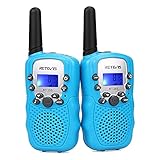 | Retevis RT388 Kids Walkie Talkies, Outdoor Toys for Kids Camping Essentials | Check Price On Amazon |
 | Cobra RX680 Walkie Talkies (2-Pack), IP54 Water Resistant Design | Check Price On Amazon |
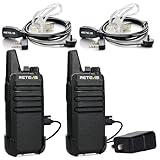 | Retevis RT22 Walkie Talkies Long Range Rechargeable with Earpiece (2 Pack) | Check Price On Amazon |
 | Midland GXT1000VP4 GMRS Two-Way Radios with Headsets, Black, 2 Pack | Check Price On Amazon |
 | Retevis RT628 Walkie Talkies for Kids,Toys Gifts for 6-12 Years Old Boys Girls,Long Range 2 Way Radio 22CH VOX,Birthday Gift,Family Walkie Talkie for Camping Hiking Indoor Outdoor | Check Price On Amazon |