International frequency coordination ensures safe and reliable communications for aircraft crossing borders. These coordination processes prevent radio interference while allowing pilots and air traffic controllers to maintain essential contact throughout international flights. This guide explains the complete regulatory framework, technical requirements, and step-by-step procedures for successful cross-border frequency management in aviation operations.
Understanding the International Regulatory Framework for Aviation Frequencies
The coordination of aviation radio frequencies across international borders operates within a complex hierarchical framework of global, regional, and national authorities. Understanding this structure is essential for any aviation operation crossing national boundaries.
| Photo | Popular Portable Walkie Talkies | Price |
|---|---|---|
 | SKIWARRIOR Multifunctional Smart Wireless Ski Goggles with Walkie-Talkie, Anti-Fog Zeiss Lens, Music & Call Function (Cylindrical Blue) | Check Price On Amazon |
 | SINORISE Super Mini Walkie Talkies, Two-Way Radios, 3 Pack | Up to 12 Hours Battery Life, for Baseball Coaches, Restaurants, Retail Stores, Hospitals, Outdoor Sports & Travel | Check Price On Amazon |
 | KOSPET Tank M4C Smart Watch Rugged, Dual-Band GPS, 5ATM & IP69K Waterproof | 1.96" AMOLED Display, 170+ Sport Modes, Built-in LED Flashlight/Walkie-Talkie, Heart Rate/Sleep Monitor for Android & iPhone | Check Price On Amazon |
 | Retevis RT15 Walkie Talkies 3 Pack, Birthday Gift, Outdoor Adventure Kit | Durable, Lightweight, VOX, Key Lock, Mini Walkie Talkies for Adults, School Family Outdoor Travel Camping Hiking | Check Price On Amazon |
 | Rechargeable Walkie Talkies Toys for Kids: DIY Astronaut Walkie Talkies for Boys Christmas Birthday Gifts for 3 4 5 6 7 8 9 10 Boy Walkie Talkie Outdoor Hiking Toy 2 Way Radio Camping Outdoor Game | Check Price On Amazon |
At the global level, two organizations establish the foundation for aviation frequency management: the International Telecommunication Union (ITU) allocates radio spectrum resources, while the International Civil Aviation Organization develops technical standards for aviation communications. Regional bodies then implement these standards while addressing unique regional challenges, and national authorities enforce regulations within their territories.
This hierarchical system ensures that aircraft can communicate reliably while crossing multiple national airspaces during international flights. The framework also provides mechanisms for resolving interference issues and updating standards as technology evolves.
The International Telecommunication Union (ITU) and Aviation Frequencies
At the apex of radio frequency management worldwide, the International Telecommunication Union (ITU) establishes the fundamental framework within which all aviation communications must operate.
The ITU, as a specialized United Nations agency, maintains the Master International Frequency Register (MIFR), which records all authorized frequency assignments globally. For aviation, this registry is crucial as it provides international recognition and protection for frequencies used in cross-border operations.
Key ITU responsibilities for aviation frequencies include:
- Allocating frequency bands for aeronautical services
- Establishing technical parameters to prevent interference
- Coordinating frequency assignments between countries
- Resolving international interference disputes
- Updating regulations through World Radiocommunication Conferences (WRCs)
Every aviation frequency used internationally must comply with ITU Radio Regulations, making understanding these rules essential for any cross-border operation.
The International Civil Aviation Organization (ICAO) Standards
While the ITU manages the broader radio spectrum, the International Civil Aviation Organization (ICAO) develops specific standards and recommended practices (SARPs) for aviation communications.
ICAO Annex 10, “Aeronautical Telecommunications,” serves as the primary document governing aviation communications worldwide. This comprehensive standard covers:
- VHF communications systems (118-137 MHz band)
- HF communications for long-range operations
- Navigation aids frequency requirements
- Surveillance systems (including radar and ADS-B)
- Technical parameters for equipment certification
ICAO standards ensure that aircraft and ground stations can communicate effectively regardless of national boundaries. These standards form the technical foundation for International Frequency Coordination: Cross-Border Operations by specifying the operational parameters all systems must meet.
Regional and National Regulatory Authorities
Between global standards and local implementation, regional authorities play a crucial coordinating role, particularly in areas with dense cross-border traffic.
Regional coordination bodies handle the practical aspects of frequency coordination among neighboring countries. Their approaches vary significantly based on regional needs:
| Region | Coordination Body | Key Features |
|---|---|---|
| Europe | Eurocontrol | Centralized frequency management database, automated coordination tools |
| North America | FAA/NAV CANADA Bilateral | Streamlined coordination for world’s busiest cross-border airspace |
| Asia-Pacific | ICAO APAC Office | Regional coordination meetings, emphasis on rapidly growing markets |
| Middle East | MIDANPIRG | Focus on congested airspace with close national boundaries |
National authorities ultimately implement these coordinated plans within their borders, balancing international agreements with domestic needs. Operators should maintain current contacts with relevant authorities when planning cross-border operations.
Technical Requirements for Cross-Border Frequency Coordination
Successful cross-border frequency coordination depends on meeting specific technical requirements designed to prevent interference while ensuring reliable communications.
The technical foundations of cross-border coordination center on radio signal behavior and equipment specifications. Key technical parameters that must be specified in coordination requests include:
- Transmitter power output (measured in watts)
- Antenna height above ground level (meters)
- Antenna radiation pattern and gain (dBi)
- Exact geographical coordinates (latitude/longitude)
- Frequency or frequency band requested (MHz)
- Hours of operation and usage patterns
These parameters allow regulatory authorities to calculate potential interference zones using standardized propagation models. For ground stations near borders, reduced power or directional antennas may be required to contain signal coverage within national boundaries. Dual antenna setup benefits might be considered in challenging border regions to improve reliability while maintaining compliance.
Digital systems generally require more detailed technical coordination than analog ones due to their different interference characteristics and often more complex channel assignments.
Required Technical Documentation for Coordination
When submitting a frequency coordination request for cross-border operations, specific technical documentation must be provided to demonstrate compliance with both international standards and neighboring countries’ requirements.
A complete coordination application typically requires:
- Form T1: Basic Station Information Form (station details, coordinates, contact information)
- Form T2: Technical Parameters Form (frequency, power, antenna characteristics)
- Antenna radiation pattern diagrams (in standard electronic format)
- Coverage prediction maps showing signal strength contours
- Equipment certification documentation confirming compliance with ICAO standards
For temporary operations such as special events or short-term tests, simplified forms may be available. However, even temporary operations must provide enough technical detail to evaluate potential interference risks.
Common documentation errors that cause coordination delays include incomplete technical specifications, outdated antenna patterns, and missing equipment certifications. Careful preparation of these documents significantly improves coordination success rates.
Understanding Interference Criteria and Protection Ratios
The core technical objective of frequency coordination is preventing harmful interference between stations, which requires understanding specific interference criteria and protection ratios.
Protection ratio refers to the minimum acceptable ratio between desired signal strength and potential interference. For aviation VHF communications, typical protection ratios range from 14dB to 20dB, depending on the specific service.
This means the desired signal must be at least 14-20 times stronger than any potential interference to ensure reliable communications. Near borders, these ratios create protection zones where special coordination is required.
Geographic factors significantly affect signal propagation and interference potential:
- Mountainous terrain can both block signals and create unexpected propagation paths
- Large bodies of water increase signal propagation, extending potential interference zones
- Tall structures near borders can create signal shadowing or reflection effects
Technical calculations for these scenarios use standardized models, but real-world testing is often needed in complex geographical settings to verify predicted results.
Digital Communication Systems and Modern Coordination Challenges
The transition from analog to digital aviation communication systems has introduced new coordination challenges and opportunities that must be addressed in modern cross-border operations.
Digital systems offer significant benefits for cross-border operations, including improved spectrum efficiency, better voice quality, and enhanced data capabilities. However, they also create new coordination challenges:
| Aspect | Analog VHF | Digital VHF (VDL) |
|---|---|---|
| Channel Spacing | 25 kHz or 8.33 kHz | Multiple modes with varying bandwidth needs |
| Interference Characteristics | Gradual quality degradation | Potential sudden complete loss of communication |
| Coverage Planning | Simple signal strength analysis | Complex data performance metrics |
| Coordination Complexity | Well-established procedures | Evolving standards and mixed equipage |
Countries adopt digital technologies at different rates, creating transition zones where both analog and digital systems must be coordinated simultaneously. This mixed environment presents some of the most challenging coordination scenarios.
The transition to 8.33 kHz channel spacing in Europe demonstrates how phased implementation of new technologies requires careful cross-border coordination to maintain safety during transitions.
Step-by-Step Coordination Process for Cross-Border Operations
Navigating the frequency coordination process for cross-border aviation operations follows a structured procedure that, while potentially time-consuming, ensures safety and regulatory compliance when properly executed.
The complete coordination process typically involves these key steps:
- Initial requirements assessment: Determine operational needs, routes, and coverage areas
- Preliminary frequency selection: Identify potentially suitable frequencies
- Technical analysis: Calculate coverage areas and potential interference zones
- Application preparation: Complete required forms with technical specifications
- Submission to national authority: File application with your primary regulatory body
- International coordination: Your authority forwards request to affected countries
- Response and negotiation: Address comments or objections from foreign authorities
- Final approval: Receive coordination agreements from all affected countries
- Implementation: Deploy and test the coordinated frequency assignment
Timeframes vary significantly by region and complexity. Simple coordination between countries with established relationships might complete in 2-3 months, while complex cases involving multiple countries or congested frequency bands can take 6-12 months or longer.
For emergency or urgent operational needs, expedited procedures exist but typically require strong justification and may involve temporary restrictions.
Pre-Application Assessment and Planning
Before submitting a formal coordination request, operators should complete a thorough pre-application assessment to identify requirements and potential challenges.
This critical planning phase helps avoid costly delays and increases approval probability. Use this pre-application checklist:
- Define operational requirements: Exact coverage needs, hours of operation, traffic volumes
- Identify affected countries: Any country where your signal may be received or that may cause interference to your operation
- Research existing assignments: Check frequency databases for potential conflicts
- Consult equipment specifications: Ensure compatibility with available frequencies
- Review bilateral agreements: Check if simplified procedures exist between relevant countries
- Calculate timeline requirements: Work backward from needed implementation date
For operations near borders, preliminary contact with neighboring authorities can provide valuable insights before formal submission. Many authorities offer pre-coordination consultations to identify potential issues early.
Allow sufficient planning time: most successful coordination efforts begin 6-12 months before the target implementation date.
Preparing and Submitting Coordination Applications
The coordination application is the formal request for frequency assignment recognition across borders, and its proper preparation is critical to avoid delays and rejection.
Application requirements vary by region, but most follow a structure based on ITU formats. Key components typically include:
- Administrative information (operator details, contact information)
- Station location (precise coordinates using WGS-84 datum)
- Technical parameters (frequency, power, antenna characteristics)
- Operational details (hours of operation, service type)
- Supporting technical analysis (interference studies, coverage predictions)
Application submission generally follows a specific channel: operators submit to their national authority, which then forwards the request to neighboring countries through established coordination channels.
Common application errors to avoid include incomplete technical data, unrealistic technical parameters (excessive power or coverage), and missing supporting documentation. These errors typically result in automatic rejection and restart of the coordination timeline.
European operators can access the Eurocontrol SAFIRE system for electronic submission, while North American operators use the NAV CANADA and FAA coordination portal for US-Canada requests.
Responding to Coordination Comments and Modifications
Coordination applications frequently require modifications based on comments from neighboring administrations. Understanding how to respond effectively is crucial for successful coordination.
When receiving coordination comments, follow this response process:
- Analyze the technical basis for the comment or objection
- Determine if modifications are technically feasible
- Prepare technical alternatives that meet your operational needs while addressing concerns
- Respond within specified timeframes (typically 30-60 days)
- Document all changes for final implementation
Common coordination objections include potential interference to existing assignments, technical parameter inconsistencies, and incompatibility with future planning. Each requires a different response strategy.
For difficult cases where direct resolution seems impossible, consider:
- Requesting technical consultation meetings
- Proposing limited testing periods to validate technical predictions
- Suggesting time-sharing arrangements for the frequency
- Requesting mediation from regional coordination bodies
Maintaining professional, technically-focused communication throughout this process significantly improves resolution probability.
Special Considerations for Different Aviation Operation Types
Different types of aviation operations face unique frequency coordination challenges when crossing international borders, requiring specific approaches tailored to their operational characteristics.
The coordination requirements vary significantly based on operation type, aircraft capabilities, and operational patterns:
| Operation Type | Key Coordination Considerations | Special Requirements |
|---|---|---|
| Commercial Air Transport | Regular routes, high reliability needs | Long-term stable assignments, multiple redundant frequencies |
| General Aviation | Varied routes, limited radio equipment | Simplified coordination for temporary operations, clear guidance materials |
| Military in Civil Airspace | Special operational requirements, security concerns | Separate coordination channels, limited technical disclosure |
| Unmanned Aircraft | Control link requirements, beyond visual line of sight operations | Additional spectrum for command and control, contingency planning |
| Helicopters/Low Altitude | Terrain shadowing, limited range needs | Modified protection criteria, specialized coverage analysis |
Special event operations such as major sporting events, air shows, or disaster response require expedited coordination procedures. These typically involve temporary frequency assignments with specific operational dates and special monitoring to quickly resolve any interference issues.
Understanding these operational differences helps tailor the coordination approach to the specific needs of each operation type, improving efficiency and success rates.
Commercial Air Transport Coordination Requirements
Commercial air transport operators typically need to coordinate frequencies for regular routes, which involves specific considerations for consistent and reliable communications across multiple FIRs (Flight Information Regions).
Airlines operating international routes benefit from established coordination channels through:
- IATA frequency coordination working groups that represent airline interests
- Airline operating permits that include communication requirements
- Route-specific coordination packages covering entire flight paths
- Long-term agreements that provide stability for scheduled operations
Major international carriers typically coordinate frequency requirements years in advance of new route implementation, especially when entering regions with congested frequency bands.
For example, when Lufthansa expanded its Asian routes, the airline worked through both IATA and bilateral German-Asian coordination channels to secure reliable VHF coverage along the entire route structure, addressing unique requirements in each airspace segment.
Airlines should incorporate frequency coordination timelines into their route development planning to ensure communications systems are fully approved before operational implementation.
General Aviation and Private Operations
General aviation operators face unique challenges when coordinating frequencies for international flights, often with fewer resources than commercial operators but the same fundamental requirements.
For private pilots and small operators, these simplified coordination approaches help navigate international requirements:
- Use established air routes with pre-coordinated frequencies
- File flight plans early with specific communication needs noted
- Utilize trip planning services that handle coordination requirements
- Carry multiple communication options (VHF, HF, satellite phone)
- Research country-specific requirements well before departure
Organizations like AOPA (Aircraft Owners and Pilots Association) provide valuable resources specifically for general aviation international operations, including country-specific guides and coordination assistance.
Common pitfalls for first-time international operators include assuming domestic communication rules apply internationally, insufficient lead time for coordination, and inadequate documentation of aircraft communication equipment.
For budget-conscious operators, coordination through flying clubs or shared resources with other operators can reduce costs while ensuring compliance.
Unmanned Aircraft Systems (UAS) Cross-Border Considerations
As unmanned aircraft systems increasingly operate across international borders, unique frequency coordination challenges emerge due to their remote control and data link requirements.
UAS operations require coordination for multiple frequency uses:
- Command and control links: Primary control communications with redundancy requirements
- Payload communications: Data, video, and sensor information transmission
- Detection and avoidance systems: Radar or other sensing technologies
- ATC communications: Integration with conventional aviation communications
The regulatory landscape for UAS frequency coordination remains under development in many regions. The ITU World Radiocommunication Conference 2019 (WRC-19) addressed UAS spectrum needs, but implementation varies significantly by region.
Beyond Visual Line of Sight (BVLOS) operations present the most complex coordination challenges, particularly when these operations cross international boundaries. These typically require:
- Satellite communication coordination for remote areas
- Specific technical provisions for lost link procedures
- Coordination of emergency frequencies and procedures
- Enhanced signal security and interference protection
Operators should engage with regulatory authorities regarding frequency restrictions early in mission planning, as UAS coordination can take significantly longer than conventional aircraft coordination.
Case Studies: Successful Cross-Border Coordination Examples
Examining real-world examples of successful frequency coordination provides valuable insights into effective strategies and approaches for complex cross-border scenarios.
These case studies demonstrate how coordination theory translates into practical implementation across different regions and operational contexts.
North American Cross-Border Coordination: US-Canada Case Study
The United States and Canada share one of the world’s busiest airspace boundaries, with established coordination procedures that demonstrate effective bilateral frequency management.
When the Vancouver Air Traffic Control center needed to implement new frequencies for approach control services near the US border, a comprehensive coordination process was required. The process illustrates effective cross-border cooperation:
- Initial technical analysis: NAV CANADA engineers conducted detailed coverage studies showing potential signal propagation into US airspace
- Early consultation: Informal technical discussions with FAA spectrum managers identified potential conflicts before formal submission
- Formal submission: Complete technical package submitted through the established US-Canada coordination channel
- Technical adjustments: Power reductions and antenna pattern modifications addressed potential interference with Seattle approach frequencies
- Coordinated implementation: Synchronized testing and deployment minimized operational impacts
The entire process took approximately four months, relatively fast for international coordination due to the well-established relationship between the two authorities and their streamlined bilateral procedures.
For operators needing US-Canada coordination, the primary contact points are the FAA Spectrum Engineering Office and NAV CANADA Frequency Management Office.
European Cross-Border Coordination in Congested Airspace
European airspace presents some of the most complex coordination challenges due to numerous countries in close proximity, high traffic density, and varying regulatory approaches.
The implementation of new approach frequencies for the expanded Vienna International Airport demonstrates European coordination complexity:
- Multi-country impact: The coordination affected Austria, Slovakia, Hungary, and the Czech Republic due to signal propagation across multiple borders
- Frequency congestion: The already crowded VHF aviation band required creative technical solutions
- Eurocontrol facilitation: The central coordination body provided technical analysis and negotiation support
- Technical solutions: Directional antennas, precise power control, and strategic site locations minimized cross-border impact
- Multilateral agreement: A formal agreement specified exact technical parameters and operational conditions
This case required approximately nine months to complete due to the technical complexity and multiple countries involved. The use of Eurocontrol’s standardized coordination tools and central database significantly streamlined what could have been an even lengthier process.
The European case demonstrates how regional coordination bodies can facilitate complex multi-country coordination that would be challenging through purely bilateral channels.
Troubleshooting Common Coordination Challenges and Problems
Even with careful planning, frequency coordination across borders can encounter obstacles. Understanding common challenges and their solutions helps operators navigate the process effectively.
When coordination issues arise, this problem-solution approach helps resolve them efficiently:
| Problem | Potential Causes | Solution Approach |
|---|---|---|
| Coordination Request Rejection | Incomplete technical data, conflicts with existing assignments | Review rejection reason carefully, address specific technical issues, resubmit with complete documentation |
| Excessive Coordination Delays | Administrative backlog, complex technical analysis required | Formal status inquiries through your national authority, escalation to coordination managers |
| Technical Parameter Disputes | Different calculation methods, disagreement on protection criteria | Technical consultation meetings, third-party analysis, compromise on parameters |
| Post-Implementation Interference | Unanticipated propagation effects, equipment changes | Immediate operational reporting, technical investigation, temporary parameter adjustments |
| Coordination Agreement Expiration | Time-limited approvals, changing technical environment | Track agreement timeframes, initiate renewal process 6 months before expiration |
Escalation procedures vary by region but typically follow this pattern:
- Working-level technical consultation
- Formal request for coordination decision
- Escalation to senior management at respective authorities
- Regional coordination body intervention
- Diplomatic channels (rare but available for critical issues)
For urgent operational needs, most regions have emergency coordination procedures that allow temporary operation while formal coordination continues, but these typically require strong safety justification.
Resolving Coordination Disagreements and Objections
When neighboring administrations object to coordination requests, a structured approach to resolution can help overcome technical and regulatory obstacles.
Follow this systematic process when addressing objections:
- Analyze the specific nature of the objection (technical, operational, regulatory)
- Determine if the objection is based on actual interference potential or procedural concerns
- Develop multiple technical alternatives that might address the concern
- Prioritize solutions based on operational impact and implementation feasibility
- Present alternatives with supporting technical analysis
Technical compromise strategies that often succeed include:
- Reducing transmitter power during specific time periods
- Implementing directional antenna patterns that limit cross-border coverage
- Proposing frequency sharing based on time of day or specific operations
- Adjusting frequency slightly to increase separation from protected assignments
For complex objections, technical consultation meetings with engineers from both administrations often achieve breakthroughs that aren’t possible through document exchanges alone.
If technical resolution appears impossible, consider operational compromises such as modified procedures or alternative communication methods for portions of the operation.
Handling Frequency Interference in Border Regions
When interference occurs in border regions despite coordination efforts, a systematic approach to identification, reporting, and resolution is essential.
Effective interference handling follows this process:
- Identification and documentation: Precisely record interference characteristics:
- Exact time and duration
- Frequencies affected
- Signal characteristics (constant, intermittent, time patterns)
- Operational impact assessment
- Audio recordings if possible
- Initial reporting: Report through both operational channels (ATC supervisors) and technical channels (frequency management office)
- Technical investigation: Monitoring and direction-finding to locate interference source
- International notification: Formal notification through established coordination channels
- Resolution coordination: Technical consultation with affected administrations
- Implementation of solutions: Technical parameter adjustments or operational changes
- Verification and monitoring: Confirm resolution effectiveness
For critical safety-related interference, expedited procedures exist that can resolve issues within hours through direct contact between national frequency managers.
Operators in border regions should maintain current contact information for frequency management offices in neighboring countries to enable rapid response when interference occurs.
Specialized monitoring equipment at key border facilities can provide valuable technical data for resolving complex interference cases by documenting actual signal characteristics rather than relying solely on theoretical models.
Emerging Technologies and Future Trends in Cross-Border Coordination
The landscape of international frequency coordination is evolving rapidly with new technologies that both create challenges and offer solutions for more efficient cross-border operations.
Several key technological trends are reshaping aviation frequency coordination:
- Digital communication transitions: As regions implement digital voice and data systems, coordination must address mixed-mode operations during lengthy transition periods
- Automated coordination systems: Electronic databases and compatibility analysis tools reducing coordination timelines from months to weeks
- Spectrum sharing technologies: Dynamic frequency assignment systems that adapt to actual usage patterns rather than static assignments
- Pressure from 5G and wireless broadband: Increasing demand for spectrum creating pressure on aviation allocations, particularly in L-band and C-band ranges
- Satellite-based solutions: Integration of satellite communications for oceanic and remote operations reducing VHF congestion in high-traffic areas
The 2023 World Radiocommunication Conference addressed several aviation spectrum issues, with outcomes that will shape coordination requirements for the next four years. Key decisions included additional protections for safety-critical aviation bands and new provisions for UAS communications.
Operators should monitor these developments and participate in industry coordination groups to ensure operational needs are represented as new technologies are implemented.
Digital Transformation of Coordination Processes
The coordination process itself is undergoing digital transformation, with electronic application systems and automated compatibility analyses streamlining what was once a paper-intensive procedure.
Modern coordination platforms offer significant advantages:
- Centralized databases of existing assignments provide immediate conflict identification
- Standardized electronic forms ensure complete data submission
- Automated propagation analysis using common models ensures consistent evaluation
- Real-time application tracking shows current status and processing timelines
- Digital record-keeping maintains complete coordination history
Regional implementation varies significantly, with Europe’s Eurocontrol SAFIRE system representing the most advanced implementation. The system handles thousands of coordination cases annually with significantly reduced processing times compared to traditional methods.
In North America, the FAA and NAV CANADA operate an integrated coordination database for US-Canada border regions, while Asia-Pacific countries are in various stages of digital transformation.
Operators should familiarize themselves with the specific electronic systems used in their operating regions and ensure staff are trained on proper electronic submission procedures to benefit from these efficiency improvements.
Spectrum Pressures and Reallocation Challenges
Growing demand for radio spectrum from mobile and wireless broadband services is creating pressure on aviation frequency allocations, requiring strategic approaches to cross-border coordination.
Aviation faces significant spectrum challenges including:
- 5G deployment adjacent to radio altimeter bands creating potential interference concerns
- Pressure to release portions of aeronautical spectrum for commercial wireless use
- Increasing congestion in VHF communications bands in high-traffic regions
- Need to accommodate new aviation systems like UAS and urban air mobility
The aviation industry’s response focuses on several strategies:
- Demonstrating the safety-critical nature of aviation allocations
- Improving spectrum efficiency through digital technologies
- Implementing more sophisticated sharing criteria where appropriate
- Developing technical studies showing compatibility requirements
- Coordinated representation at spectrum management forums
These pressures make international coordination increasingly complex, as each country may take different approaches to balancing aviation needs against commercial demands.
For operators moving communications equipment across borders, these changing regulations also affect import/export requirements, with more countries implementing specific certification processes for aviation communication equipment.
Resources and Tools for Effective Cross-Border Coordination
Successful frequency coordination relies on access to the right resources, tools, and contact information. This comprehensive resource guide provides essential references for any cross-border operation.
These resources support efficient coordination processes:
Essential Documentation and References
These essential regulatory documents and references form the foundation of international frequency coordination knowledge and should be accessible to anyone involved in cross-border operations.
- ITU Radio Regulations: The foundational international treaty governing all radio frequency use (available through ITU publications)
- ICAO Annex 10: Comprehensive standards for aeronautical telecommunications including frequency use (available through ICAO)
- Regional Frequency Plans: Region-specific frequency assignment plans and coordination procedures
- European Frequency Management Manual (Eurocontrol)
- FAA/NAV CANADA Cross-Border Coordination Manual
- APAC Regional Air Navigation Plan
- National Regulations: Country-specific implementation of international standards
- FAA Spectrum Management Regulations (US)
- European Communications Committee (ECC) Decisions
- National frequency tables of allocation
- Technical Standards: Equipment and system specifications
- RTCA/EUROCAE Documents on aviation communication systems
- Aircraft equipment certification standards
Most of these documents are now available in electronic format through the issuing organizations, though some may require subscription or purchase.
Coordination Authority Directory
Knowing who to contact for different coordination needs is essential for efficient processing. This directory provides current contact information for major coordination authorities worldwide.
| Region/Country | Authority | Contact Information | Special Notes |
|---|---|---|---|
| United States | FAA Spectrum Engineering | spectrum@faa.gov | Allow 90 days minimum for coordination |
| Canada | NAV CANADA Frequency Management | frequency@navcanada.ca | Online portal available for registered users |
| Europe | Eurocontrol Frequency Management Cell | freq.management@eurocontrol.int | SAFIRE system for electronic submission |
| Australia | Airservices Australia Frequency Management | frequency.management@airservicesaustralia.com | Covers oceanic regions in South Pacific |
| ICAO Regional | Regional Frequency Management Officers | Available through regional ICAO offices | Facilitates multi-country coordination |
For coordination with countries not listed, contact your national aviation authority first for guidance on established channels.
Most authorities now have electronic submission systems, but requirements vary significantly. Verify current submission requirements before preparing applications as procedures are regularly updated.
Conclusion: Best Practices for Successful International Coordination
Successful international frequency coordination for cross-border aviation operations combines thorough understanding of regulatory requirements, technical precision, and strategic process management.
The most effective coordination efforts consistently apply these best practices:
- Start early: Begin coordination at least 6-12 months before required implementation
- Complete technical homework: Prepare thorough technical analysis addressing all potential concerns
- Build relationships: Establish professional contacts with coordination authorities before urgent needs arise
- Document everything: Maintain complete records of all coordination communications and decisions
- Understand regional differences: Tailor coordination approaches to specific regional requirements
- Stay technically flexible: Prepare alternative technical solutions to address potential objections
- Monitor regulatory developments: Participate in industry groups addressing spectrum and coordination issues
Coordination success ultimately depends on demonstrating that your proposed frequency use can coexist with neighboring operations without causing harmful interference while meeting international technical standards.
By following the frameworks, processes, and technical approaches outlined in this guide, operators can navigate the complex world of International Frequency Coordination: Cross-Border Operations effectively, ensuring regulatory compliance and communication reliability for aviation operations worldwide.
The evolving technological landscape will continue to transform coordination processes, but the fundamental principles of spectrum sharing and interference protection will remain essential to safe and efficient international aviation.
| Photo | TOP RATED WALKIE TALKIES | Price |
|---|---|---|
 | Retevis RT628 Kids Walkie Talkies, Toys Gifts for 4-12 Year Old Girl Boy | Kids Camping Essentials Outdoor Toys, Birthday Gift, 22CH, VOX, Keypad Lock, Durable, Easy to Use Walkie Talkies for Kids | Check Price On Amazon |
 | Cobra ACXT545 Weather-Resistant Walkie Talkies, Rechargeable, 22 Channels | Long Range 28-Mile Two-Way Radio Set (2-Pack) | Check Price On Amazon |
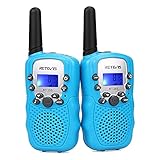 | Retevis RT388 Kids Walkie Talkies, Outdoor Toys for Kids Camping Essentials | 4-12 Year Old Boy Birthday Gift, 22 CH VOX Flashlight Clear Sound, Kids Walkie Talkies 2 Pack for Camping Hiking Adventure | Check Price On Amazon |
 | Cobra RX680 Walkie Talkies (2-Pack), IP54 Water Resistant Design | Rugged & Splashproof Two Way Radios Long Range, 60 Pre-Programmed Channels, Weather Alerts | Check Price On Amazon |
 | Retevis RT22 Walkie Talkies Long Range Rechargeable with Earpiece (2 Pack) | Slim & Lightweight 2 Way Radio For Camping & Hiking, Pocket-Friendly Antenna, Ready to Use, 10-Hour Battery, USB-C Charging | Check Price On Amazon |
 | Midland GXT1000VP4 GMRS Two-Way Radios with Headsets, Black, 2 Pack | 50 Channels, 142 Privacy Codes, Up to 36 Mile Long Range, JIS4 Water Resistant, NOAA Weather Alert, Rechargeable NiMH | Check Price On Amazon |
 | Retevis RT628 Walkie Talkies for Kids,Toys Gifts for 6-12 Years Old Boys Girls,Long Range 2 Way Radio 22CH VOX,Birthday Gift,Family Walkie Talkie for Camping Hiking Indoor Outdoor | Check Price On Amazon |