Temporary operating permits allow foreign-registered aircraft to legally operate in another country’s airspace for short periods. They bridge the regulatory gap for operators planning cross-border flights without permanent authorization. This guide covers everything from application requirements to post-approval compliance, with special attention to radio equipment standards that often cause permit delays.
Understanding Temporary Operating Permits and Special Flight Authorizations
Temporary operating permits, also known as Special Flight Authorizations (SFAs) in the United States, are regulatory approvals that allow foreign-registered aircraft to operate within another country’s airspace for a limited period. These permits ensure aircraft meet local safety standards and comply with national regulations while operating outside their country of registration.
| Photo | Popular Portable Walkie Talkies | Price |
|---|---|---|
 | SKIWARRIOR Multifunctional Smart Wireless Ski Goggles with Walkie-Talkie, Anti-Fog Zeiss Lens, Music & Call Function (Cylindrical Blue) | Check Price On Amazon |
 | SINORISE Super Mini Walkie Talkies, Two-Way Radios, 3 Pack | Up to 12 Hours Battery Life, for Baseball Coaches, Restaurants, Retail Stores, Hospitals, Outdoor Sports & Travel | Check Price On Amazon |
 | KOSPET Tank M4C Smart Watch Rugged, Dual-Band GPS, 5ATM & IP69K Waterproof | 1.96" AMOLED Display, 170+ Sport Modes, Built-in LED Flashlight/Walkie-Talkie, Heart Rate/Sleep Monitor for Android & iPhone | Check Price On Amazon |
 | Retevis RT15 Walkie Talkies 3 Pack, Birthday Gift, Outdoor Adventure Kit | Durable, Lightweight, VOX, Key Lock, Mini Walkie Talkies for Adults, School Family Outdoor Travel Camping Hiking | Check Price On Amazon |
 | Rechargeable Walkie Talkies Toys for Kids: DIY Astronaut Walkie Talkies for Boys Christmas Birthday Gifts for 3 4 5 6 7 8 9 10 Boy Walkie Talkie Outdoor Hiking Toy 2 Way Radio Camping Outdoor Game | Check Price On Amazon |
These authorizations serve as temporary solutions for operators who don’t need permanent certification but require legal permission to conduct specific operations. Without proper permits, operators risk substantial fines, aircraft detention, or even criminal charges in some jurisdictions.
Types of Temporary Operating Permits by Jurisdiction
Different jurisdictions use varying terminology and have distinct requirements for temporary operating permits. This table compares the major permit types across key aviation authorities.
| Jurisdiction | Permit Name | Governing Regulation | Typical Validity | Application Timeline |
|---|---|---|---|---|
| USA (FAA) | Special Flight Authorization | 14 CFR Part 375 | Up to 60 days | 10-30 business days |
| European Union (EASA) | Foreign Operator Permit | Regulation (EU) No 452/2014 | Up to 6 months | 15-45 business days |
| Canada | Foreign Air Operator Certificate | Canadian Aviation Regulations | Up to 12 months | 30-60 business days |
| UK | Foreign Carrier Permit | Air Navigation Order 2016 | Per operation or annual | 20-40 business days |
| Australia | Foreign Aircraft Operation Certificate | Civil Aviation Safety Regulations | Up to 6 months | 15-30 business days |
The regulatory framework differs significantly between jurisdictions. European authorities typically maintain more standardized processes across member states, while the FAA often requires more detailed operational specifications. Canadian authorities focus heavily on safety management systems in their evaluation process.
Permitted Operations Under Temporary Authorizations
Temporary operating permits specify exactly what operations are allowed during the authorization period. These limitations vary by permit type and jurisdiction.
Common permitted operations include:
- Ferry flights for aircraft delivery or maintenance
- Demonstration flights for potential buyers
- Exhibition flights at airshows or events
- Specialty aerial work (photography, surveys)
- Technical stops and positioning flights
- Training flights (with restrictions)
Most temporary permits prohibit cabotage (domestic commercial operations) and scheduled passenger service. Operating beyond authorized parameters can result in immediate permit revocation, substantial fines, and difficulty obtaining future authorizations.
Eligibility Requirements for Temporary Foreign Operating Permits
Before beginning the application process, it’s essential to determine whether your operation qualifies for a temporary permit and which type of authorization you need.
General eligibility criteria across most jurisdictions include:
- Valid aircraft registration in country of origin
- Current airworthiness certificate
- Compliance with ICAO Annex 8 standards
- Valid insurance with appropriate coverage limits
- Qualified flight crew with appropriate licenses
- Valid radio station license and equipment certification
- Legitimate business purpose for the operation
Private operators typically face fewer restrictions than commercial operators, who must demonstrate economic authority and often provide evidence of reciprocal agreements between countries. Operations involving passenger transport face the most stringent requirements.
The purpose of your flight significantly impacts eligibility. Technical stops, private flights, and demonstration flights generally qualify more easily than operations that might compete with local commercial carriers.
Radio Equipment Compliance Requirements by Region
Radio equipment compliance is one of the most critical and often overlooked aspects of temporary operating permits for foreign aircraft. Requirements vary significantly by region and can be grounds for permit denial if not properly addressed.
In North America, aircraft must comply with FCC regulations in the United States and Transport Canada radio approval standards when operating in Canadian airspace. Both require proper equipment certification and licensing. European operations must adhere to EASA standards and often require 8.33 kHz channel spacing capability, particularly when operating above 19,500 feet.
The European 8.33 kHz mandate presents particular challenges for US operators whose equipment may not be compatible with this narrower channel spacing standard. Operators must verify their radio equipment meets this requirement or obtain temporary exemptions before applying for permits.

Frequency allocation differences require particular attention. What works in one region may be prohibited in another due to different frequency assignments. For example, VHF propagation characteristics that work well in one geographical area may require different equipment configurations in another region.
Equipment certification requirements by region:
| Region | Certification Standard | Key Requirements | Common Issues |
|---|---|---|---|
| USA | TSO-C169a | 25 kHz spacing, 760 channels | Outdated equipment certifications |
| Europe | ETSO-2C169a | 8.33 kHz spacing required | Non-compliant channel spacing |
| Canada | TSO-C169a or equivalent | 25 kHz spacing, specific frequency ranges | Missing radio station license |
| Australia | CASA standards | 25 kHz spacing, specific power output | Incorrect frequency programming |
Insurance and Liability Considerations
Operating under a temporary permit often requires specific insurance coverage that differs from standard policies. Failure to secure proper coverage can result in permit denial or liability exposure.
Most jurisdictions require:
- Higher liability limits than domestic operations (often $5-25 million USD)
- Coverage specifically endorsed for foreign operations
- Named additional insureds (local authorities, airports)
- War risk and terrorism coverage in certain regions
- Certificates issued in the format required by local authorities
Insurance certificates must typically name the local aviation authority as an additional insured and include specific language acknowledging jurisdiction in the country of operation. Many standard aviation policies exclude cross-border operations or limit coverage when outside the home country.
Operators should secure proper coverage at least 30 days before application submission, as insurance verification often causes processing delays.
Step-by-Step Application Process for Temporary Operating Permits
The application process for temporary operating permits follows a specific sequence that, when properly executed, maximizes your chances of approval while minimizing delays.
- Determine permit type needed: Based on your aircraft registration, operation type, and destination country, identify the specific authorization required.
- Verify eligibility: Confirm your operation meets all requirements before beginning the application process.
- Gather required documentation: Collect all necessary aircraft, operator, and operational documentation, ensuring everything is current and properly formatted.
- Complete application forms: Fill out all required forms with precise information that matches your supporting documentation exactly.
- Submit insurance certificates: Provide proof of insurance with appropriate coverage limits and endorsements.
- Pay application fees: Submit all required fees in the specified currency and payment method.
- Respond to follow-up inquiries: Be prepared to provide additional information quickly if requested by reviewing authorities.
- Confirm receipt and track status: Use tracking systems where available to monitor application progress.
- Receive and verify permit: Once issued, carefully review the permit for any restrictions or conditions.
Most authorities recommend applying at least 30 days before your planned operation, though complex operations may require 60-90 days. Emergency authorizations are possible in some jurisdictions but typically come with higher fees and limited operational scope.
Essential Documentation for Successful Applications
Preparing the correct documentation is perhaps the most critical factor in securing approval for your temporary operating permit. This comprehensive checklist covers all required documents across major jurisdictions.
- Aircraft Documentation:
- Certificate of Registration
- Standard Airworthiness Certificate
- Noise Certification
- Radio Station License
- Maintenance Records (recent)
- Operator Documentation:
- Air Operator Certificate (commercial operators)
- Operations Specifications
- Pilot Licenses and Qualifications
- Medical Certificates
- Company Registration Documents
- Operational Documentation:
- Detailed Flight Itinerary
- Purpose of Flight Statement
- Intended Airports and Dates
- Security Program (commercial operations)
- Handling Agent Details
- Insurance Documentation:
- Certificate of Insurance
- Proof of Coverage Limits
- Foreign Operation Endorsements
- Additional Insured Certificates
Document authentication requirements vary by country. Some require simple copies, while others demand notarized or apostilled documents. European authorities often accept digital copies, while Asian authorities typically require original documents or certified copies.
Digital Application Systems and Online Submissions
Many aviation authorities now offer digital application systems that can streamline the permit process. This section provides guidance on navigating these online platforms effectively.
The FAA’s Foreign Aircraft Permissions system allows online submission for most SFAs. Creating an account requires basic company information and contact details. Documents must be uploaded in PDF format with file sizes under 5MB each. The system provides automated status updates and maintains historical records of previous applications.
EASA’s Foreign Operator Permit system requires pre-registration with validated credentials before application submission. The platform includes built-in validation checks that identify common errors before submission, reducing rejection rates.
Digital systems offer several advantages over paper applications:
- Faster processing times (typically 20-30% quicker)
- Real-time status tracking
- Automatic error checking
- Document template access
- Historical record maintenance
When using digital systems, keep confirmation numbers and maintain offline copies of all submitted documents. System outages near application deadlines are not uncommon and won’t typically justify emergency processing.
Processing Timelines and Expedited Procedures
Understanding realistic processing timelines is crucial for operational planning when seeking temporary operating permits. These timelines vary significantly by jurisdiction, application type, and seasonal factors.
| Jurisdiction | Standard Processing | Expedited Processing | Emergency Processing | Peak Season Impact |
|---|---|---|---|---|
| USA (FAA) | 10-15 business days | 3-5 business days ($750 fee) | 24-48 hours (case-by-case) | Add 5-10 days (summer) |
| European Union | 15-30 business days | 5-10 business days (varies) | 48-72 hours (limited) | Add 7-14 days (summer) |
| Canada | 30 business days | 10 business days ($500 fee) | 24-72 hours (limited) | Add 5-7 days (summer) |
| UK | 20-25 business days | 7-10 business days (£400 fee) | 48 hours (restricted ops) | Add 5-10 days (summer) |
| Australia | 15-20 business days | 5-7 business days (AUD$700) | 24-48 hours (humanitarian) | Minimal seasonal impact |
Real-world experience suggests adding 25-50% to official processing times for planning purposes. Applications submitted during major airshows, holidays, or summer peak season face significant delays.
Expedited processing options exist in most jurisdictions but typically double or triple the standard application fees. They also receive increased scrutiny, so documentation must be flawless to avoid delays.
Coordinating with Multiple Regulatory Authorities
Temporary foreign operations often require coordination with multiple regulatory authorities beyond aviation agencies, including customs, immigration, and security. Effective coordination is essential for smooth operations.
For a typical international flight, operators must coordinate with:
- Civil Aviation Authority (operating permits)
- Customs and Border Protection (entry clearance)
- Immigration (crew and passenger entry)
- Security agencies (background checks)
- Airport authorities (landing slots, parking)
- Air Traffic Services (flight plans, routes)
The most efficient approach follows a specific sequence. First, secure the aviation operating permit, then address customs and immigration requirements, followed by airport-specific arrangements. Security requirements should be addressed early as they often have the longest lead times.
Document sharing between agencies varies by country. In the US and Canada, agencies have integrated systems that share information. In contrast, many Asian countries require separate submissions to each authority with no information sharing.
Customs and Immigration Requirements for Foreign Operations
Beyond aviation permits, foreign operations require compliance with customs and immigration procedures that have their own distinct requirements and timelines.
In the United States, the Electronic Advance Passenger Information System (eAPIS) requires submission at least 60 minutes before departure for all international flights. Failure to comply can result in penalties up to $5,000 for first violations.
European entry requirements vary by country but generally include:
- General Declaration (GenDec) forms
- Passenger manifests submitted 24 hours in advance
- Crew ID requirements (passports, visas if applicable)
- Agricultural and customs declarations
- Prior permission for non-Schengen arrivals
Border agencies often have strict validation procedures that can delay operations if not properly completed. Pre-clearance options at designated airports can simplify the process but require additional advance coordination.
Common Issues and Troubleshooting Guide
Even with careful preparation, operators seeking temporary permits may encounter challenges. This troubleshooting guide addresses the most common issues and provides proven solutions.
Documentation Discrepancies
Problem: Minor differences between aircraft documentation and application forms often trigger rejections.
Solution: Conduct a side-by-side comparison of all documents before submission, ensuring complete consistency in registration numbers, serial numbers, and company names.
Radio Equipment Compliance
Problem: Aircraft radio equipment fails to meet local standards, particularly regarding frequency spacing or power output.
Solution: Verify compliance well in advance. For temporary operations, some authorities will accept limited exemptions with operational restrictions if requested during application.
Insurance Coverage Gaps
Problem: Standard insurance policies often contain territorial limitations or exclusions for foreign operations.
Solution: Secure a policy endorsement specifically covering the intended operations and territories, with documentation explicitly stating foreign coverage.
Processing Delays
Problem: Applications submitted too close to operational dates face rejection or cause operational disruptions.
Solution: Submit applications at least 30-45 days before operations. For recurring operations, consider annual permits where available instead of single-trip authorizations.
Operational Changes
Problem: Changes to itinerary, aircraft, or crew after permit issuance may invalidate the authorization.
Solution: Most authorities allow amendments for minor changes. Submit amendment requests immediately when changes occur, with supporting documentation.
Emergency Procedures and Contingency Planning
Operations under temporary permits occasionally face emergency situations requiring immediate action. Having a contingency plan for permit-related issues is as important as standard aviation emergency procedures.
When facing technical issues requiring an unplanned landing:
- Prioritize flight safety above permit considerations
- Notify ATC of the situation and permit status
- After landing, contact the local civil aviation authority immediately
- Provide documentation of the emergency and your existing permit
- Request temporary authorization for the emergency stop
For medical emergencies, most countries have provisions allowing diversion without prior authorization. Post-landing, operators must still contact authorities to regularize the aircraft’s status.
Always carry contact information for aviation authorities, diplomatic missions, and assistance services in countries along your route. A comprehensive communication plan should include alternatives like satellite phones when operating in remote areas where reliable cellular service isn’t guaranteed. Having durable communication equipment is essential for emergency situations.
Post-Approval Requirements and Compliance
Receiving your temporary operating permit is not the end of the compliance process. Several post-approval requirements must be followed to maintain validity and ensure trouble-free operations.
During operations, you must:
- Carry the original permit (or authenticated copy) onboard
- Adhere strictly to all operational limitations specified
- Maintain radio communication protocols required by local regulations
- Complete all required arrival and departure notifications
- Keep detailed records of all operations conducted
- Report any deviations from approved operations immediately
Some jurisdictions require post-operation reports detailing actual flights conducted, particularly for commercial operations. These reports typically must be submitted within 7-14 days after permit expiration.
Violations of permit conditions can result in immediate revocation, fines, and blacklisting from future authorizations. The most common violations include operating beyond approved dates, deviating from approved airports, and conducting unapproved commercial activities.
Country-Specific Requirements for Major Aviation Markets
While the general process for temporary permits follows similar patterns, each country has specific requirements, nuances, and cultural considerations that operators should understand.
United States
The FAA issues Special Flight Authorizations under 14 CFR Part 375. Applications must be submitted through the Foreign Aircraft Permissions System. Private operations typically receive streamlined processing, while commercial operations face additional Department of Transportation requirements. Digital voice transmission standards are strictly enforced for all radio equipment.
European Union
EASA coordinates permits across member states, but individual countries may impose additional requirements. The EU prioritizes standardized documentation and emphasizes environmental compliance, including noise restrictions and emissions standards. 8.33 kHz radio channel spacing is mandatory in most airspace.
United Kingdom
Post-Brexit, the UK operates its own Foreign Carrier Permit system administered by the CAA. Applications require more detailed operational information than many other jurisdictions. The UK maintains strict compliance verification, with ramp inspections common for first-time operators.
Canada
Transport Canada’s Foreign Air Operator Certificate process emphasizes safety management systems. Canadian authorities also strictly enforce radio equipment standards, requiring compliance with both technical specifications and licensing requirements.
Australia
CASA’s Foreign Aircraft Operations Certificate focuses heavily on remote operations capability and emergency procedures given Australia’s vast outback regions. Applications require detailed information about communication capabilities in remote areas.
Specialized Operations and Mission-Specific Permits
Certain specialized operations require additional considerations and sometimes different permit types. This section addresses permit requirements for unique mission profiles.
Aerial Survey and Photography: These operations typically require specialized permits addressing low-altitude operations, special equipment installations, and data collection restrictions. Many countries restrict aerial photography of government facilities, infrastructure, and military installations.
Air Ambulance and Humanitarian Flights: Most jurisdictions offer expedited processing for genuine medical or humanitarian missions. Documentation of medical necessity from healthcare providers is typically required. Some countries waive fees for humanitarian operations.
Exhibition and Air Show Participation: Display flights require additional safety documentation, including maneuver descriptions, safety plans, and pilot qualification evidence. These permits often involve both aviation authorities and local event organizers.
Experimental Aircraft: Non-standard aircraft face additional scrutiny. Applications must include comprehensive technical documentation, special operating limitations, and often require engineering evaluations of airworthiness.
Conclusion and Additional Resources
Navigating the complex world of temporary operating permits requires attention to detail, advance planning, and understanding of multiple regulatory frameworks. By following the guidance in this comprehensive resource, operators can significantly increase their chances of successful applications while avoiding common pitfalls.
The key to success lies in thorough preparation, especially regarding radio equipment compliance, meticulous documentation, and realistic timeline planning. Remember that each jurisdiction has unique requirements that must be carefully addressed in your application strategy.
For assistance with specific situations, contact the relevant aviation authority directly or consult with specialized aviation service providers who routinely handle temporary permit applications.
| Photo | TOP RATED WALKIE TALKIES | Price |
|---|---|---|
 | Retevis RT628 Kids Walkie Talkies, Toys Gifts for 4-12 Year Old Girl Boy | Kids Camping Essentials Outdoor Toys, Birthday Gift, 22CH, VOX, Keypad Lock, Durable, Easy to Use Walkie Talkies for Kids | Check Price On Amazon |
 | Cobra ACXT545 Weather-Resistant Walkie Talkies, Rechargeable, 22 Channels | Long Range 28-Mile Two-Way Radio Set (2-Pack) | Check Price On Amazon |
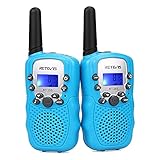 | Retevis RT388 Kids Walkie Talkies, Outdoor Toys for Kids Camping Essentials | 4-12 Year Old Boy Birthday Gift, 22 CH VOX Flashlight Clear Sound, Kids Walkie Talkies 2 Pack for Camping Hiking Adventure | Check Price On Amazon |
 | Cobra RX680 Walkie Talkies (2-Pack), IP54 Water Resistant Design | Rugged & Splashproof Two Way Radios Long Range, 60 Pre-Programmed Channels, Weather Alerts | Check Price On Amazon |
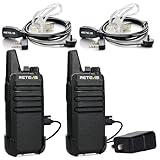 | Retevis RT22 Walkie Talkies Long Range Rechargeable with Earpiece (2 Pack) | Slim & Lightweight 2 Way Radio For Camping & Hiking, Pocket-Friendly Antenna, Ready to Use, 10-Hour Battery, USB-C Charging | Check Price On Amazon |
 | Midland GXT1000VP4 GMRS Two-Way Radios with Headsets, Black, 2 Pack | 50 Channels, 142 Privacy Codes, Up to 36 Mile Long Range, JIS4 Water Resistant, NOAA Weather Alert, Rechargeable NiMH | Check Price On Amazon |
 | Retevis RT628 Walkie Talkies for Kids,Toys Gifts for 6-12 Years Old Boys Girls,Long Range 2 Way Radio 22CH VOX,Birthday Gift,Family Walkie Talkie for Camping Hiking Indoor Outdoor | Check Price On Amazon |