Poor radio transmission is frustrating and dangerous in aviation. You press the mic button, speak clearly, yet nobody responds. This comprehensive guide identifies why others can’t hear your transmissions clearly and provides step-by-step solutions for both technical and technique problems. Follow these proven fixes to ensure your critical messages are always received loud and clear.
Is It You or Your Equipment? Understanding Radio Transmission Fundamentals
Before diving into specific problems, it’s essential to understand how aircraft radio transmissions work and what factors influence clarity. Aviation radios use VHF (Very High Frequency) signals that travel in a relatively straight line, following “line of sight” principles. This means your transmission range depends largely on altitude and terrain.
| Photo | Popular Portable Walkie Talkies | Price |
|---|---|---|
 | SKIWARRIOR Multifunctional Smart Wireless Ski Goggles with Walkie-Talkie, Anti-Fog Zeiss Lens, Music & Call Function (Cylindrical Blue) | Check Price On Amazon |
 | SINORISE Super Mini Walkie Talkies, Two-Way Radios, 3 Pack | Up to 12 Hours Battery Life, for Baseball Coaches, Restaurants, Retail Stores, Hospitals, Outdoor Sports & Travel | Check Price On Amazon |
 | KOSPET Tank M4C Smart Watch Rugged, Dual-Band GPS, 5ATM & IP69K Waterproof | 1.96" AMOLED Display, 170+ Sport Modes, Built-in LED Flashlight/Walkie-Talkie, Heart Rate/Sleep Monitor for Android & iPhone | Check Price On Amazon |
 | Retevis RT15 Walkie Talkies 3 Pack, Birthday Gift, Outdoor Adventure Kit | Durable, Lightweight, VOX, Key Lock, Mini Walkie Talkies for Adults, School Family Outdoor Travel Camping Hiking | Check Price On Amazon |
 | Rechargeable Walkie Talkies Toys for Kids: DIY Astronaut Walkie Talkies for Boys Christmas Birthday Gifts for 3 4 5 6 7 8 9 10 Boy Walkie Talkie Outdoor Hiking Toy 2 Way Radio Camping Outdoor Game | Check Price On Amazon |
The basic transmission path works like this: Your voice enters the microphone, gets converted to electrical signals, amplified by the radio, transformed into radio waves by the transmitter, sent through coaxial cables to your antenna, and then broadcast outward. Any weakness in this chain can compromise your transmission power and clarity.
Three main categories affect transmission quality:
- Operator technique (how you use the equipment)
- Equipment issues (from microphone to antenna)
- Environmental factors (terrain, weather, distance)
Understanding the difference between transmission and reception problems is crucial. If you can hear others but they can’t hear you, that’s a transmission problem. If you can’t hear others but they can hear you, that’s a reception problem.
Diagnostic Approach: Is Anyone Receiving Me?
When faced with transmission problems, use this systematic approach to diagnose the issue before assuming equipment failure.
- Verify the problem exists: Ask for a radio check from multiple stations. Use standard phraseology: “Radio check on 122.8”
- Determine consistency: Is the problem happening with all stations or just distant ones?
- Rule out environmental factors: Try transmitting from a different location or altitude
- Isolate equipment variables: Try a different headset if available
- Test with minimal components: Remove adapters or extensions that might cause issues
- Check power indicators: Observe radio display for proper transmission indication
Testing on the ground differs from testing in air. Ground testing is best done with another aircraft or ground station at a distance, while airborne testing provides better assessment of transmission range. In both cases, verify with multiple receiving stations whenever possible to rule out receiver-specific issues.
Microphone Technique: The Most Common Culprit
The single most common reason others can’t hear you clearly is improper microphone technique – a problem easily fixed with no tools required. Many pilots place the microphone too far from their mouth or speak too quietly, resulting in transmissions that are difficult to understand.
Proper microphone positioning follows the “1-2 finger rule”: position the microphone 1-2 finger widths from your lips, slightly off to the side to avoid breathing directly into it. Speaking directly into the microphone with clear, measured speech dramatically improves transmission clarity.
Common technique errors include:
- Speaking too softly or too loudly
- Positioning the microphone too far away (especially common with boom mics)
- Not pressing the Push-to-Talk (PTT) button completely
- Starting to speak before fully pressing the PTT
- Releasing the PTT before finishing your transmission
For high-noise environments, speaking slightly louder than normal (without shouting) and keeping the microphone closer to your lips can help overcome cabin noise. Some headsets also have adjustable microphone gain settings that can be optimized for your voice and cockpit conditions.
PTT (Push-to-Talk) Problems
The Push-to-Talk switch is a critical but often overlooked component that can cause transmission failures when not functioning properly. PTT switches come in various forms: yoke-mounted, hand-held, or integrated into headset cables.
Common PTT issues include:
- Stuck buttons: May cause partial keying or no keying at all
- Intermittent connections: Causing broken transmissions
- Worn contacts: Resulting in unreliable operation
- Corrosion: Common in older PTT switches
To test PTT functionality, listen for the audio muting or sidetone when pressed. For hand-held or external PTT switches, inspect the cables for pinching or fraying. Simple fixes include cleaning contacts with electrical contact cleaner or securing loose connections. For yoke-mounted PTTs, check for obstructions or binding in the mechanism.
Transmitter Keying Issues
Even when you press the PTT switch correctly, the radio may not properly “key” or activate the transmitter – here’s how to identify and resolve these issues.
When you press PTT, your radio should indicate transmission is occurring (usually via a display icon or light). If this indication appears but others still can’t hear you, the problem lies elsewhere in the system. If the indication doesn’t appear, there’s a keying issue between your PTT and the radio.
Common causes include:
- Worn connectors between PTT and radio
- Improper impedance matching in headset adapters
- Incorrect wiring in custom installations
- Intercom systems blocking radio access
Many aircraft intercom systems require proper PTT sequencing to switch from intercom to radio transmission. If your intercom system isn’t properly detecting the PTT action, your voice may be routed only to the intercom and never reach the radio.
Aircraft Electrical System Issues Affecting Radio Performance
Your aircraft’s electrical system directly impacts radio transmission power and clarity. Here’s how to identify when electrical problems are affecting your radio.
Radio transmitters require significant power during transmission – more than during reception. This means a marginal electrical system might allow normal reception but fail during transmission attempts. To check if electrical issues are affecting transmission, observe your voltage meter during transmissions. A healthy system should maintain voltage above 12V (24V in some aircraft) while transmitting.
Common electrical issues affecting radio performance include:
- Low voltage: Causes reduced transmitter power output
- Alternator/generator problems: May cause voltage drop during transmission
- Battery condition: Aging batteries cannot provide sufficient current
- Circuit breaker issues: Partial trips or high resistance in circuits
- Grounding problems: Poor ground connections cause noise and reduced power
Aircraft with emergency battery backup systems may have different power characteristics when operating on main power versus backup power. Always test transmission on both power sources during preflight if your aircraft has this capability.
To diagnose grounding issues, check for corrosion at ground points and ensure all ground straps are secure. Proper grounding is essential for both transmission power and audio clarity.
Radio Equipment Problems: Diagnosing Hardware Issues
When technique and electrical systems have been ruled out, it’s time to examine the radio equipment itself for potential problems.
Modern aircraft radios consist of several components that can fail independently:
- Transmitter circuit board: Generates the RF signal
- Audio circuits: Process voice before transmission
- Frequency control system: Maintains correct broadcast frequency
- Power amplifier: Boosts the signal for transmission
- Display and control circuits: Allow user interface
Symptoms specific to radio transmitter problems include:
- Radio gets warm but no transmission indicator
- Transmission indicator lights but no one can hear you
- Transmission works but at greatly reduced range
- Distorted or garbled audio reports from receivers
- Intermittent transmissions that cut in and out
Age-related issues are common in older radios. Components like electrolytic capacitors degrade over time, especially in the hot environment of aircraft panels. This degradation can cause reduced power output or audio quality problems.
Power output testing requires specialized equipment, but some avionics shops can measure this during routine maintenance. For panel-mount radios, professional servicing is usually required for internal issues. Handheld radios might be user-serviceable depending on the model, but most repairs still require professional service.
Squelch Settings and Their Impact on Transmission
While primarily affecting reception, improper squelch settings can indirectly cause transmission problems by creating confusion about whether you’re being heard.
Squelch functions by muting the radio speaker when no signal is present, reducing cockpit noise. However, setting squelch too high can mask weak incoming transmissions, making you think your outgoing transmissions aren’t being heard when the actual problem is that you can’t hear responses.
To properly adjust squelch:
- Turn squelch control fully counterclockwise until you hear constant noise
- Slowly turn clockwise until the noise just disappears
- Leave the control at this threshold position
In busy airspace or areas with frequent transmissions, you may need to adjust squelch multiple times as conditions change. If you suspect transmission problems, temporarily open the squelch completely to ensure you’re not missing incoming transmissions.
Audio Quality Problems: Volume, Distortion, and Clarity
Transmission power isn’t just about signal strength – audio quality significantly impacts whether others can understand you clearly. Audio system cleaning and maintenance is essential for clear communication.
Common audio quality issues include:
- Distortion: Usually caused by speaking too loudly, microphone gain too high, or damaged audio circuits
- Low volume: Results from speaking too softly, microphone positioned incorrectly, or low microphone gain settings
- Muffled sound: Often due to microphone windscreens or covers being worn or dirty
- Background noise: Caused by poor noise-cancelling or high cockpit noise
Intercom systems can complicate radio transmissions if not properly configured. Some systems may cut off the beginning of transmissions (clipping) or fail to properly route audio to the radio. Check intercom VOX (Voice Activated) settings if you experience transmission clipping.
Noise-cancelling technology in aviation headsets can sometimes interfere with your own voice recognition, making you speak differently than normal. Try monitoring your voice through sidetone (if available) to maintain natural speech patterns.
Antenna System Problems: The Critical Link
Your antenna system is perhaps the most critical component affecting transmission power and range. Here’s how to identify and resolve antenna-related issues.
The antenna system consists of several components:
- The antenna itself (usually external to the aircraft)
- Coaxial cable connecting radio to antenna
- Connectors at both ends of the cable
- Ground plane (the conductive surface the antenna works against)
Common antenna failures include:
- Physical damage from weather or strikes
- Corroded connectors causing high resistance
- Water ingress into coaxial cables
- Cracked insulators at antenna base
- Broken internal connections
Coaxial cable issues significantly affect power transfer. Old or damaged cables may look fine externally but have internal problems like broken shields or water contamination. Visual inspection should check for proper mounting, absence of corrosion, and physical integrity of all components.
Aircraft construction materials impact antenna performance. Metal aircraft provide excellent ground planes, while composite aircraft may require special ground plane installations. Installation considerations for radio systems vary significantly between aircraft types.
For antenna problems, some visual inspections and connector cleaning can be performed by owners, but most repairs require professional service. Standing Wave Ratio (SWR) measurements, which indicate antenna system efficiency, require specialized equipment and training.
Environmental and Situational Factors Affecting Transmission
Even with perfect equipment and technique, environmental factors can significantly impact whether others can hear your transmissions clearly.
Aircraft position and altitude dramatically affect transmission range. VHF communications are generally limited to line-of-sight. At 1,000 feet AGL, theoretical range is about 39 miles. At 10,000 feet, this extends to about 122 miles. However, actual range varies based on receiver sensitivity and transmitter power.
Terrain effects include:
- Mountains blocking signals in specific directions
- Urban areas creating signal reflections and multipath interference
- Valleys limiting line-of-sight to receivers
Weather rarely affects VHF communications directly, but heavy precipitation can slightly reduce range. More significantly, weather-related pilot workload may impact communication technique and clarity.
Frequency congestion is a growing problem in busy airspace. When multiple transmissions occur simultaneously, receivers may capture the strongest signal while ignoring others. To overcome this:
- Listen carefully before transmitting
- Keep transmissions brief and precise
- Wait a moment if you suspect simultaneous transmissions
- Use the phrase “transmitting in the blind” if you suspect reception issues
Preventative Maintenance: Keeping Your Radio System in Top Condition
Regular preventative maintenance of your radio system can prevent transmission problems before they occur. Here’s a comprehensive maintenance schedule and checklist.
For every flight (preflight check):
- Perform radio check with ground station
- Verify all headset connections are secure
- Check PTT function before takeoff
- Verify battery/electrical system voltage
Every 100 hours or annual inspection:
- Inspect all antenna mounts and connections
- Check coaxial cables for wear, especially at strain relief points
- Clean headset plugs and jacks with appropriate cleaner
- Test transmission power (if equipment available)
- Verify proper squelch operation across frequency range
Document all radio issues and maintenance in the aircraft logbook. This history helps identify recurring problems and can be valuable for troubleshooting intermittent issues. Note any gradual changes in performance, as these often indicate developing problems that can be addressed before complete failure.
Equipment Considerations: Upgrades, Replacements, and Alternatives
When troubleshooting and maintenance aren’t enough, it may be time to consider equipment upgrades or replacements. Here’s what you need to know.
Modern digital aviation radios offer several advantages over older analog units:
| Feature | Modern Digital | Legacy Analog |
|---|---|---|
| Power Efficiency | Higher efficiency | Lower efficiency |
| Reliability | Fewer mechanical components | More failure-prone parts |
| Frequency Stability | Excellent | Varies with temperature |
| Audio Processing | Advanced filtering | Basic or none |
When deciding between repair and replacement, consider that modern replacements often cost less than repairing vintage equipment, especially when factoring in improved reliability and features. However, digital signals affect AM transmission differently than analog, which may influence your decision.
For supplementary communication options, consider:
- Handheld backup radios with dedicated batteries
- Intercom systems with separate power sources
- Secondary panel-mount radios on different electrical buses
For experimental or homebuilt aircraft, you have more flexibility in radio installation but must ensure compliance with relevant regulations. Consider autopilot integration with your radio system if your aircraft has both systems.
When to Seek Professional Help: Finding Qualified Avionics Technicians
While many radio issues can be resolved by pilots, some problems require professional expertise. Here’s how to know when to call in the experts.
Seek professional help when:
- Transmissions are completely absent despite proper technique
- Range has significantly decreased and basic troubleshooting hasn’t helped
- Intermittent issues persist that you cannot diagnose
- Any signs of electrical burning or unusual odors from radio equipment
- After any lightning strike or severe static electricity event
When selecting an avionics technician, look for:
- FAA Repair Station certification
- Experience with your specific radio model
- Recommendations from other pilots
- Ability to perform both on-aircraft diagnostics and bench repairs
Before taking your aircraft in, document specific symptoms thoroughly: when they occur, how frequently, and what conditions seem to trigger the issue. This documentation helps technicians diagnose problems more efficiently.
Professional diagnostic services typically cost $100-300, with repairs ranging from $300 for minor issues to $1,000+ for major repairs or replacements. Battery life considerations should be part of any professional assessment of radio problems.
Radio Communication Best Practices: Beyond Equipment Considerations
Even with perfectly functioning equipment, following these radio communication best practices will significantly improve how clearly others hear and understand you.
- Prepare before transmitting: Know what you’re going to say before pressing PTT
- Use standard phraseology: Standard terms are designed for clarity
- Speak at moderate pace: Not too fast, not too slow
- Use proper cadence: Group related information together with natural pauses
- Maintain consistent volume: Avoid trailing off at sentence ends
- Enunciate clearly: Particularly numbers and letters
- Use phonetic alphabet: Alpha, Bravo, Charlie, etc. for critical letters
- Monitor before transmitting: Ensure frequency is clear
High-workload phases of flight can compromise communication quality. Practice communications during simulator sessions or mental rehearsals to develop muscle memory for proper technique under stress.
For non-native English speakers, focusing on clear pronunciation of numbers, altitudes, and headings is particularly important. Speaking slightly slower with careful enunciation improves comprehension without sounding unnatural.
Quick Reference Guide: Transmission Problem Symptoms and Solutions
Use this quick reference guide to rapidly identify and resolve transmission problems based on specific symptoms.
| Symptom | Likely Causes | Solutions |
|---|---|---|
| No one can hear you at any distance | PTT failure, Radio failure, Microphone failure | Check PTT, Try different headset, Verify radio power |
| Reduced transmission range | Low power output, Antenna issues, Electrical system weakness | Check voltage during transmission, Inspect antenna system, Verify connections |
| Garbled or distorted transmissions | Speaking too loudly, Mic too close, Audio circuit issues | Adjust speaking volume, Reposition mic, Check connections |
| Transmissions cut out intermittently | Loose connections, Intermittent PTT, Worn cabling | Secure all connections, Replace PTT if needed, Check cable integrity |
| First words cut off | Speaking before full PTT press, VOX timing issues | Press PTT fully before speaking, Adjust intercom VOX settings |
| Background noise overwhelms voice | Poor noise-cancelling, Cockpit noise, Mic position | Reposition mic, Speak louder, Check headset NC function |
For most symptoms, begin with the simplest possible fixes (technique, connections) before proceeding to more complex solutions requiring tools or professional help.
Conclusion: Ensuring Clear Communications for Safety and Efficiency
Clear radio communications are not just about convenience—they’re fundamental to aviation safety and operational efficiency. By understanding the complete transmission chain from your voice to the receiver, you can systematically identify and resolve problems that prevent others from hearing you clearly.
Remember that most transmission problems stem from simple issues: improper technique, loose connections, or basic electrical problems. Developing good habits through regular practice and preventative maintenance will prevent most issues before they become serious.
When problems do occur, follow the systematic approach outlined in this guide to quickly restore clear communications. And when in doubt, don’t hesitate to seek professional assistance – the safety benefits of reliable communication far outweigh the costs of proper maintenance and repair.
| Photo | TOP RATED WALKIE TALKIES | Price |
|---|---|---|
 | Retevis RT628 Kids Walkie Talkies, Toys Gifts for 4-12 Year Old Girl Boy | Kids Camping Essentials Outdoor Toys, Birthday Gift, 22CH, VOX, Keypad Lock, Durable, Easy to Use Walkie Talkies for Kids | Check Price On Amazon |
 | Cobra ACXT545 Weather-Resistant Walkie Talkies, Rechargeable, 22 Channels | Long Range 28-Mile Two-Way Radio Set (2-Pack) | Check Price On Amazon |
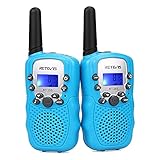 | Retevis RT388 Kids Walkie Talkies, Outdoor Toys for Kids Camping Essentials | 4-12 Year Old Boy Birthday Gift, 22 CH VOX Flashlight Clear Sound, Kids Walkie Talkies 2 Pack for Camping Hiking Adventure | Check Price On Amazon |
 | Cobra RX680 Walkie Talkies (2-Pack), IP54 Water Resistant Design | Rugged & Splashproof Two Way Radios Long Range, 60 Pre-Programmed Channels, Weather Alerts | Check Price On Amazon |
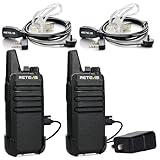 | Retevis RT22 Walkie Talkies Long Range Rechargeable with Earpiece (2 Pack) | Slim & Lightweight 2 Way Radio For Camping & Hiking, Pocket-Friendly Antenna, Ready to Use, 10-Hour Battery, USB-C Charging | Check Price On Amazon |
 | Midland GXT1000VP4 GMRS Two-Way Radios with Headsets, Black, 2 Pack | 50 Channels, 142 Privacy Codes, Up to 36 Mile Long Range, JIS4 Water Resistant, NOAA Weather Alert, Rechargeable NiMH | Check Price On Amazon |
 | Retevis RT628 Walkie Talkies for Kids,Toys Gifts for 6-12 Years Old Boys Girls,Long Range 2 Way Radio 22CH VOX,Birthday Gift,Family Walkie Talkie for Camping Hiking Indoor Outdoor | Check Price On Amazon |