
Aircraft electrical systems create unique challenges for radio equipment. Voltage spikes can destroy expensive avionics in seconds, potentially causing $5,000-$20,000 in damage. This guide explains how voltage regulators protect your aviation radio investment from power surges, covering selection criteria, installation requirements, and maintenance procedures to prevent costly failures and ensure reliable communication.
Understanding Voltage Regulation in Aircraft Electrical Systems
Aircraft electrical systems operate in a unique environment that creates specific challenges for maintaining stable power to sensitive avionics. Most aircraft use either 12V or 24V electrical systems that must supply consistent power to various equipment while handling significant load variations during different flight phases.
| Photo | Popular Portable Walkie Talkies | Price |
|---|---|---|
 | SKIWARRIOR Multifunctional Smart Wireless Ski Goggles with Walkie-Talkie, Anti-Fog Zeiss Lens, Music & Call Function (Cylindrical Blue) | Check Price On Amazon |
 | SINORISE Super Mini Walkie Talkies, Two-Way Radios, 3 Pack | Up to 12 Hours Battery Life, for Baseball Coaches, Restaurants, Retail Stores, Hospitals, Outdoor Sports & Travel | Check Price On Amazon |
 | KOSPET Tank M4C Smart Watch Rugged, Dual-Band GPS, 5ATM & IP69K Waterproof | 1.96" AMOLED Display, 170+ Sport Modes, Built-in LED Flashlight/Walkie-Talkie, Heart Rate/Sleep Monitor for Android & iPhone | Check Price On Amazon |
 | Retevis RT15 Walkie Talkies 3 Pack, Birthday Gift, Outdoor Adventure Kit | Durable, Lightweight, VOX, Key Lock, Mini Walkie Talkies for Adults, School Family Outdoor Travel Camping Hiking | Check Price On Amazon |
 | Rechargeable Walkie Talkies Toys for Kids: DIY Astronaut Walkie Talkies for Boys Christmas Birthday Gifts for 3 4 5 6 7 8 9 10 Boy Walkie Talkie Outdoor Hiking Toy 2 Way Radio Camping Outdoor Game | Check Price On Amazon |
Normal aircraft electrical systems include several key components:
- Battery: Provides starting power and emergency backup
- Alternator/Generator: Produces electricity during operation
- Bus system: Distributes power to various aircraft systems
- Avionics bus: Supplies clean power to sensitive electronics
Voltage issues commonly affecting aircraft include:
- Spikes: Brief, high-voltage events often occurring during startup
- Surges: Longer-duration overvoltage conditions
- Drops: Periods of undervoltage that can affect operation
- Transients: Rapid voltage fluctuations during load changes
According to FAA Advisory Circular 43.13-1B, proper voltage regulation is essential for maintaining airworthiness of electrical systems. Studies show that up to 65% of avionics failures can be traced to electrical system irregularities, making Voltage Regulators: Protecting Your Investment from Power Surges a critical consideration for aircraft owners.
How Voltage Fluctuations Damage Aviation Radios
Aviation radios contain sensitive electronic components that can be permanently damaged by even momentary voltage spikes. Modern avionics combine sophisticated digital processing with analog radio frequency circuits, creating multiple vulnerability points:
- Integrated circuits: Can fail instantly when voltage exceeds design limits
- Filter capacitors: May degrade gradually with repeated voltage stress
- Display components: Often first to show damage symptoms
- Memory systems: Can corrupt configuration data during power events
Digital radios, while offering advanced features, are typically more vulnerable to voltage issues than older analog equipment. Their microprocessors and memory systems require stable, clean power within narrow specifications. Choosing the right radio for your electrical system involves understanding these power requirements thoroughly.
Damage patterns fall into two categories:
- Immediate failure: Components catastrophically fail during a significant event
- Cumulative degradation: Performance gradually deteriorates after multiple minor events
Types of Voltage Regulation and Protection Devices for Aviation
Several types of voltage regulation and protection devices are available for aircraft, each with specific advantages and applications. Understanding these options helps pilots and aircraft owners make informed protection decisions.
| Device Type | Protection Method | Best For | Price Range |
|---|---|---|---|
| Linear Voltage Regulators | Constant voltage output regardless of input fluctuations | Steady-state regulation | $100-300 |
| Transient Voltage Suppressors | Clamp voltage spikes by diverting excess current | Spike protection | $75-200 |
| Crowbar Circuits | Short circuit power when voltage exceeds threshold | Catastrophic overvoltage | $150-350 |
| Filter/Conditioning Units | Clean power by filtering noise and stabilizing voltage | Overall power quality | $200-500 |
TSO-certified devices have undergone rigorous testing to meet FAA standards but cost significantly more than non-TSO alternatives. For certified aircraft, TSO approval may be required, while experimental aircraft owners have more flexibility in their choices.
Protection Devices: OEM vs. Aftermarket Solutions
When selecting voltage protection for your aircraft, you’ll need to choose between manufacturer-specific solutions and universal aftermarket devices.
OEM Solutions:
- Pros: Designed specifically for your radio model, often integrated into installation, may preserve warranty
- Cons: Higher cost, limited availability for older equipment, vendor lock-in
Aftermarket Solutions:
- Pros: More cost-effective, often protect multiple devices, greater selection, frequently updated technology
- Cons: May affect equipment warranty, installation complexity, fit issues in some aircraft
Popular aftermarket brands include Guardian Avionics, Mid-Continent Instruments, and Garmin Power Protection, each offering specific advantages for different aircraft types. Cost comparisons show aftermarket solutions typically saving 30-50% compared to OEM options while providing comparable protection.
For experimental aircraft, where temporary operating permits may be needed, choosing solutions with flexible installation options becomes particularly important.

Selecting the Right Voltage Protection for Your Aviation Radios
Choosing the appropriate voltage protection system depends on your aircraft’s electrical configuration, the types of radios installed, and your typical operations. This decision process requires evaluating several key factors:
- Aircraft Type Considerations:
- Certified aircraft require FAA-approved solutions with proper documentation
- Experimental aircraft allow greater flexibility but still need reliable protection
- Vintage aircraft may need specialized solutions compatible with older electrical systems
- Radio Equipment Assessment:
- Panel-mount radios typically require more robust protection than portable units
- Digital glass panel systems need protection for both power and data integrity
- Mixed analog/digital installations may require multiple protection approaches
- Operational Profile:
- IFR operations demand higher reliability standards than VFR-only flying
- Remote area flying increases the consequences of communication failure
- Commercial operations have different regulatory requirements than private use
Budget considerations must balance initial costs against potential repair expenses. For a typical panel-mount com radio installation, spending $200-300 on quality voltage protection can prevent $2,000-3,000 in potential damage, offering a clear return on investment.
Understanding Protection Specifications and Ratings
Voltage protection devices come with various specifications that directly impact their effectiveness in aircraft applications. Key specifications include:
- Voltage threshold: The point at which protection activates (typically 14.8V for 12V systems, 29.5V for 24V systems)
- Response time: How quickly the device reacts to voltage events (measured in milliseconds)
- Handling capacity: Maximum current the device can safely manage (typically 5-30 amps)
- Recovery behavior: Automatic reset or manual intervention required after activation
For aviation applications, minimum requirements generally include response times under 10 milliseconds and handling capacity appropriate for the connected equipment load. Different radio types have specific requirements. For example, navigation systems often need lower voltage thresholds than communication radios due to their greater sensitivity.
Understanding manufacturer datasheets requires attention to these key parameters rather than marketing claims. The most important specifications will depend on your specific installation and risk factors.
Installation Best Practices for Voltage Regulation Systems
Proper installation of voltage regulation devices is critical to their effectiveness and compliance with aviation standards. Following these step-by-step procedures ensures optimal protection:
- Pre-Installation Planning:
- Document existing electrical system layout
- Identify optimal protection device location (as close to protected equipment as practical)
- Verify sufficient space and mounting options
- Required Tools and Materials:
- Wire cutters/strippers
- Crimping tools for aviation-grade terminals
- Heat shrink tubing
- Proper gauge wire (typically 18-22 AWG for avionics protection)
- Mounting hardware appropriate for aircraft
- Installation Steps:
- Disconnect aircraft battery
- Mount protection device securely to aircraft structure
- Install appropriate circuit breaker if not already present
- Run wires with proper routing and strain relief
- Connect device between power source and protected equipment
- Secure all connections with appropriate terminals
- Testing Procedures:
- Verify all connections before reconnecting battery
- Check voltage levels at protected equipment
- Test operation of all protected systems
- Document installation in aircraft records
Wire gauge selection is critical: undersized wires can create voltage drops and generate heat, while proper routing prevents electromagnetic interference from affecting radio performance. The voice quality of communications can be significantly affected by improper electrical installations.
DIY vs. Professional Installation Considerations
While some voltage protection installations can be owner-performed, others require professional expertise and certification. Understanding these distinctions helps avoid regulatory issues:
| Aspect | Owner-Performed | Professional Required |
|---|---|---|
| Legal Authority | Preventive maintenance items per FAR 43 Appendix A | Modifications affecting aircraft certification |
| Typical Tasks | External filters, portable device protection | Panel integration, circuit modifications |
| Documentation | Logbook entry as owner maintenance | 337 Form for major alterations |
| Approximate Cost | Parts cost only | $200-500 labor plus parts |
The cost difference between DIY and professional installation must be weighed against legal requirements and your technical comfort level. Professional installation typically costs $75-150 per hour plus parts, while DIY approaches save labor but require time and proper tools.
Regardless of installation approach, proper documentation is essential. All modifications must be recorded in the aircraft logbook with appropriate references to any approved data used for the installation.
Maintenance and Testing of Voltage Protection Systems
Once installed, voltage protection systems require periodic testing and maintenance to ensure continued effectiveness. Following a regular maintenance schedule prevents protection failures:
- Annual Inspections:
- Visual inspection of all connections and mounting
- Voltage measurement at protected equipment
- Functional testing of protection response (when equipment allows)
- Verification of circuit breaker operation
- 100-Hour Inspections:
- Quick visual check of connections
- Verification of normal voltage readings
- Pre-Flight Checks:
- Normal radio operation verification
- Listen for unusual noise or interference
- Check for normal voltage indications
Testing equipment should include a digital multimeter capable of measuring voltage accurately. For advanced testing, specialized equipment like a variable power supply can verify protection activation thresholds.
Most protection devices should be replaced every 5-7 years even if no issues are apparent, as internal components can degrade over time. European and North American aviation radio systems may have different maintenance requirements based on regulatory variations.
Detecting Voltage Regulation Problems Before They Cause Damage
Several warning signs can indicate potential voltage regulation issues before they cause expensive damage to your aviation radios. Early detection saves thousands in repair costs:
- Visual Warning Signs:
- Flickering displays or dimming lights during engine power changes
- Intermittent radio display anomalies
- Circuit breakers that feel warm to touch
- Operational Warning Signs:
- Radio resets during engine power adjustments
- Unusual static or noise in communications
- Inconsistent reception quality
- Saved settings that mysteriously change
- Instrument Indications:
- Ammeter showing unusual charging patterns
- Voltmeter readings outside normal range (13.8-14.2V for 12V systems)
- Erratic voltage indications during load changes
Simple testing procedures for pilots include monitoring voltage during engine power changes and checking for consistent radio performance throughout flight phases. Any unexplained radio behavior warrants investigation before flying again.
Emergency Procedures for Voltage Regulation Failures
Knowing how to respond to voltage regulation failures during flight can prevent expensive damage and enhance safety. Follow these procedures when electrical issues arise:
- Recognition:
- Abnormal voltmeter readings (below 12V or above 15V in 12V systems)
- Multiple electrical systems showing issues simultaneously
- Circuit breakers popping or electrical burning smell
- Immediate Actions:
- Reduce electrical load by turning off non-essential equipment
- If overvoltage: disconnect alternator/generator if safe to do so
- If undervoltage: reduce radio transmissions to conserve battery
- Monitor remaining battery capacity via voltage readings
- Radio Protection Priority:
- Maintain one communication radio as primary
- Cycle other avionics on only when needed
- Use lowest power settings for transmissions
- Consider switching to backup or handheld radio
- Landing Considerations:
- Divert to nearest suitable airport if necessary
- Plan approach to minimize electrical requirements
- Brief emergency procedures for potential complete electrical failure
After any in-flight electrical issue, compliance verification of equipment is essential before the next flight. A thorough inspection by a qualified mechanic must identify and correct the root cause of the problem.
Real-World Case Studies: Lessons from Voltage-Related Radio Failures
Examining actual incidents of voltage-related avionics damage provides valuable insights into effective protection strategies. These case studies highlight common failure modes and prevention opportunities:
Case Study 1: Alternator Failure Cascade
A Cessna 182 experienced alternator failure during a cross-country flight. The pilot continued operation on battery power, but voltage gradually dropped below 11V. The digital navigation system failed first, followed by the primary communication radio. Post-incident analysis revealed that a simple low-voltage disconnect system would have preserved the primary radio functionality by shutting down less critical systems automatically.
Cost Impact: $3,800 for radio repairs, $1,200 for alternator replacement
Prevention Cost: $350 for low-voltage management system
Case Study 2: Startup Voltage Spike
A Piper Arrow owner reported intermittent GPS database corruption after normal engine starts. Investigation revealed voltage spikes exceeding 16V during startup when the battery was being recharged after cranking. A transient voltage suppressor installed between the avionics bus and GPS unit eliminated the problem entirely.
Cost Impact: $600 for database reloading and diagnostics
Prevention Cost: $175 for transient suppression device
Case Study 3: Maintenance-Induced Damage
During routine maintenance, a mechanic accidentally connected a ground power unit with incorrect voltage to a Mooney M20. The resulting overvoltage damaged two communication radios and the audio panel. Investigation showed that an inline crowbar circuit would have prevented the damage by immediately cutting power when voltage exceeded safe limits.
Cost Impact: $7,200 for avionics replacement
Prevention Cost: $290 for crowbar protection circuit
These cases consistently demonstrate that modest investments in voltage protection yield significant returns through damage prevention and enhanced reliability. Search and rescue communication can be critically compromised by radio failures, making protection especially important for aircraft operating in remote areas.
Environmental Factors Affecting Voltage Regulation in Aircraft
Aircraft operate in diverse environmental conditions that can significantly impact electrical system performance and voltage regulation. Understanding these factors helps develop comprehensive protection strategies:
- Temperature Effects:
- Cold temperatures (below 20°F): Battery capacity reduced by up to 50%
- High temperatures (above 100°F): Increased risk of voltage regulator malfunction
- Rapid temperature changes: Thermal stress on electrical components
- Altitude Considerations:
- Reduced air density affects cooling of electrical components
- Lower air pressure reduces electrical insulation properties
- Higher risk of arcing in switches and connections above 10,000 feet
- Humidity Impacts:
- High humidity accelerates corrosion of electrical connections
- Condensation can cause short circuits in avionics
- Seasonal humidity changes require adjusted maintenance schedules
- Geographic Considerations:
- Coastal operations: Increased corrosion from salt exposure
- Desert operations: Static electricity and dust infiltration
- Arctic/tropical operations: Extreme temperature management
Seasonal maintenance adjustments should include more frequent inspection of voltage regulation systems during extreme weather transitions. Aircraft operated in harsh environments may require specialized protection solutions with environmental ratings appropriate to their operating conditions.
Cost-Benefit Analysis: Protection Investment vs. Potential Damage
Determining the right investment in voltage protection requires weighing installation costs against potential damage expenses and operational impacts. This analysis helps aircraft owners make financially sound decisions:
| Aircraft Category | Protection Cost | Potential Damage | ROI Ratio |
|---|---|---|---|
| Basic VFR Single-Engine | $350-700 | $2,500-5,000 | 7:1 |
| IFR-Equipped Single | $700-1,200 | $5,000-12,000 | 10:1 |
| Twin-Engine Aircraft | $1,000-1,800 | $8,000-20,000 | 11:1 |
| Glass Cockpit Systems | $1,500-2,500 | $15,000-30,000 | 12:1 |
Beyond direct repair costs, aircraft owners must consider additional financial impacts:
- Downtime costs: Lost rental income or business usage ($200-500 per day)
- Trip interruption expenses: Alternative transportation, accommodations
- Insurance implications: Potential premium increases after claims
- Residual value impact: Avionics damage history affecting resale value
For most aircraft, comprehensive voltage protection systems pay for themselves if they prevent even a single moderate damage event. The ROI calculation becomes even more favorable for aircraft used in commercial operations where reliability directly impacts revenue.
Future Trends in Aviation Electrical System Protection
Advancements in aviation electrical systems and protection technology continue to evolve, offering new opportunities for enhanced radio protection. These emerging trends will shape future protection strategies:
- Integrated Monitoring Systems: Real-time voltage monitoring with data logging and alert capabilities, allowing trend analysis before failures occur
- Smart Protection Devices: Microprocessor-controlled systems that adapt to different flight phases and electrical loads
- Remote Diagnostics: Cloud-connected systems that allow maintenance technicians to evaluate electrical system health remotely
- Predictive Analytics: AI-based systems that identify patterns indicating developing electrical issues
- Energy Storage Buffers: Supercapacitor and advanced battery technologies that provide seamless power during transient events
Regulatory trends indicate increasing focus on electrical system reliability, particularly for aircraft used in IFR operations. The FAA continues to update guidance on acceptable means of compliance for avionics protection, potentially making some protection measures mandatory rather than optional in the future.
Current installations can be future-proofed by selecting systems with upgrade paths and standardized interfaces. Modular protection approaches allow incremental improvements without complete system replacement as technology advances.
Conclusion: Ensuring Long-Term Protection for Your Aviation Radios
Protecting your aviation radio investment from voltage issues requires a thoughtful approach to selection, installation, and maintenance. The evidence clearly shows that proactive protection measures deliver substantial financial and safety benefits.
Key takeaways from this guide include:
- Select protection based on your specific aircraft electrical system and operational needs
- Choose between OEM and aftermarket solutions based on your budget and certification requirements
- Follow proper installation procedures whether doing it yourself or hiring a professional
- Maintain and test protection systems regularly to ensure continued effectiveness
- Know how to respond to electrical emergencies to minimize damage and maintain safety
- Consider environmental factors when designing your protection strategy
For further information, consult your aircraft maintenance manual, avionics manufacturer documentation, and FAA Advisory Circular 43.13-1B. Consider joining type-specific owner groups where electrical system experiences are frequently shared.
The modest investment in quality voltage regulation protection will pay dividends through extended equipment life, enhanced reliability, and significant cost avoidance. Most importantly, it ensures your communication systems remain operational when you need them most.
| Photo | TOP RATED WALKIE TALKIES | Price |
|---|---|---|
 | Retevis RT628 Kids Walkie Talkies, Toys Gifts for 4-12 Year Old Girl Boy | Kids Camping Essentials Outdoor Toys, Birthday Gift, 22CH, VOX, Keypad Lock, Durable, Easy to Use Walkie Talkies for Kids | Check Price On Amazon |
 | Cobra ACXT545 Weather-Resistant Walkie Talkies, Rechargeable, 22 Channels | Long Range 28-Mile Two-Way Radio Set (2-Pack) | Check Price On Amazon |
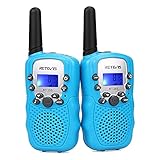 | Retevis RT388 Kids Walkie Talkies, Outdoor Toys for Kids Camping Essentials | 4-12 Year Old Boy Birthday Gift, 22 CH VOX Flashlight Clear Sound, Kids Walkie Talkies 2 Pack for Camping Hiking Adventure | Check Price On Amazon |
 | Cobra RX680 Walkie Talkies (2-Pack), IP54 Water Resistant Design | Rugged & Splashproof Two Way Radios Long Range, 60 Pre-Programmed Channels, Weather Alerts | Check Price On Amazon |
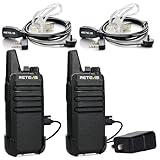 | Retevis RT22 Walkie Talkies Long Range Rechargeable with Earpiece (2 Pack) | Slim & Lightweight 2 Way Radio For Camping & Hiking, Pocket-Friendly Antenna, Ready to Use, 10-Hour Battery, USB-C Charging | Check Price On Amazon |
 | Midland GXT1000VP4 GMRS Two-Way Radios with Headsets, Black, 2 Pack | 50 Channels, 142 Privacy Codes, Up to 36 Mile Long Range, JIS4 Water Resistant, NOAA Weather Alert, Rechargeable NiMH | Check Price On Amazon |
 | Retevis RT628 Walkie Talkies for Kids,Toys Gifts for 6-12 Years Old Boys Girls,Long Range 2 Way Radio 22CH VOX,Birthday Gift,Family Walkie Talkie for Camping Hiking Indoor Outdoor | Check Price On Amazon |