
International flights require specific documentation that proves the legal status of your aircraft and crew. These documents verify airworthiness, operator qualifications, and compliance with international regulations. Having the right paperwork properly organized not only ensures regulatory compliance but also prevents costly delays and potential legal issues during your journey across borders.
Essential Documentation Requirements for International Flight
Before crossing international boundaries, both aircraft and crew must carry specific documentation. These documents establish legal airworthiness, operator qualifications, and compliance with international aviation standards. Proper certificate carriage is mandatory under international aviation law and required at all entry points.
| Photo | Popular Portable Walkie Talkies | Price |
|---|---|---|
 | SKIWARRIOR Multifunctional Smart Wireless Ski Goggles with Walkie-Talkie, Anti-Fog Zeiss Lens, Music & Call Function (Cylindrical Blue) | Check Price On Amazon |
 | SINORISE Super Mini Walkie Talkies, Two-Way Radios, 3 Pack | Up to 12 Hours Battery Life, for Baseball Coaches, Restaurants, Retail Stores, Hospitals, Outdoor Sports & Travel | Check Price On Amazon |
 | KOSPET Tank M4C Smart Watch Rugged, Dual-Band GPS, 5ATM & IP69K Waterproof | 1.96" AMOLED Display, 170+ Sport Modes, Built-in LED Flashlight/Walkie-Talkie, Heart Rate/Sleep Monitor for Android & iPhone | Check Price On Amazon |
 | Retevis RT15 Walkie Talkies 3 Pack, Birthday Gift, Outdoor Adventure Kit | Durable, Lightweight, VOX, Key Lock, Mini Walkie Talkies for Adults, School Family Outdoor Travel Camping Hiking | Check Price On Amazon |
 | Rechargeable Walkie Talkies Toys for Kids: DIY Astronaut Walkie Talkies for Boys Christmas Birthday Gifts for 3 4 5 6 7 8 9 10 Boy Walkie Talkie Outdoor Hiking Toy 2 Way Radio Camping Outdoor Game | Check Price On Amazon |
According to the International Civil Aviation Organization (ICAO), all international flights must carry certain mandatory documents. These requirements create a standardized system for verifying aircraft and crew credentials worldwide.
Aircraft Documentation
Your aircraft must carry these essential documents:
- Certificate of Registration: Proves the nationality and ownership of the aircraft
- Certificate of Airworthiness: Confirms the aircraft meets safety standards
- Radio Station License: Authorizes the operation of radio equipment onboard. Requirements vary by country, with Transport Canada having specific radio approval and equipment certification standards different from other jurisdictions.
- Noise Certificate: Verifies compliance with noise standards
- Insurance Certificate: Proves adequate liability coverage
- Operations Specifications: Details operational authorizations and limitations
- Minimum Equipment List (MEL): Lists equipment that may be inoperative while maintaining safe operation
- Weight and Balance Documentation: Confirms proper loading within limits
Crew Documentation
Flight crew members must carry:
- Pilot Licenses/Certificates: Proves qualifications to operate aircraft
- Medical Certificates: Confirms medical fitness to fly
- Radio Operator Permits: Authorizes communication equipment usage
- Logbooks: Documents flight experience and currency
- Passports: Required for international identification
- Visas: Required for entry into certain countries
Operational Documentation
Additional operational documents include:
- Flight Plan: Details route, altitude, and other flight specifics
- General Declaration: Provides flight and crew information to authorities
- Journey Logbook: Records flight details and any incidents
- Passenger Manifest: Lists all persons aboard
- Cargo Manifest: Details goods being transported
Most aviation authorities require original documents rather than copies. Always check specific country requirements before departure, as some nations have additional documentation demands beyond ICAO standards.
Regional Variations in Documentation Requirements
While ICAO establishes baseline documentation standards, individual countries and regions often impose additional requirements. Understanding these regional variations is essential for smooth international operations.
North American Requirements
When flying to the United States, Canada, or Mexico, be aware of these specific requirements:
- United States: Requires eAPIS (Electronic Advance Passenger Information System) submission before crossing borders
- Canada: Mandates CANPASS for private aircraft and specific customs notification timeframes
- Mexico: Requires a Multiple Entry Authorization and specific insurance coverage
- Caribbean Nations: Often require customs pre-notification and specific overflight/landing permits
European Requirements
European operations have distinct documentation needs:
- EU/EASA Countries: Require standardized documentation under EASA regulations
- UK (Post-Brexit): Has specific entry requirements different from EU standards
- Non-EU European Countries: Often have unique permit requirements that must be arranged in advance
Asia-Pacific Requirements
Flying in the Asia-Pacific region presents unique challenges:
- China: Requires detailed flight plans and permits with substantial lead time
- Japan: Mandates specific customs procedures and documentation
- Australia: Enforces strict biosecurity documentation in addition to standard requirements. Australia has implemented CASA standards and type acceptance procedures that must be followed for aircraft entering their airspace.
- Southeast Asian Nations: Often require country-specific overflight and landing permits
Middle East and Africa Requirements
These regions often have the most complex documentation processes:
- Middle Eastern Countries: Frequently require security clearances and special permits
- African Nations: Often need diplomatic clearances and have unique documentation formats
- Regional Airspace Blocks: May require specific authorizations for transit
Always research destination-specific requirements at least 30 days before your planned flight. Many countries have recently updated their documentation requirements, and failure to comply can result in denied entry or significant penalties.
| Region | Special Documents Required | Lead Time | Format Requirements |
|---|---|---|---|
| North America | eAPIS, CANPASS | 24-72 hours | Electronic preferred |
| Europe | EU-OPS forms, TCO authorization | 3-10 days | Electronic or original |
| Asia-Pacific | Landing permits, security forms | 7-14 days | Original documents with stamps |
| Middle East/Africa | Diplomatic clearances, security permits | 14-30 days | Original documents with authentication |
Electronic Documentation: International Acceptance and Best Practices
As aviation moves toward digital solutions, electronic documentation offers convenience but requires careful attention to international acceptance standards and validation requirements.
Electronic documentation for international flights has gained broader acceptance in recent years. The FAA’s Final Rule on Electronic Documentation now permits digital formats for many required documents. However, international acceptance varies significantly by region and document type.

Global Acceptance Status
Electronic documentation acceptance varies worldwide:
- Widely Accepted: Flight plans, weather briefings, NOTAMs
- Partially Accepted: Aircraft manuals, charts, operations specifications
- Limited Acceptance: Certificates of registration, airworthiness certificates
- Rarely Accepted: Crew licenses, medical certificates, permits
Technical Requirements for Valid Electronic Documentation
For electronic documentation to be legally valid, it must meet these criteria:
- Accessible without internet connectivity
- Protected from unauthorized modification
- Stored on a dedicated device with backup power
- Easily viewable by inspection authorities
- Contain all required signatures and validations
Best Practices for Electronic Documentation
When using electronic documentation for international flights:
- Always carry physical backups of critical documents like registrations and licenses
- Use dedicated apps designed for aviation documentation management
- Ensure documents are pre-loaded and accessible in offline mode
- Test document display on your device before departure
- Check destination country requirements for electronic documentation acceptance
Popular electronic flight bag applications that support documentation management include ForeFlight, Garmin Pilot, and Jeppesen FliteDeck. These platforms offer secure storage and quick retrieval of essential documents.
Practical Document Organization and Verification Systems
Effective document organization is not just about compliance. It creates a system that allows for quick verification, reduces stress, and ensures nothing is overlooked during your international operations.
Physical Documentation Systems
For traditional paper documentation:
- Use a dedicated binder with labeled dividers for different document categories
- Implement color-coding for quick identification of document types
- Place most frequently requested documents in front sections
- Use plastic sheet protectors to prevent damage
- Include a master checklist at the front of your binder
Digital Organization Systems
For electronic documentation:
- Create a logical folder structure mirroring physical organization
- Use consistent file naming conventions (Example: “N12345_Registration_Exp2025”)
- Maintain a master index document with hyperlinks
- Implement document expiration alerts
- Use cloud backup with offline access capability
Pre-Flight Verification Timeline
Implement this verification schedule before international flights:
- 90 Days Before: Review all documentation for upcoming expirations
- 60 Days Before: Apply for or renew any documentation expiring within 6 months
- 30 Days Before: Research destination-specific requirements
- 14 Days Before: Organize all required documentation in your system
- 7 Days Before: Conduct complete documentation audit with another person
- Day Before: Final verification of all documentation and permits
- Day of Flight: Quick-reference check using master checklist
This systematic approach ensures you have adequate time to address any documentation issues before they become urgent.
Troubleshooting Documentation Issues for International Flight
Even with careful preparation, documentation issues can arise before or during international operations. Knowing how to address these challenges can mean the difference between a minor inconvenience and a major disruption.
Common Documentation Problems and Solutions
Problem: Expired Document Discovered Before Departure
Solution: Contact your aviation authority immediately for expedited renewal. Many authorities have procedures for urgent document replacement. Keep digital copies of your application and approval emails to show authorities if necessary.
Problem: Document Lost or Damaged During Trip
Solution: Contact your home country’s embassy or consulate for assistance. Report lost documents to local authorities and obtain a police report. Request temporary operating authorization through diplomatic channels. For operators needing short-term solutions, temporary operating permits for short-term foreign operations can sometimes be obtained through expedited processes.
Problem: Documentation Rejected by Foreign Authorities
Solution: Request specific reasons for rejection. Contact your aviation authority for validation assistance. Prepare to show supporting documentation or regulatory references proving validity.
Problem: Language Barrier Issues with Documentation
Solution: Carry certified translations of key documents when operating in non-English speaking countries. Use translation apps for real-time assistance. Contact your handler or embassy for translation support.
Emergency Resources
Keep these contacts available for documentation emergencies:
- Your aviation authority’s emergency contact number
- Embassy/consulate contacts for countries on your itinerary
- Your aircraft insurance provider’s international assistance line
- Your trip handler’s 24-hour support number
- International aviation attorney contacts
Real-World Case Study
A U.S.-registered Gulfstream operator discovered their radio license had expired while in Singapore. They contacted the FCC’s emergency weekend service, obtained electronic authorization, and had their handler print and deliver the documentation to customs authorities. This proactive approach prevented a potential three-day delay.
The lesson: Establish relationships with handlers at your destination who can assist with documentation issues, and know your home country’s emergency documentation procedures before departure.
Special Operations and Flight Type Documentation Requirements
Different types of flight operations have distinct documentation requirements for international operations that go beyond standard requirements.
Private vs. Commercial Operation Requirements
| Documentation Type | Private Operations | Commercial Operations |
|---|---|---|
| Operations Specifications | Not typically required | Required with detailed authorizations |
| Insurance Requirements | Basic international coverage | Higher liability limits with specific endorsements |
| Crew Documentation | Standard licenses and medicals | Additional training records and qualifications |
| Passenger Documentation | Basic manifest | Detailed manifest with additional information |
Charter Flight Documentation
Charter operations require these additional documents:
- Air Operator Certificate (AOC)
- Commercial operating permits for each country
- Cabotage compliance documentation
- Enhanced security program documentation
- Specific charter agreements and authorizations
Flight Training Documentation
International flight training operations need:
- Training program approvals
- Student pilot authorizations
- Instructor qualifications documentation
- Special training airspace authorizations
- Training aircraft documentation supplements
Aerial Work and Special Mission Documentation
Specialized operations require unique documentation:
- Special Purpose Operator Certificate
- Mission-specific authorizations
- Equipment certification documents
- Special insurance endorsements
- Crew special qualification records
Always research the specific requirements for your operation type well in advance. Many special operations require additional lead time for documentation approval, sometimes 45-60 days before the planned flight.
International Flight Documentation Checklist: Your Pre-Departure Guide
This comprehensive checklist brings together all documentation requirements in a practical, actionable format that you can use to prepare for any international flight.
Aircraft Documentation Checklist
- Certificate of Registration
- Certificate of Airworthiness
- Radio Station License
- Noise Certificate
- Insurance Certificate with international endorsements
- Maintenance Records (recent inspections)
- MEL (if applicable)
- Weight and Balance Documents
- Aircraft Flight Manual
- Journey Logbook
Crew Documentation Checklist
- Pilot Licenses/Certificates
- Medical Certificates
- Radio Operator Permits
- Passport (validity at least 6 months beyond trip end date)
- Visas (if required)
- Crew Member Certificates
- Logbooks showing currency
- Verification of English language proficiency
Operational Documentation Checklist
- Filed Flight Plan
- Weather Briefing Documentation
- NOTAMs
- General Declaration Forms
- Passenger Manifest
- Cargo Manifest (if applicable)
- Customs Forms
- Landing Permits
- Overflight Permits
- eAPIS Confirmation (for US operations)
Special Documentation Checklist
- Operations Specifications (commercial operations)
- Air Operator Certificate (commercial operations)
- TCO Authorization (for European operations)
- Specific Country Permits
- Special Mission Authorizations
Pre-Departure Timeline
- 60 Days Before: Apply for all permits and check document expirations
- 30 Days Before: Confirm all permit approvals and document renewals
- 14 Days Before: Organize documentation in physical or electronic system
- 7 Days Before: Verify all documentation is current and organized
- 1 Day Before: Final check of all documentation and permits
- Day of Flight: Ensure all documentation is accessible during flight
Use this checklist for every international flight and customize it based on your specific destinations and operation type. Maintaining this systematic approach will ensure certificate carriage requirements are always met.
Understanding the Legal Foundation: ICAO, Article 33, and International Standards
The international documentation system is built on a foundation of agreements and standards that govern aviation globally. Understanding this legal framework provides context for the requirements you must meet.
The Chicago Convention
The Convention on International Civil Aviation (Chicago Convention) of 1944 established the fundamental principles governing international air transport. Article 33 specifically addresses the recognition of certificates and licenses.
Key provisions include:
- Recognition of certificates of airworthiness issued by the state of registry
- Recognition of personnel licenses issued by the state of registry
- Requirement that certificates and licenses meet or exceed ICAO standards
- Right of states to refuse recognition if standards differ
ICAO’s Role in Documentation Standardization
The International Civil Aviation Organization (ICAO) develops the Standards and Recommended Practices (SARPs) that establish minimum documentation requirements. These are published in the Annexes to the Chicago Convention.
Key Annexes affecting documentation include:
- Annex 1: Personnel Licensing
- Annex 2: Rules of the Air
- Annex 6: Operation of Aircraft
- Annex 7: Aircraft Nationality and Registration
- Annex 8: Airworthiness of Aircraft
Legal Consequences of Documentation Non-Compliance
Failure to comply with documentation requirements can result in:
- Denied entry into foreign airspace
- Aircraft detention
- Monetary penalties
- Revocation of operating privileges
- Insurance coverage issues
- Personal liability for pilots and operators
Understanding the legal foundation of certificate carriage requirements helps operators recognize the importance of proper documentation and the potential consequences of non-compliance.
Frequently Asked Questions About International Flight Documentation
What is the minimum documentation required for all international flights?
All international flights must carry certificate of registration, certificate of airworthiness, appropriate licenses for each crew member, journey logbook, radio station license, passenger manifest (if carrying passengers), and cargo manifest (if carrying cargo). These requirements come directly from ICAO Annex 6.
Can I use electronic copies of my aircraft documentation?
Electronic documentation acceptance varies by country and document type. Critical documents like registrations and airworthiness certificates are still required in original form by many countries. Always carry original versions of essential documents even if you maintain electronic copies.
What should I do if my documentation is questioned by foreign authorities?
Remain respectful and professional. Ask for specific concerns about the documentation. Contact your home aviation authority for assistance. If available, contact your local embassy or consulate. Document all interactions and requests in writing.
How far in advance should I apply for overflight and landing permits?
Lead times vary by country, but you should generally apply at least 10-14 business days in advance for most countries. Some regions like China, Russia, and parts of Africa may require 30 days or more for permit processing.
What documentation is required for maintenance technicians traveling with the aircraft?
Maintenance technicians should carry their passport, visa (if required), mechanic certificates/licenses, company identification, letter of authorization from the operator, and documentation showing the purpose of their travel with the aircraft.
Are there special documentation requirements for UAV/drone international operations?
Yes, unmanned aircraft operations across borders require specific documentation including UAV registration, operator certification, special operating permits, liability insurance, and in many cases, explicit prior authorization from aviation authorities.
What happens if a required document expires while I’m abroad?
Contact your aviation authority immediately for guidance on extension or renewal options. Many authorities have procedures for temporary extensions in such situations. Document all communications and obtain written confirmation of any extensions granted.
Do private operators need operations specifications for international flights?
While not always required for purely private operations, some countries do require operations specifications or equivalent documentation even for private flights. Research destination requirements carefully, as regulations vary significantly.
What insurance documentation is required for international flights?
Carry proof of insurance that meets the requirements of all countries you’ll overfly or land in. Many countries require specific liability coverage amounts and explicit territorial coverage endorsements. Some regions like Europe require specific documentation formats.
How should I handle documentation for emergency diversions to countries not on my planned itinerary?
Immediately contact air traffic control and inform them of your documentation status. Request handling assistance and contact your insurance provider’s international assistance line. Document the emergency nature of the diversion and cooperate fully with local authorities.
| Photo | TOP RATED WALKIE TALKIES | Price |
|---|---|---|
 | Retevis RT628 Kids Walkie Talkies, Toys Gifts for 4-12 Year Old Girl Boy | Kids Camping Essentials Outdoor Toys, Birthday Gift, 22CH, VOX, Keypad Lock, Durable, Easy to Use Walkie Talkies for Kids | Check Price On Amazon |
 | Cobra ACXT545 Weather-Resistant Walkie Talkies, Rechargeable, 22 Channels | Long Range 28-Mile Two-Way Radio Set (2-Pack) | Check Price On Amazon |
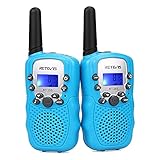 | Retevis RT388 Kids Walkie Talkies, Outdoor Toys for Kids Camping Essentials | 4-12 Year Old Boy Birthday Gift, 22 CH VOX Flashlight Clear Sound, Kids Walkie Talkies 2 Pack for Camping Hiking Adventure | Check Price On Amazon |
 | Cobra RX680 Walkie Talkies (2-Pack), IP54 Water Resistant Design | Rugged & Splashproof Two Way Radios Long Range, 60 Pre-Programmed Channels, Weather Alerts | Check Price On Amazon |
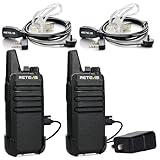 | Retevis RT22 Walkie Talkies Long Range Rechargeable with Earpiece (2 Pack) | Slim & Lightweight 2 Way Radio For Camping & Hiking, Pocket-Friendly Antenna, Ready to Use, 10-Hour Battery, USB-C Charging | Check Price On Amazon |
 | Midland GXT1000VP4 GMRS Two-Way Radios with Headsets, Black, 2 Pack | 50 Channels, 142 Privacy Codes, Up to 36 Mile Long Range, JIS4 Water Resistant, NOAA Weather Alert, Rechargeable NiMH | Check Price On Amazon |
 | Retevis RT628 Walkie Talkies for Kids,Toys Gifts for 6-12 Years Old Boys Girls,Long Range 2 Way Radio 22CH VOX,Birthday Gift,Family Walkie Talkie for Camping Hiking Indoor Outdoor | Check Price On Amazon |