Programming a walkie talkie involves setting up channels, frequencies, and privacy codes to establish reliable communication between devices. This process varies between brands but follows similar principles across models. With proper programming, you’ll create clear communication channels for outdoor activities, events, or workplace coordination.
This guide covers everything from basic manual programming to advanced software methods for all major brands. Whether you’re setting up a single pair or a fleet of radios, you’ll learn the exact steps needed for reliable communication while staying within legal requirements.
| Photo | Popular Portable Walkie Talkies | Price |
|---|---|---|
 | SKIWARRIOR Multifunctional Smart Wireless Ski Goggles with Walkie-Talkie, Anti-Fog Zeiss Lens, Music & Call Function (Cylindrical Blue) | Check Price On Amazon |
 | SINORISE Super Mini Walkie Talkies, Two-Way Radios, 3 Pack | Check Price On Amazon |
 | KOSPET Tank M4C Smart Watch Rugged, Dual-Band GPS, 5ATM & IP69K Waterproof | Check Price On Amazon |
 | Retevis RT15 Walkie Talkies 3 Pack, Birthday Gift, Outdoor Adventure Kit | Check Price On Amazon |
 | Rechargeable Walkie Talkies Toys for Kids: DIY Astronaut Walkie Talkies for Boys Christmas Birthday Gifts for 3 4 5 6 7 8 9 10 Boy Walkie Talkie Outdoor Hiking Toy 2 Way Radio Camping Outdoor Game | Check Price On Amazon |
Understanding Walkie Talkie Channels and Frequencies
Before jumping into programming steps, it’s essential to understand what you’re actually programming: channels and frequencies. This foundation will make the programming process much clearer.
A walkie talkie channel is simply a preset frequency paired with specific settings. When you select “Channel 1” on your device, you’re actually tuning to a specific radio frequency. Most consumer walkie talkies operate on two main frequency bands:
- FRS (Family Radio Service): 462-467 MHz, license-free in the US
- GMRS (General Mobile Radio Service): 462-467 MHz, requires FCC license in the US
- MURS (Multi-Use Radio Service): 151-154 MHz, license-free in the US
Privacy codes (sometimes called CTCSS/DCS) don’t create private channels but filter unwanted communications. When activated, your radio only unmutes when it detects both the correct frequency AND the matching privacy code.

Legal Considerations Before Programming
Before programming your walkie talkie, it’s important to understand the legal boundaries. Certain frequencies require licenses, while others are free to use with restrictions.
- FRS channels: No license required, limited to 2 watts maximum power
- GMRS channels: Requires FCC license ($70 for 10 years, covers your entire family)
- Power restrictions: FRS-only channels limited to 0.5 watts, shared FRS/GMRS to 2 watts
- International use: Frequency allocations differ by country; check local regulations
Transmitting on GMRS frequencies without a license can result in fines up to $10,000. The FCC actively enforces these regulations, especially when interference is reported.
Essential Equipment for Programming Walkie Talkies
Depending on your walkie talkie model and programming method, you’ll need specific equipment. Having everything ready before you start makes the process much smoother.
For Manual Programming:
- Your walkie talkie user manual (or digital copy found online)
- List of frequencies and privacy codes you plan to use
- Pen and paper to document your programming scheme
- Fully charged batteries or power supply
For Software Programming:
- Programming cable specific to your radio model
- Computer with USB port (Windows preferred for most radio software)
- Manufacturer programming software or CHIRP (free, open-source software)
- Driver software for the programming cable
| Brand | Cable Type | Software Options |
|---|---|---|
| Motorola | RKN4155 or compatible | CPS (Customer Programming Software) |
| Baofeng | FTDI USB cable with Kenwood connector | CHIRP or Baofeng-specific software |
| Midland | Model-specific programming cable | Midland Programming Software |
Manual Programming: Step-by-Step Guide
Manual programming using your walkie talkie’s keypad and menu system is the most accessible method and requires no additional equipment. Follow these steps to program channels into most walkie talkie models.
- Power on your walkie talkie and ensure it has sufficient battery charge.
- Enter programming mode (instructions vary by brand – see brand-specific section below).
- Select the channel number you wish to program using the channel selector or up/down buttons.
- Access the frequency setting through the menu and enter the desired frequency.
- Set the privacy code (CTCSS/DCS) if desired.
- Save your settings – usually by pressing a specific button combination or menu option.
- Repeat for additional channels you wish to program.
- Exit programming mode when finished.
Most programming errors occur from pressing buttons too quickly. Work methodically and verify each setting before saving and moving to the next channel.
Programming Mode: How to Access It on Different Brands
Accessing programming mode varies significantly between brands and models. Here are the specific button combinations for the most popular walkie talkie brands.
Motorola Talkabout Series:
- Press and hold the MENU button for 3-5 seconds until you hear a beep
- Press MENU repeatedly until the channel number flashes
- Use UP/DOWN buttons to select the channel to program
Baofeng UV-5R and Similar:
- Press MENU button
- Enter channel number (1-128) using keypad
- Press MENU again to begin programming that channel
Midland GXT Series:
- Power off the radio
- Hold MENU while powering on until display shows “P”
- Release MENU and proceed with programming
Kenwood ProTalk Series:
- Power off the radio
- Press and hold PTT + SIDE key while turning power on
- Release buttons when radio beeps and display shows channel number
Channel and Frequency Setup: Detailed Walkthrough
Once in programming mode, you’ll need to set up each channel with the correct frequency and settings. This process requires careful navigation through menu options.
- Select channel memory location: Use channel selector or up/down buttons to choose which channel number you’re programming (1-22 for most consumer radios).
- Enter frequency value: Depending on your model, either select from preset frequencies or manually input the MHz value. For example, FRS Channel 1 uses 462.5625 MHz.
- Set transmit frequency: For most consumer walkie talkies, the transmit and receive frequencies are identical. Professional models may allow separate settings for each.
- Set bandwidth: If your radio offers this option, set to “Narrow” (12.5 kHz) for most FRS/GMRS channels.
- Save the current channel: Press the appropriate save button (often labeled SAVE, ENTER, or requires pressing MENU for several seconds).
The display will typically show indicators like “CH-01” for channel 1, and either the channel number or frequency depending on the display mode of your radio.
Privacy Codes and Squelch Settings
Privacy codes (also called CTCSS tones or DCS codes) don’t actually make your conversations private, but they do help filter unwanted transmissions. Here’s how to set them up correctly.
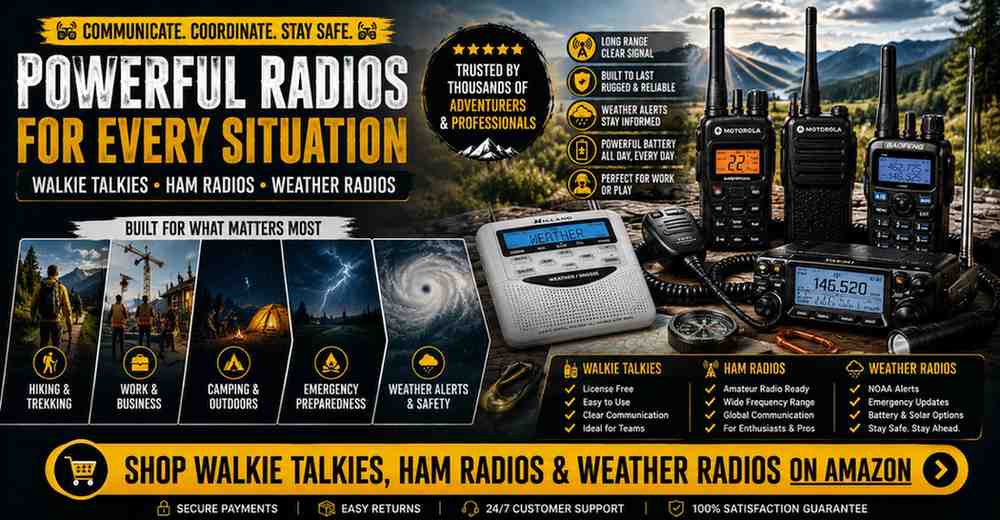
CTCSS (Continuous Tone Coded Squelch System) uses sub-audible tones (67-250 Hz) that your radio detects but you can’t hear. DCS (Digital Coded Squelch) uses digital codes for the same purpose but with better performance in noisy environments.
- Setting CTCSS tones:
- In programming mode, navigate to the CTCSS/Tone option (usually after setting frequency)
- Select from options 1-38 (standard in most consumer radios)
- Save the setting
- Setting DCS codes:
- Navigate to the DCS option in the menu
- Select from codes (typically 39-99 or 1-104 depending on model)
- Save the setting
For family or team use, setting matching privacy codes on all radios ensures you only hear transmissions from your group, not strangers using the same channel.
Programming with Software: Comprehensive Guide
Software programming allows for faster, more precise setup of multiple channels and advanced features. While it requires additional equipment, it’s the preferred method for programming multiple radios or complex configurations.
Required Equipment:
- Computer with Windows (most radio software works best on Windows)
- Radio-specific programming cable
- Programming software (manufacturer-specific or CHIRP)
- Your walkie talkie with charged battery
General Software Programming Steps:
- Install the programming software on your computer.
- Install cable drivers if required (especially for FTDI-based cables).
- Connect your radio to the computer using the programming cable.
- Launch the software and select your radio model if prompted.
- Read current data from the radio (typically an option like “Read Radio” or “Download from Radio”).
- Edit channel information in the software interface – including frequencies, privacy codes, and channel names if supported.
- Write the new configuration to the radio (typically labeled “Write Radio” or “Upload to Radio”).
- Test all programmed channels to ensure they work correctly.
Programming Cable Selection and Setup
Selecting the right programming cable is crucial for successful software programming. Different models require specific cables, and setup varies between brands.
| Radio Brand | Cable Type | Connector Style | Driver Required |
|---|---|---|---|
| Baofeng | FTDI USB with Kenwood K1 connector | 2-pin Kenwood style | Yes (FTDI drivers) |
| Motorola Commercial | RKN4155 or compatible | Multi-pin proprietary | Yes (Motorola drivers) |
| Midland | Varies by series | Usually micro-USB or proprietary | Sometimes |
Warning: Many counterfeit programming cables use fake FTDI chips that may work inconsistently. Purchase cables from reputable sources to avoid programming failures and potential radio damage.
Step-by-Step Software Programming Tutorial
Once your radio is connected to your computer, follow these steps to program channels using software. We’ll cover both manufacturer software and the universal CHIRP program.
Using CHIRP Software (Works with multiple brands):
- Download and install CHIRP from chirp.danplanet.com.
- Connect your radio and turn it on.
- Open CHIRP and select “Radio” > “Download From Radio” from the menu.
- Select your radio model and port in the dialog box.
- Wait while CHIRP reads your radio’s current configuration.
- Edit channels in the spreadsheet-like interface:
- Set Name (if supported)
- Enter Frequency
- Set Tone Mode (None, Tone, TSQL, etc.)
- Set CTCSS frequency or DCS code
- Configure power level and other options
- When finished editing, select “Radio” > “Upload To Radio”
- Confirm the upload and wait for completion
The advantage of CHIRP is that it works with many different radio brands and allows you to save configurations as files that can be modified later or shared with others.
Brand-Specific Programming Guides
Different walkie talkie brands have unique programming procedures and menus. This section provides specific instructions for the five most popular brands, addressing their particular quirks and features.
Motorola Walkie Talkie Programming
Motorola walkie talkies are among the most popular but have significant differences between consumer (Talkabout) and commercial models. Here’s how to program each type.
Motorola Talkabout Series (Consumer):
- Press and hold MENU button for 3 seconds until you hear a beep
- Press MENU repeatedly until the channel number flashes
- Use UP/DOWN buttons to select desired channel (1-22)
- Press MENU again to access privacy code setting
- Use UP/DOWN to select desired code (0-121)
- Press PTT button to save and exit, or MENU to continue to other settings
Motorola Commercial Series (CLS/RDX/DLR):
- Power off the radio
- Press and hold PTT and MENU buttons while turning radio on
- Release when radio beeps and shows “MODE” on display
- Press MENU to scroll through options
- Use + and – buttons to change settings
- Press and hold MENU to save and exit programming mode
Tip: Motorola commercial radios are best programmed using CPS software and the official programming cable for more advanced features.
Baofeng and Chinese Radio Programming
Baofeng and similar Chinese radios offer extensive features at low prices but can be challenging to program. These specific steps will help you navigate their unique interface and software options.
Manual Programming for Baofeng UV-5R and Similar:
- Press VFO/MR button to enter frequency mode (VFO)
- Use keypad to enter the desired frequency (e.g., 462.5625)
- Press MENU, then 13 to set the CTCSS tone
- Enter tone number (1-38) and press MENU to confirm
- Press MENU, then 27 to access memory storage
- Use up/down keys to select channel number to store frequency
- Press MENU to save
Software Programming for Baofeng:
- Install CHIRP software
- Connect radio using USB programming cable (Kenwood K1 style)
- Download current configuration from radio
- Program channels in the spreadsheet interface
- Upload configuration to radio
Common Baofeng Issue: If your computer doesn’t recognize the programming cable, you likely need to install FTDI drivers. Download them from ftdichip.com.
Programming Multiple Walkie Talkies Efficiently
When setting up multiple walkie talkies for a team, family, or event, programming each one individually is inefficient. These methods will save you significant time and ensure consistent settings across all units.
Method 1: Cloning (Fastest for Same-Model Radios)
- Program one radio completely with all desired channels and settings
- Use the radio’s cloning function (if available) or cloning cable
- Follow manufacturer instructions for initiating clone mode on both radios
- Verify successful cloning by checking channels on receiving radio
- Repeat for all additional radios
Method 2: Software Programming (Best for Different Models)
- Create your channel plan in programming software
- Save the configuration file
- Connect each radio individually
- Upload the same configuration to each radio (adjusting for model differences)
- Test each radio after programming
Cloning Between Walkie Talkies
Cloning allows you to copy all channels and settings from one properly programmed walkie talkie to another of the same model. This feature can save hours of repetitive programming.
Motorola Talkabout Cloning:
- Connect the two radios using a Motorola cloning cable
- On the source radio, press and hold MENU while turning on
- Press MENU until “CLONE” appears
- Press + button to start sending
- The receiving radio will show “CLONE” and beep when complete
Midland Cloning:
- Connect radios with cloning cable or place them face-to-face if they support wireless cloning
- On source radio, press MENU and scroll to “CLONE”
- Press MENU to select, then press it again to start sending
- Receiving radio will beep when complete
Always test a cloned radio before cloning additional units to ensure all settings transferred correctly.
Creating an Organized Channel Plan
An organized channel plan makes your walkie talkies more effective and prevents confusion. Instead of randomly assigning channels, follow these strategies to create a logical system.
Sample Channel Plans:
Family Outdoor Activities:
- Channel 1: Main family communication
- Channel 2: Emergency channel (monitored by all)
- Channel 3: Kids group
- Channel 4: Adult group
Workplace Setting:
- Channel 1: General operations
- Channel 2: Management team
- Channel 3: Front of house staff
- Channel 4: Back of house staff
- Channel 5: Security team
- Channel 6: Emergency communications
Event Coordination:
- Channel 1: Command center
- Channel 2: Security team
- Channel 3: Medical team
- Channel 4: Volunteer coordination
- Channel 5: Vendor communications
Document your channel plan and distribute it to all users. For radios with display labels, program meaningful names for each channel.
Testing and Troubleshooting Your Programmed Channels
After programming, it’s essential to test your channels thoroughly. This section will help you verify your programming was successful and troubleshoot common issues.
Testing Procedure:
- Basic function test: Verify each radio powers on and displays programmed channels
- Transmission test: For each channel, have one radio transmit while another listens
- Privacy code test: Verify that radios with matching codes hear each other, while those with different codes don’t
- Range test: Test communication at various distances within your expected usage area
- Feature test: Verify any special features you programmed (VOX, scan, etc.)
Common Programming Errors and Solutions
Even with careful following of instructions, programming errors can occur. Here are the most common programming mistakes and their solutions.
| Problem | Possible Cause | Solution |
|---|---|---|
| Radios can’t hear each other | Different frequencies or privacy codes | Verify both radios are on exact same channel and privacy code |
| Transmission works only one way | Different transmit/receive frequencies | Check that both transmit and receive frequencies match |
| Radio stuck in programming mode | Incomplete programming sequence | Remove and reinsert battery, then try again |
| Software won’t connect to radio | Driver issues or cable problems | Reinstall drivers, try different USB port, or verify cable connections |
| Programmed settings lost after power off | Settings not saved properly | Ensure you complete the save sequence before powering off |
Reset Procedures for Different Models:
When programming goes wrong, sometimes a full reset is the fastest solution:
- Motorola Talkabout: Press and hold PTT, MENU, and MON buttons while powering on
- Baofeng: Press MENU + 0 for factory reset
- Midland: Press and hold H/L and MON while powering on
- Kenwood: Press PTT + Side Key while powering on
Advanced Programming Features and Settings
Beyond basic channel programming, many walkie talkies offer advanced features that can enhance communication. Here’s how to program these specialized functions.
VOX (Voice-Activated Transmission):
- Access the radio’s menu
- Locate VOX setting (usually labeled “VOX” or “Voice Activate”)
- Select sensitivity level (higher numbers = more sensitive)
- Test by speaking without pressing PTT button
Scan Lists:
- Enter programming mode
- Locate scan or scan list function
- Select channels to include in scan
- Save settings and exit programming mode
- Activate scan using scan button or menu option
Weather Alert Programming (if supported):
- Enter programming mode
- Locate weather or alert function
- Enable alert function
- Select alert tones or notification type
- Program NOAA weather frequencies if required
Maintaining Your Programmed Settings
After investing time in programming your walkie talkies, you’ll want to ensure your settings aren’t accidentally changed or lost. These maintenance practices will protect your configuration.
Backup Strategies:
- Software backup: Save configuration files from programming software
- Documentation: Keep written record of all channels and settings
- Master radio: Designate one radio as master copy of settings
Setting Protection:
- Keypad lock: Enable this feature to prevent accidental button presses
- Power-on password: If your radio supports it, set a password
- Battery removal: Some radios lose settings when batteries are removed – check your model
Regular verification of settings, especially before critical events or activities, ensures your radios remain properly configured.
Frequently Asked Questions About Walkie Talkie Programming
Can different brands of walkie talkies communicate with each other?
Yes, different brands can communicate as long as they’re operating on the same frequency band (FRS/GMRS/MURS), programmed to the same channel frequency, and using the same privacy codes. The communication standard is universal, though features and programming methods differ between brands.
Do I need a license to program certain frequencies?
In the US, programming and using GMRS frequencies (462-467 MHz high-power channels) requires an FCC license. FRS and MURS frequencies can be programmed and used without a license. Simply programming a radio isn’t regulated, but transmitting on certain frequencies without proper licensing is illegal.
How do I sync multiple walkie talkies to the same channel?
You can sync multiple walkie talkies by programming each with identical channel frequencies and privacy codes. For same-model radios, use the cloning feature to copy settings from one properly programmed radio to others. For mixed models, program each individually with the same frequency information.
What’s the difference between VFO mode and channel mode?
VFO (Variable Frequency Oscillator) mode allows direct frequency input and temporary operation on any frequency. Channel mode only permits selection of pre-programmed channels. VFO is used for programming or temporary operation, while channel mode is safer for regular use as it prevents accidental frequency changes.
Can I program my walkie talkie without the manual?
Yes, you can program most walkie talkies without the original manual. Search online for your model’s manual in PDF format, or follow general programming procedures for your brand. Software programming methods often work without specific instructions as the software guides you through the process.
How do I reset my walkie talkie if programming goes wrong?
Most walkie talkies have a factory reset procedure, typically involving holding a combination of buttons while powering on the radio. Common combinations include MENU+PTT, PTT+Side button, or MENU+specific number keys. Check your manual or search online for your specific model’s reset procedure.
What channels are best for outdoor activities?
For outdoor activities in the US, FRS channels 1-7 are good starting points as they’re license-free and frequently used by outdoor enthusiasts. For better range and less congestion, consider GMRS channels with an appropriate license. Always use privacy codes to filter unwanted communications from other groups in the area.
| Photo | TOP RATED WALKIE TALKIES | Price |
|---|---|---|
 | Retevis RT628 Kids Walkie Talkies, Toys Gifts for 4-12 Year Old Girl Boy | Check Price On Amazon |
 | Cobra ACXT545 Weather-Resistant Walkie Talkies, Rechargeable, 22 Channels | Check Price On Amazon |
 | Retevis RT388 Kids Walkie Talkies, Outdoor Toys for Kids Camping Essentials | Check Price On Amazon |
 | Cobra RX680 Walkie Talkies (2-Pack), IP54 Water Resistant Design | Check Price On Amazon |
 | Retevis RT22 Walkie Talkies Long Range Rechargeable with Earpiece (2 Pack) | Check Price On Amazon |
 | Midland GXT1000VP4 GMRS Two-Way Radios with Headsets, Black, 2 Pack | Check Price On Amazon |
 | Retevis RT628 Walkie Talkies for Kids,Toys Gifts for 6-12 Years Old Boys Girls,Long Range 2 Way Radio 22CH VOX,Birthday Gift,Family Walkie Talkie for Camping Hiking Indoor Outdoor | Check Price On Amazon |