
Vintage aircraft radio restoration balances historical preservation with modern functionality. Aircraft radios define the character and era of classic planes, creating a unique challenge for owners. This guide explores seven expert approaches to upgrading vintage aircraft radio systems while maintaining their authentic charm, helping you make informed decisions that honor aviation heritage without sacrificing reliability or compliance.
Understanding Vintage Aircraft Radio Systems: A Historical Timeline
The evolution of aircraft radio systems mirrors the broader development of aviation technology throughout the 20th century. Understanding this historical progression is essential for making informed decisions about vintage radio restoration and upgrades.
| Photo | Popular Portable Walkie Talkies | Price |
|---|---|---|
 | SKIWARRIOR Multifunctional Smart Wireless Ski Goggles with Walkie-Talkie, Anti-Fog Zeiss Lens, Music & Call Function (Cylindrical Blue) | Check Price On Amazon |
 | SINORISE Super Mini Walkie Talkies, Two-Way Radios, 3 Pack | Check Price On Amazon |
 | KOSPET Tank M4C Smart Watch Rugged, Dual-Band GPS, 5ATM & IP69K Waterproof | Check Price On Amazon |
 | Retevis RT15 Walkie Talkies 3 Pack, Birthday Gift, Outdoor Adventure Kit | Check Price On Amazon |
 | Rechargeable Walkie Talkies Toys for Kids: DIY Astronaut Walkie Talkies for Boys Christmas Birthday Gifts for 3 4 5 6 7 8 9 10 Boy Walkie Talkie Outdoor Hiking Toy 2 Way Radio Camping Outdoor Game | Check Price On Amazon |
1920s-1940s: Early Communication Systems
Early aircraft radios were bulky, complex systems relying on vacuum tube technology. These pioneering communication devices allowed limited but crucial communication for military and civilian aircraft.
Key equipment from this era includes:
- BC-348 receivers (standard in B-17 bombers)
- ART-13 transmitters with 100W output power
- BC-224 receivers operating in 1.5-18 MHz ranges
- Command Sets (SCR-274N) with multiple receivers and transmitters
- Crystal-controlled frequencies with limited channel options
These early systems featured distinctive Bakelite knobs, brass faceplates, and extensive control panels. Installations typically required dedicated radio operators on larger aircraft due to their complexity.
1950s-1960s: Post-War Radio Advancements
The post-war era brought significant advancements as military technology transferred to civilian aviation. VHF communications became standard, replacing earlier HF-dominant systems.
Notable developments included:
- Narco Superhomer and Omnigator navigation systems
- King KY-90 series VHF communications radios
- Bendix MN-53 radio compass systems
- Collins 51R navigation receivers
- Standard 118-136 MHz VHF communications band adoption
Panel designs evolved to feature more integrated layouts with standardized 3.125-inch instrument holes. Most systems still used vacuum tubes but with more compact designs and improved reliability.
1970s-1980s: Solid State Revolution
The transition to solid-state technology transformed aircraft radios, dramatically reducing size, weight, and power requirements while improving reliability. Digital displays began replacing analog indicators.
Significant changes included:
- King KX-170 series nav/comm radios with digital frequency displays
- Narco COM 120 compact communications transceivers
- Collins Microline systems with integrated navigation capabilities
- Standardization of the 2-inch radio stack format
- First-generation audio panels with intercom capabilities
These advancements created the foundation for modern avionics while maintaining distinctive vintage characteristics that many owners seek to preserve today.
Assessing Your Current Radio System: Documentation and Evaluation
Before making any decisions about upgrades or restoration, a thorough assessment of your aircraft’s current radio system is essential. This process begins with documentation and careful evaluation.
Documentation Best Practices
Proper documentation creates a baseline for restoration decisions and preserves historical information about your aircraft.
- Photograph everything: Take detailed photos from multiple angles before disassembly, including close-ups of all markings, labels, and installation methods.
- Create detailed inventory: List all components with model numbers, serial numbers, and manufacturing dates.
- Diagram wiring connections: Sketch or photograph all wiring before disconnection, noting wire colors and connection points.
- Collect existing paperwork: Gather maintenance logs, installation records, and any original equipment documentation.
- Measure panel dimensions: Record precise measurements of radio stack openings and mounting locations.
Store this documentation digitally with backups and maintain printed copies with your aircraft records. This information becomes invaluable when making restoration decisions and proves historical authenticity.
Determining Historical Significance and Authenticity
Evaluating the historical significance of your current radio equipment helps determine the most appropriate restoration approach.

Key assessment criteria include:
- Original equipment verification: Determine if components are original to the aircraft by checking logbooks and comparing to factory specifications.
- Rarity assessment: Research how common or rare specific models are in preserved examples. Some radios have significant historical value.
- Functional condition: Evaluate if components can be restored to working order or are beyond repair.
- Historical accuracy: Determine if current configuration represents a specific era or contains mixed-period equipment.
- Previous modifications: Identify any prior upgrades or alterations that may have already compromised historical accuracy.
Consulting type clubs specific to your aircraft model often provides valuable historical context about typical radio configurations for different production periods. The proper testing of emergency systems like 121 MHz ELTs should also be part of your assessment process.
The Preservation Purist Approach: Full Restoration of Original Equipment
For aircraft with historically significant or rare radio systems, the preservation purist approach prioritizes complete restoration of original equipment to working condition. This method maintains maximum historical authenticity while requiring specialized techniques.
Sourcing Original Components and Suitable Substitutes
Finding authentic parts for vintage radio restoration requires patience and specialized knowledge.
Reliable sources include:
- Aircraft salvage specialists: Companies specializing in vintage aircraft often maintain inventories of original radio components.
- Type club networks: Aircraft-specific organizations frequently have member-to-member sales or trading opportunities.
- Aviation swap meets: Events like Oshkosh AirVenture feature vendors with hard-to-find vintage components.
- Vintage electronics restorers: Some electronics specialists restore and supply vacuum tubes and other components usable in aircraft radios.
- Military surplus dealers: For military aircraft radios, specialized surplus dealers may stock original parts.
When exact original parts cannot be found, appropriate substitutes must be carefully selected. Period-correct components from the same era but different manufacturers can often maintain authenticity while providing functionality.
Restoration Techniques for Common Vintage Radio Issues
Vintage aircraft radios face several common problems that require specialized restoration techniques.
For vacuum tube equipment:
- Capacitor replacement: Paper and electrolytic capacitors deteriorate over time and typically require replacement with modern equivalents in authentic casings.
- Vacuum tube testing: Use calibrated tube testers to evaluate performance, replacing weak tubes with NOS (New Old Stock) equivalents.
- Wiring insulation repair: Original cloth or rubber insulation often deteriorates and requires careful replacement or reinforcement.
- Corrosion treatment: Terminal strips and connection points frequently develop corrosion that must be carefully cleaned without damaging surrounding components.
- Control cleaning: Potentiometers and switches typically need disassembly and cleaning to restore smooth operation.
For mechanical components like tuning mechanisms, careful cleaning, lubrication with period-appropriate materials, and adjustment of mechanical linkages restores proper operation while maintaining originality. Proper audio quality restoration, sometimes using techniques like audio companders, can significantly improve communication clarity without visible modifications.
The Hidden Modernization Approach: Modern Technology with Vintage Appearance
For many vintage aircraft owners, the hidden modernization approach offers an ideal balance – maintaining the classic appearance of the cockpit while incorporating modern functionality behind the panel.
Custom Faceplate Solutions and Techniques
Creating authentic-looking interfaces for modern equipment preserves cockpit aesthetics while allowing improved functionality.
Effective techniques include:
- Custom overlay fabrication: Creating period-appropriate faceplates that mount over modern radio faces, with openings for essential displays and controls.
- Replica knob adaptation: Modifying original or reproduction knobs to fit modern radio shafts.
- Hidden display integration: Positioning digital displays behind tinted windows that match vintage radio aesthetics but allow visibility when illuminated.
- Remote mounting: Placing modern radio components in hidden locations with only period-correct control heads visible in the panel.
- 3D-printed reproductions: Using advanced printing to create exact replicas of vintage radio faceplates with appropriate modifications for modern components.
These methods allow installation of modern radios like the Garmin GTR 200 or Trig TY96 while maintaining a period-correct appearance. Before considering significant panel modifications, review the legal boundaries of equipment modification for vintage aircraft to ensure compliance.
Integration Challenges and Solutions
Hidden modernization creates several technical challenges that require creative solutions.
Common issues and solutions include:
- Power requirements: Modern radios typically need regulated power supplies, which can be installed behind the panel while maintaining original circuit breakers or fuses on the panel face.
- Antenna compatibility: Newer radios may require impedance matching devices to work with original antennas, preserving external appearance.
- Heat management: Modern equipment often generates less heat but may lack the ventilation of original installations, requiring additional cooling consideration.
- Control ergonomics: Creating interfaces that look period-correct but control modern functions requires careful planning and sometimes custom electronics.
- Weight and balance: Modern equipment is typically lighter, potentially requiring weight addition elsewhere to maintain proper aircraft balance.
Successful hidden modernization projects typically incorporate a control interface design that mimics original equipment operation while controlling modern radios through custom adaptation hardware.
The Hybrid Approach: Combining Vintage and Modern Components
The hybrid approach strategically combines functional vintage components with modern equipment to create a balanced system that honors historical elements while enhancing reliability and capability.
Creating an Era-Appropriate Hybrid System
Effective hybrid systems maintain the most visible and characteristic vintage components while selectively incorporating modern technology.
Successful hybrid configurations often:
- Retain original navigation receivers: Keep functioning VOR/LOC receivers visible in the panel while adding modern GPS behind the panel.
- Preserve distinctive components: Maintain unique items like radio direction finders or ADF receivers that define the era, even if used infrequently.
- Upgrade communications: Replace communication radios with modern equivalents that offer improved reliability and clarity.
- Add modern audio panels: Install current-generation audio control systems that improve functionality while maintaining period appearance.
- Incorporate discreet transponders: Add modern identification systems with minimal panel presence.
The most successful hybrid systems maintain the authentic “scan flow” of the original cockpit while strategically improving functionality in ways that support regular flying.
Performance Expectations and Tradeoffs
Hybrid systems require understanding the performance implications of maintaining certain vintage components.
Key considerations include:
- Reliability differences: Vintage navigation receivers typically offer 85-90% reliability compared to 99%+ for modern equipment.
- Weight impacts: Hybrid systems often weigh 10-15% more than either fully modern or fully vintage setups due to adaptation equipment.
- Power consumption: Mixed systems may require more complex power management to accommodate different voltage and current needs.
- Maintenance complexity: Maintaining both vintage and modern components requires broader technical knowledge and parts sourcing.
- User learning curve: Pilots must understand both old and new interface paradigms, sometimes switching between them in flight.
Despite these challenges, hybrid systems often provide the best balance between authentic flying experience and practical reliability for regularly flown vintage aircraft.
Regulatory Compliance: Meeting FAA Requirements While Preserving Authenticity
Navigating FAA requirements for aircraft radio systems presents unique challenges for vintage aircraft owners. Understanding the regulatory pathways is essential for maintaining both compliance and authenticity.
Documentation Requirements for Different Approaches
Different restoration approaches require specific documentation to meet regulatory standards.
Key documentation requirements include:
- Form 337 for major alterations: Required when significantly modifying radio systems or replacing components with non-standard equipment.
- Logbook entries for repairs: Detailed maintenance records documenting restoration of original equipment.
- Equipment capabilities statements: Documentation verifying that installed systems meet minimum performance requirements.
- Field approvals: FAA inspector verification that non-standard installations meet safety standards.
- Approved equipment lists: Verification that equipment meets TSO or other certification requirements.
For vintage aircraft operated under different certificates (Standard, Experimental-Exhibition, etc.), documentation requirements vary significantly. Understanding these differences helps owners choose the most appropriate regulatory pathway for their aircraft’s intended use.
Working with FAA Inspectors on Vintage Aircraft Projects
Effective communication with FAA personnel is crucial for successful vintage aircraft radio projects.
Best practices include:
- Early consultation: Discuss plans with your local FSDO before beginning work to understand specific requirements.
- Documentation preparation: Organize historical documentation, original equipment specifications, and proposed modifications before meetings.
- Finding experienced inspectors: Seek inspectors with vintage aircraft experience through recommendations from type clubs or restoration shops.
- Demonstrating safety equivalence: Prepare to show how your approach maintains or improves safety while preserving historical elements.
- Understanding operating limitations: Be clear about how equipment choices may affect the aircraft’s operating environment.
Many FAA inspectors appreciate the historical significance of vintage aircraft and will work with owners to find regulatory pathways that enable preservation while ensuring safety. Staying current with compliance deadlines and enforcement timelines can help avoid regulatory complications during your restoration project.
Installation Best Practices: Period-Correct Techniques and Materials
The installation methods and materials used for aircraft radio systems evolved significantly throughout aviation history. Using period-correct techniques is essential for maintaining authentic restoration.
Wiring Techniques and Materials by Era
Each aviation era featured distinct wiring practices that contribute to authenticity.
Period-specific characteristics include:
- 1930s-1940s: Cotton-covered wire with waxed lacing cord harnesses, Bakelite terminal strips, and brass or aluminum conduit.
- 1950s-early 1960s: Vinyl-covered wire with plastic cable clamps, phenolic terminal blocks, and increased use of shielded cables.
- Late 1960s-1970s: Teflon-insulated wire, nylon cable ties, modular connectors, and standardized color coding.
- 1980s: Lightweight avionic-specific wiring, extensive shielding, standard cannon plugs, and ribbon cable connections.
For authentic restorations, using era-appropriate wire types, connector styles, and bundling techniques significantly contributes to historical accuracy. Modern safety improvements like high-temperature insulation can be incorporated while maintaining period appearance.
Panel Work and Finishing Methods
Radio panel installation techniques varied considerably throughout aviation history.
Authentic approaches include:
- Panel materials: Using correct aluminum alloys, steel, or in some cases, wood veneers for specific aircraft types.
- Fastener selection: Employing period-correct screws, often AN365 elastic stop nuts in military aircraft or sheet metal screws in lighter civilian models.
- Placard reproduction: Creating authentic-looking labels using appropriate fonts, materials, and attachment methods specific to the era.
- Paint and finish: Applying correct wrinkle finishes for 1930s-1940s equipment, anodized finishes for 1950s-1960s, and textured paints for later periods.
- Lighting: Incorporating appropriate panel lighting systems from simple post lights to integrated electroluminescent panels depending on the era.
These details, while seemingly minor, significantly impact the overall historical accuracy and feel of the restored radio installation. Proper aircraft communication practices, including weather reporting, should also be considered when planning your system’s capabilities.
Cost Analysis: Budgeting for Different Restoration Approaches
Restoration and upgrade costs vary significantly depending on your approach and the aircraft’s original equipment. Understanding the cost implications of different methods helps in planning an appropriate budget for your project.
Comparative Costs of Different Approaches
Each restoration strategy carries distinct cost profiles.
Typical cost ranges (as of 2023):
- Full original restoration: $8,000-$25,000 for complete vintage radio system restoration, depending on rarity and condition.
- Hidden modernization: $12,000-$20,000 for modern equipment with custom vintage-appearance adaptations.
- Hybrid approach: $15,000-$30,000 due to costs of both vintage restoration and modern equipment integration.
- Complete modernization: $10,000-$18,000 for standard modern panel installation without vintage considerations.
Labor typically represents 40-60% of total costs, with specialized vintage radio technicians commanding $85-$125 per hour. Parts sourcing for rare components can significantly impact budgets when pursuing authentic restoration.
Value Implications and Insurance Considerations
Restoration decisions have lasting financial implications beyond initial costs.
Key considerations include:
- Aircraft valuation impact: Museum-quality original restorations typically add 15-25% to aircraft value for historically significant models.
- Insurance perspectives: Some insurers offer better rates for modern equipment due to safety improvements, while others provide specialized coverage for historical aircraft with authentic equipment.
- Resale market considerations: Aircraft with completely original panels typically appeal to collectors, while those with hidden modernization attract active pilots seeking both aesthetics and reliability.
- Documentation value: Well-documented original equipment with provenance can significantly increase overall aircraft historical value.
- Operating cost differences: Modern equipment typically costs less to maintain but may require specialized installation maintenance.
According to aircraft appraiser Nathan Thompson, “The highest-value vintage aircraft today combine authentic appearance with carefully integrated modern safety equipment. The ideal approach preserves the historical flying experience while acknowledging contemporary operational realities.”
Case Studies: Successful Vintage Radio Projects
Examining successful vintage aircraft radio projects provides valuable insights into real-world applications of different restoration approaches. These case studies illustrate how owners have balanced authenticity, functionality, and regulatory compliance.
Case Study 1: Museum-Quality Restoration of 1940s Military Aircraft
Aircraft: 1944 North American AT-6 Texan
Owner: Midwest Aviation Museum
This project represented a complete purist restoration of an AT-6 advanced trainer to its exact wartime configuration. The radio suite included:
- Original SCR-274N Command Set (BC-453, BC-454, and BC-455 receivers)
- BC-458 transmitter with dynamotor power supply
- Original control boxes, junction boxes, and antenna system
- Period-correct headsets and microphones
Restoration challenges included finding functional original components and rebuilding the complex wiring harness using cotton-covered wire and proper military lacing techniques. The museum’s restoration team located NOS (New Old Stock) vacuum tubes and refurbished all dynamotors to original specifications.
The aircraft now operates on an Experimental-Exhibition certificate with exemptions for the original radio equipment, which remains functional but is supplemented by a handheld modern transceiver when needed for air shows.
Case Study 2: Hidden Modernization in Classic General Aviation Aircraft
Aircraft: 1959 Cessna 172
Owner: James Wilson, private pilot
This project preserved the classic late-1950s appearance while incorporating modern avionics for regular use. The approach included:
- Custom fabricated panel overlays matching original Cessna styling and colors
- Modern Garmin GTR 225 COM radio and GTX 345 transponder behind vintage-appearance faceplates
- Original Narco Omnigator preserved but non-functional in panel for appearance
- iPad mount designed to look like a period kneeboard when not in use
- Original control wheels, throttle quadrant, and panel layout preserved
Wilson reports, “I wanted the experience of flying a classic aircraft without compromising safety or utility. When seated in the cockpit, it looks exactly like it did in 1959, but I have all the modern communication and navigation capabilities needed for today’s airspace.”
The project required FAA field approval with a custom data package demonstrating how the hidden modern equipment met all current requirements while maintaining the original appearance.
Case Study 3: Hybrid Approach for Regularly-Flown Vintage Aircraft
Aircraft: 1946 Stinson 108
Owner: Thompson Family Flying Club
This family-owned aircraft balances historical character with practical utility for regular flying. Their hybrid approach includes:
- Original Lear ADF receiver restored to working condition
- Period-correct control panel with original knobs and layout
- Modern ICOM A220 COM transceiver adapted to use original radio control head
- Hidden GPS receiver with small cockpit display disguised as a period clock
- Original headset jacks and audio controls
Club member Sarah Thompson explains, “We fly this aircraft every weekend, so reliability is critical. We preserved the elements that create the vintage experience, like the unique ADF navigation and original controls, while updating safety-critical communications systems.”
Their logbooks document both the preserved original equipment and the approved modifications, creating a valuable historical record for future owners.
Resources for Vintage Aircraft Radio Enthusiasts
The vintage aircraft radio community offers extensive resources for enthusiasts undertaking restoration and upgrade projects. This curated directory provides valuable connections to expertise, parts, and support.
Technical Documentation and Manuals
Access to original documentation is essential for authentic restoration projects.
Valuable resources include:
- Aircraft Spruce & Specialty: Maintains reprints of many vintage radio manuals and wiring diagrams.
- AirCorps Library: Digital archive of military aircraft maintenance manuals including radio equipment.
- Essco Aircraft Manuals: Extensive collection of original and reproduction avionics documentation.
- National Archives: Technical Order repository for military aircraft communications equipment.
- Type Club Archives: Aircraft-specific organizations often maintain original radio documentation.
For specific manuals, the Vintage Avionics Forum maintains a database of members willing to share documentation. Most vintage aircraft manufacturers’ service bulletins related to radio equipment have been digitized and are available through type clubs.
Community Organizations and Expert Networks
Connecting with knowledgeable communities accelerates learning and problem-solving.
Valuable connections include:
- Antique Airplane Association: National organization with local chapters specializing in vintage aircraft preservation.
- Vintage Aircraft Radio Group: Online forum dedicated specifically to restoration and maintenance of aircraft radio systems.
- EAA Vintage Aircraft Association: Resources and expertise for vintage aircraft restoration including radio systems.
- Museum Restoration Groups: Organizations like the National Museum of the USAF or Museum of Flight often share expertise.
- Aviation Radio Collectors: Specialists in vintage equipment who often provide restoration services or parts.
Annual events like EAA AirVenture in Oshkosh feature forums and workshops specifically addressing vintage radio restoration. The Vintage Aircraft Radio Symposium held annually in Dayton, Ohio, brings together specialists for knowledge sharing and parts exchange.
With careful planning, appropriate resources, and a clear vision, your vintage aircraft radio project can successfully balance historical authenticity with practical functionality. Whether preserving museum-quality originality or creating a hidden modern system behind a classic facade, the approaches outlined in this guide provide a framework for making informed decisions that honor aviation heritage.
| Photo | TOP RATED WALKIE TALKIES | Price |
|---|---|---|
 | Retevis RT628 Kids Walkie Talkies, Toys Gifts for 4-12 Year Old Girl Boy | Check Price On Amazon |
 | Cobra ACXT545 Weather-Resistant Walkie Talkies, Rechargeable, 22 Channels | Check Price On Amazon |
 | Retevis RT388 Kids Walkie Talkies, Outdoor Toys for Kids Camping Essentials | Check Price On Amazon |
 | Cobra RX680 Walkie Talkies (2-Pack), IP54 Water Resistant Design | Check Price On Amazon |
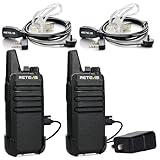 | Retevis RT22 Walkie Talkies Long Range Rechargeable with Earpiece (2 Pack) | Check Price On Amazon |
 | Midland GXT1000VP4 GMRS Two-Way Radios with Headsets, Black, 2 Pack | Check Price On Amazon |
 | Retevis RT628 Walkie Talkies for Kids,Toys Gifts for 6-12 Years Old Boys Girls,Long Range 2 Way Radio 22CH VOX,Birthday Gift,Family Walkie Talkie for Camping Hiking Indoor Outdoor | Check Price On Amazon |