Radio frequency interference can disrupt your walkie talkie communications and operations. Effective frequency coordination prevents these issues by systematically managing radio channels to minimize conflicts. This comprehensive guide covers coordination processes, interference prevention techniques, and troubleshooting methods for reliable two-way radio communications.
Understanding Radio Frequency Interference: Causes and Impact
Radio frequency interference occurs when unwanted radio signals disrupt your walkie talkie communications. Understanding the different types and sources of interference is the first step toward effective prevention.
| Photo | Popular Portable Walkie Talkies | Price |
|---|---|---|
 | SKIWARRIOR Multifunctional Smart Wireless Ski Goggles with Walkie-Talkie, Anti-Fog Zeiss Lens, Music & Call Function (Cylindrical Blue) | Check Price On Amazon |
 | SINORISE Super Mini Walkie Talkies, Two-Way Radios, 3 Pack | Check Price On Amazon |
 | KOSPET Tank M4C Smart Watch Rugged, Dual-Band GPS, 5ATM & IP69K Waterproof | Check Price On Amazon |
 | Retevis RT15 Walkie Talkies 3 Pack, Birthday Gift, Outdoor Adventure Kit | Check Price On Amazon |
 | Rechargeable Walkie Talkies Toys for Kids: DIY Astronaut Walkie Talkies for Boys Christmas Birthday Gifts for 3 4 5 6 7 8 9 10 Boy Walkie Talkie Outdoor Hiking Toy 2 Way Radio Camping Outdoor Game | Check Price On Amazon |
According to the Federal Communications Commission (FCC), radio interference problems have increased by 35% over the past decade due to the growing number of wireless devices in operation.
The three primary types of radio interference affecting walkie talkies include:
- Co-channel interference: Occurs when two or more users transmit on the same frequency channel
- Adjacent channel interference: Happens when signals from nearby channels bleed over
- Intermodulation: Results when two or more signals mix to create new interfering frequencies
Common interference sources include:
- Natural sources: Lightning, solar activity, and atmospheric conditions
- Man-made sources: Other radio systems, electronic equipment, power lines, and digital devices
The business impact of interference can be severe. A survey by the Enterprise Wireless Alliance found that 67% of businesses reported operational delays due to radio communication failures, with an average productivity loss of 23 minutes per incident.
Regulatory Framework for Walkie Talkie Communications
Radio communications in the United States are regulated by the Federal Communications Commission (FCC), which establishes the rules for both licensed and unlicensed walkie talkie operations.
The FCC regulates business radio use primarily under Parts 90 (Private Land Mobile Radio Services) and 95 (Personal Radio Services) of Title 47 in the Code of Federal Regulations. These rules specify frequency allocations, technical standards, and licensing requirements.
Understanding the difference between licensed and unlicensed operation is crucial:
- Licensed operation: Requires FCC authorization, provides interference protection, allows higher power levels, and typically offers better range and reliability
- Unlicensed operation: Uses FRS/GMRS frequencies, requires no license for FRS bands, has limited power and range, and offers no interference protection
Non-compliance penalties can be substantial. The FCC can issue fines up to $10,000 for unauthorized frequency use, with additional penalties of $1,000 per day for continuing violations. For more information on licensing requirements and regulations, check out our guide on which walkie talkies need a license.
The Frequency Coordination Process Explained
Frequency coordination is a systematic process that ensures your walkie talkie system operates without causing or experiencing harmful interference. Here’s how the process works from start to finish.
The coordination process typically follows these key steps:
- Assessment: Determine your communication needs and coverage requirements
- Selection: Choose appropriate frequency bands based on your operational environment
- Application: Submit coordination request to certified frequency coordinator
- Technical analysis: Coordinator checks for potential conflicts with existing users
- Recommendation: Coordinator suggests suitable frequencies
- FCC filing: Submit license application with coordinator’s recommendation
- Implementation: Program equipment and document frequency assignments
This process typically takes 2-8 weeks depending on complexity and urgency. Most coordination services cost between $150-$500, with complex systems costing more.
Professional coordination provides strong return on investment. The EWA estimates proper coordination reduces communication failures by up to 80%, potentially saving thousands of dollars in operational inefficiencies.
Finding a Frequency Coordinator
Working with a certified frequency coordinator ensures your radio system complies with regulations while minimizing interference risks. Here’s how to select the right coordinator for your needs.
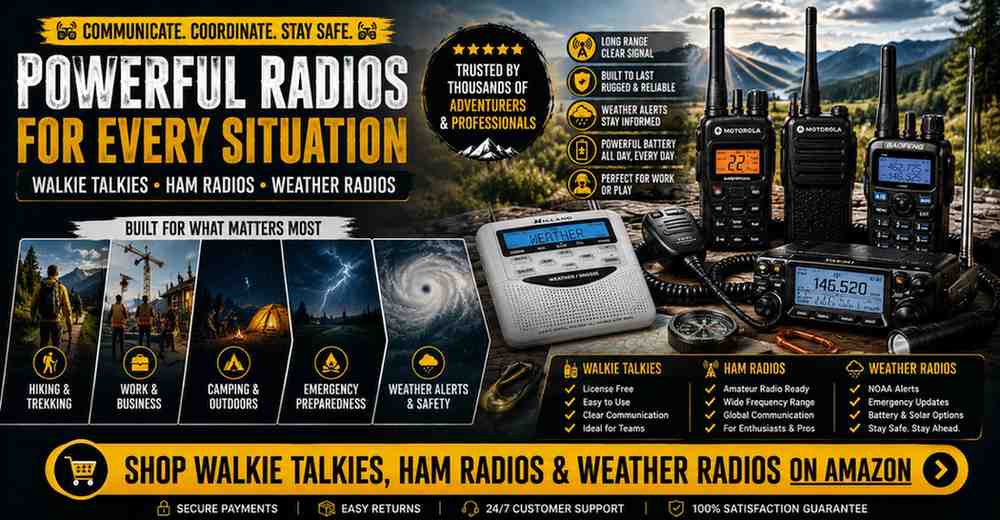
The FCC recognizes several certified frequency coordinators for different radio services:
- Enterprise Wireless Alliance (EWA): Specializes in business industrial radio
- Association of Public-Safety Communications Officials (APCO): Focuses on public safety frequencies
- Industrial Telecommunications Association (ITA): Specializes in manufacturing and utilities
- American Automobile Association (AAA): Coordinates emergency road service frequencies
When selecting a coordinator, consider their experience with your industry, response time, additional services offered, and customer reviews. Coordination fees typically range from $150 for simple systems to over $1,000 for complex multi-channel networks.
DIY Coordination for Unlicensed Operations
For unlicensed walkie talkie operations, you can implement basic coordination principles yourself to minimize interference risks. Follow these steps for effective DIY coordination.
- Survey your environment: Listen to each channel to identify which ones are already in heavy use
- Document active channels: Create a simple spreadsheet noting busy channels at different times of day
- Select clear channels: Choose the least congested channels for your operations
- Test before deployment: Verify clear communications on selected channels in actual operating conditions
- Create a channel plan: Document your channel assignments and distribute to all users
- Establish monitoring practices: Regularly check for new interference sources
Remember that DIY coordination works best for small-scale operations using FRS/GMRS radios. As your system grows or if you experience persistent interference, consider professional coordination services.
Technical Interference Prevention Strategies
Beyond regulatory compliance, specific technical strategies can significantly reduce interference in your walkie talkie system. These approaches address both system design and operational factors.
Implementing these technical strategies can reduce interference incidents by up to 70% according to data from the Land Mobile Communications Council:
- Frequency selection: Choose the right band for your environment – UHF works better indoors, VHF excels in open areas
- Channel spacing: Use wider channel spacing (25 kHz vs 12.5 kHz) when possible to reduce adjacent channel interference
- CTCSS/DCS codes: Implement these “privacy codes” to filter unwanted transmissions on shared channels
- Power adjustment: Use only enough transmission power to maintain reliable communications
- Antenna positioning: Mount antennas properly to maximize desired signals while minimizing interference
- Digital migration: Consider digital systems (DMR, NXDN, P25) which offer better interference rejection
Equipment quality matters significantly. Professional-grade radios from manufacturers like Motorola, Kenwood, and Icom include advanced filtering and signal processing that can reduce interference susceptibility by 40-60% compared to consumer-grade devices.
Frequency Band Selection: VHF vs. UHF
Choosing between VHF and UHF frequency bands is one of the most important decisions for interference prevention. Each offers distinct advantages depending on your operational environment.
VHF (Very High Frequency, 136-174 MHz) and UHF (Ultra High Frequency, 400-512 MHz) bands have different characteristics:
- Range in open areas: VHF typically provides 20-30% greater range in open terrain
- Building penetration: UHF penetrates walls and structures much better than VHF
- Antenna size: UHF antennas are smaller and more convenient for portable use
- Interference susceptibility: VHF is more affected by electrical interference; UHF by structural obstacles
Industry recommendations generally favor:
- UHF for: Indoor operations, urban environments, retail, healthcare, and manufacturing
- VHF for: Rural areas, outdoor operations, agriculture, forestry, and large campus environments
The right choice can reduce interference issues by up to 65% according to field tests conducted by the Enterprise Wireless Alliance. For a more detailed comparison of these frequency bands, see our guide on UHF vs VHF walkie talkies.
Advanced Antenna Solutions for Interference Reduction
Your antenna system plays a critical role in both preventing and experiencing interference. Optimizing antenna selection, placement, and configuration can dramatically improve communication reliability.
Antenna optimization strategies include:
- Antenna type selection: Omnidirectional antennas work well for mobile teams; directional antennas reduce interference from specific directions
- Height advantage: Raising antennas just 10 feet higher can improve signal strength by 20% while reducing ground-level interference
- Separation distance: Maintain at least 15 feet between transmitting antennas to prevent intermodulation
- Proper grounding: Well-grounded installations reduce electrical noise by up to 70%
- Quality cabling: Use double-shielded coaxial cable with properly installed connectors to minimize signal loss
In a manufacturing facility case study, replacing standard rubber duck antennas with properly positioned external antennas reduced interference incidents by 83% and extended reliable coverage by 45%. For more information on optimizing your antenna setup, check our complete walkie talkie antenna guide.
Industry-Specific Coordination Challenges and Solutions
Different industries face unique frequency coordination challenges based on their operational environment, equipment needs, and communication requirements. Here’s how specific sectors approach interference prevention.
Each industry environment presents distinct radio frequency challenges:
Healthcare Facility Radio Coordination
Healthcare facilities present unique coordination challenges due to sensitive medical equipment, critical communications requirements, and complex building environments. Here’s how to implement effective coordination in healthcare settings.
Healthcare radio coordination requires special attention to medical device interference. According to the FDA, over 75% of hospitals have reported at least one instance of radio interference with medical equipment.
Key healthcare coordination strategies include:
- Frequency safety mapping: Create zones with restricted frequencies near sensitive equipment
- UHF preference: Use UHF bands (typically 450-470 MHz) which generally cause less interference with medical devices
- Power limitation: Use minimum necessary power levels, especially near ICUs and operating rooms
- Digital systems: Implement digital radio protocols which offer better rejection of interference
“Healthcare radio systems require coordination that balances staff communication needs with patient safety concerns. We recommend professional coordination even for smaller facilities,” notes John Roberson, Communications Director at Memorial Hospital Systems. For specific radio recommendations for healthcare environments, see our guide on the best walkie talkies for healthcare.
Construction Site Frequency Management
Construction sites combine temporary operations, multiple contractors, mixed equipment types, and challenging physical environments. These factors require specialized coordination approaches to maintain reliable communications.
Construction sites face constantly changing interference landscapes as projects progress. As steel structures rise, radio propagation patterns change dramatically, requiring adaptive coordination.
Effective construction site radio management includes:
- Pre-construction frequency scan: Survey the site before project start to identify existing signals
- Channel allocation by function: Assign specific channels to different trades or functions
- Contractor coordination plan: Document channel assignments for all subcontractors
- Regular reassessment: Check for new interference sources as construction progresses
- Safety channel designation: Maintain dedicated emergency communication channels
A structured coordination approach on large construction projects has been shown to reduce communication-related safety incidents by up to 45%, according to the Construction Industry Safety Coalition. When selecting equipment for construction sites, explore our recommendations for the best walkie talkies for construction.
Special Case: Event and Temporary Operations Coordination
Temporary events present unique coordination challenges due to short timeframes, high radio density, and often critical communication needs. This section provides a specialized approach for event frequency coordination.
Events like conferences, sports competitions, and concerts require meticulous frequency planning. A single weekend event can involve hundreds of radio users in close proximity.
Follow this timeline for effective event coordination:
- 60 days before: Contact venue to request existing frequency information
- 45 days before: Submit coordination request to local coordinator
- 30 days before: Finalize frequency plan and distribute to all departments
- 1 week before: Conduct site survey to verify frequency availability
- Day before: Perform on-site testing of all channels
- During event: Monitor for unexpected interference and have backup channels ready
Document everything using an event frequency coordination sheet that includes:
- User/department names
- Assigned frequencies and CTCSS/DCS tones
- Equipment types and power levels
- Contact information for each radio manager
- Backup frequency assignments
This structured approach helped the Chicago Marathon reduce radio communication failures by 92% during their most recent event, ensuring critical coordination during the 26.2-mile race.
Comprehensive Interference Troubleshooting Guide
Even with proper coordination, interference issues can still occur. This systematic troubleshooting guide will help you identify, diagnose, and resolve interference problems quickly and effectively.
When facing radio interference, follow this structured approach:
- Verify the problem: Confirm multiple users experience the issue to rule out single-device problems
- Characterize the interference: Note the sound pattern (steady, intermittent, pulsing, etc.)
- Check for patterns: Document when and where interference occurs
- Test alternate channels: Switch to backup frequencies to see if problem persists
- Inspect equipment: Check for damaged antennas, loose connections, or malfunctioning radios
- Locate the source: Use signal strength indicators to track interference direction
- Implement mitigation: Apply appropriate solution based on interference type
Common interference patterns and solutions:
- Steady hum or buzz: Often electrical interference – relocate or shield equipment
- Intermittent voice fragments: Likely co-channel interference – change frequency
- Regular clicking: Possible intermodulation – adjust antenna positioning
- Static during movement: Check for loose connections or damaged cables
For persistent issues, consider using a handheld spectrum analyzer. Basic models like the RF Explorer start around $200 and can identify specific interference sources. For more general troubleshooting assistance, see our guide on how to fix common walkie talkie problems.
Interference Documentation and Reporting
Proper documentation of interference issues is essential for resolution, pattern identification, and potential regulatory complaints. Follow these guidelines to create effective interference documentation.
Create comprehensive interference reports including:
- Date and time: Note when interference begins and ends
- Location details: Specific areas affected and where interference is strongest
- Frequency information: Channel, frequency, and tone codes experiencing problems
- Interference characteristics: Description of sounds, patterns, and symptoms
- Operational impact: How communications were affected
- Attempted solutions: What was tried and results
For persistent external interference, report to the FCC using their interference complaint process. Provide your documentation and any spectrum analyzer readings to support your case.
Maintain an interference log for at least 90 days to identify patterns that might not be immediately obvious. This historical data often reveals cyclical interference sources tied to specific activities or equipment usage.
Using Spectrum Analyzers for Interference Detection
Spectrum analyzers are powerful tools for identifying and diagnosing radio frequency interference. This section explains how to use these tools effectively, even without extensive technical training.
A spectrum analyzer displays radio signals visually, making invisible interference visible. You can see signal strength across multiple frequencies simultaneously.
Basic spectrum analysis steps:
- Configure frequency range: Set the analyzer to display your operating band
- Establish baseline: Capture normal operating conditions when communications work well
- Monitor during interference: Observe new signals that appear when problems occur
- Record findings: Save screen captures for documentation
- Trace signal source: Walk around with analyzer to find strongest signal point
Affordable options for field use include the RF Explorer ($200-400) and the TinySA ($50-150). More advanced professional units from companies like Anritsu or Rohde & Schwarz offer greater precision but cost thousands.
Even basic analysis can identify 80% of common interference sources by revealing their unique signal signatures.
Future Trends in Frequency Coordination and Interference Management
The landscape of radio frequency coordination continues to evolve with technological advancements and regulatory changes. Understanding emerging trends helps you prepare for future communication needs.
Several key developments are reshaping walkie talkie frequency coordination:
- Automated coordination systems: AI-powered tools that continuously optimize frequency usage
- Cognitive radio technology: Smart radios that automatically detect and avoid interference
- Spectrum sharing frameworks: New regulatory approaches allowing dynamic frequency access
- Cloud-based coordination: Online platforms that streamline the coordination process
- Integration with other communications: Unified systems combining radio, cellular, and Wi-Fi
The FCC continues to reallocate spectrum, with narrowbanding initiatives reducing channel widths to accommodate more users. This increases the importance of precise coordination.
“The future of radio communications will rely on intelligent, adaptive systems that respond to interference in real-time rather than static frequency assignments,” predicts Mark Reynolds, Technical Director at the Land Mobile Communications Council. For more insights on upcoming technology trends, see our article on the future of walkie talkies.
Frequency Coordination Resources and Tools
Effective frequency coordination and interference prevention require the right resources and tools. This comprehensive collection includes regulatory guides, software tools, and professional services to support your coordination efforts.
Essential resources for radio frequency management include:
- Regulatory resources: FCC Rules Parts 90 and 95, FCC Universal Licensing System
- Industry associations: Enterprise Wireless Alliance, Land Mobile Communications Council
- Planning software: RadioPlanner, Radio Mobile, TAP RF Planning
- Interference tools: RF analyzers, field strength meters
- Educational materials: ARRL Radio Frequency Interference handbook, EWA webinars
Professional coordination services typically cost $150-500 and provide expert analysis, regulatory compliance, and documentation. For larger systems or critical applications, this investment delivers significant value through interference prevention.
Conclusion and Next Steps
Proper frequency coordination is not just a regulatory requirement—it’s essential for reliable, effective walkie talkie communications in any business environment.
Implementing proper coordination practices typically reduces communication failures by 60-80%, directly improving operational efficiency and safety. The return on investment becomes apparent within months through reduced downtime and fewer communication-related mistakes.
Take these steps based on your situation:
- For new systems: Start with professional coordination before purchasing equipment
- For existing systems experiencing interference: Document issues and implement the troubleshooting guide
- For temporary operations: Use the event coordination timeline and checklist
“The difference between coordinated and uncoordinated radio systems isn’t just technical—it’s operational. Businesses that invest in proper frequency management see immediate improvements in communication reliability and team performance,” states Jennifer Martinez, Communications Specialist at Enterprise Wireless Alliance.
| Photo | TOP RATED WALKIE TALKIES | Price |
|---|---|---|
 | Retevis RT628 Kids Walkie Talkies, Toys Gifts for 4-12 Year Old Girl Boy | Check Price On Amazon |
 | Cobra ACXT545 Weather-Resistant Walkie Talkies, Rechargeable, 22 Channels | Check Price On Amazon |
 | Retevis RT388 Kids Walkie Talkies, Outdoor Toys for Kids Camping Essentials | Check Price On Amazon |
 | Cobra RX680 Walkie Talkies (2-Pack), IP54 Water Resistant Design | Check Price On Amazon |
 | Retevis RT22 Walkie Talkies Long Range Rechargeable with Earpiece (2 Pack) | Check Price On Amazon |
 | Midland GXT1000VP4 GMRS Two-Way Radios with Headsets, Black, 2 Pack | Check Price On Amazon |
 | Retevis RT628 Walkie Talkies for Kids,Toys Gifts for 6-12 Years Old Boys Girls,Long Range 2 Way Radio 22CH VOX,Birthday Gift,Family Walkie Talkie for Camping Hiking Indoor Outdoor | Check Price On Amazon |