
Aviation radio firmware updates are essential for maintaining safe, compliant, and efficient aircraft communication systems. These updates fix bugs, enhance features, and address critical safety issues in your avionics. This guide covers everything pilots and aircraft owners need to know about when updates are necessary and how to perform them correctly across different equipment types.
Understanding Aviation Radio Firmware: What It Is and Why It Matters
Aviation radio firmware serves as the foundational software that controls the core functionality of your aircraft’s communication systems. Unlike databases that contain navigation information, firmware determines how your equipment actually operates.
| Photo | Popular Portable Walkie Talkies | Price |
|---|---|---|
 | SKIWARRIOR Multifunctional Smart Wireless Ski Goggles with Walkie-Talkie, Anti-Fog Zeiss Lens, Music & Call Function (Cylindrical Blue) | Check Price On Amazon |
 | SINORISE Super Mini Walkie Talkies, Two-Way Radios, 3 Pack | Up to 12 Hours Battery Life, for Baseball Coaches, Restaurants, Retail Stores, Hospitals, Outdoor Sports & Travel | Check Price On Amazon |
 | KOSPET Tank M4C Smart Watch Rugged, Dual-Band GPS, 5ATM & IP69K Waterproof | 1.96" AMOLED Display, 170+ Sport Modes, Built-in LED Flashlight/Walkie-Talkie, Heart Rate/Sleep Monitor for Android & iPhone | Check Price On Amazon |
 | Retevis RT15 Walkie Talkies 3 Pack, Birthday Gift, Outdoor Adventure Kit | Durable, Lightweight, VOX, Key Lock, Mini Walkie Talkies for Adults, School Family Outdoor Travel Camping Hiking | Check Price On Amazon |
 | Rechargeable Walkie Talkies Toys for Kids: DIY Astronaut Walkie Talkies for Boys Christmas Birthday Gifts for 3 4 5 6 7 8 9 10 Boy Walkie Talkie Outdoor Hiking Toy 2 Way Radio Camping Outdoor Game | Check Price On Amazon |
Firmware is distinct from both software and databases in aviation systems:
- Firmware: Embedded operating instructions that control how radio hardware functions
- Software: Applications that run on top of firmware to provide specific features
- Database: Information sets (like navigation points) that your system references
Modern aviation radios rely on firmware for critical functions including transmission power management, frequency stability, and signal clarity and range performance. When manufacturers discover improvements or fixes, they release firmware updates.
Recent firmware updates across major brands like Garmin, Honeywell, and Aspen have delivered significant improvements:
- Enhanced ADS-B integration capabilities
- Improved frequency stability in extreme temperatures
- Fixed bugs causing rare but problematic transmission issues
- Added support for new communication protocols
Outdated firmware can lead to various issues ranging from minor annoyances to serious safety concerns. In some cases, old firmware may cause communication failures during critical flight phases or prevent proper integration with newer systems.
When to Update Your Aviation Radio Firmware: A Decision Framework
Determining when to update your aviation radio’s firmware requires balancing several factors: safety considerations, regulatory requirements, operational benefits, and practical constraints.
Use this decision framework to evaluate each update opportunity:
- Safety Impact: Does the update address potential safety issues?
- Regulatory Requirements: Is the update mandated by aviation authorities?
- Operational Benefits: Will the update improve functionality or reliability?
- Installation Complexity: Can the update be performed without extensive downtime?
- Cost Factors: Are the benefits worth the expense?
Manufacturer service bulletins provide crucial information about firmware updates. When reviewing these bulletins, pay close attention to:
- Classification level (mandatory, recommended, or optional)
- Safety implications described in the bulletin
- Compliance timeframes
- Affected serial numbers and model variants
Timing updates strategically can minimize operational disruption. Consider scheduling updates during:
- Annual inspections when the aircraft is already down for maintenance
- Seasonal periods when you fly less frequently
- Planned avionics upgrades where technicians will already be working on systems
Watch for these warning signs that indicate firmware updates may be needed:
- Unexpected radio resets or failures
- Difficulty establishing or maintaining communications
- Error messages during startup or operation
- Integration issues with other avionics components
Critical Safety Updates: When Immediate Action Is Required
Some firmware updates address critical safety issues that require immediate attention, regardless of convenience or cost considerations.
Critical safety updates typically include specific language in service bulletins such as “safety alert,” “mandatory compliance,” or “airworthiness concern.” Manufacturers don’t use these terms lightly—they indicate genuine safety issues.
Examples of past critical updates include:
- Fixes for radios that could unexpectedly switch frequencies during transmission
- Corrections for units that might fail during certain weather conditions
- Patches for systems vulnerable to interference that could block emergency communications
According to Mark Reynolds, FAA Avionics Inspector, “Ignoring critical firmware updates can potentially compromise the safety of flight operations and may violate operating requirements depending on how the equipment is used.”

Documentation of critical updates is particularly important. Keep records of:
- Service bulletin number and compliance date
- Work performed and by whom
- Test results confirming proper operation
Remember that liability considerations come into play with critical updates. In case of an incident, investigators will check whether all required updates were applied.
Non-Critical Updates: Balancing Benefits Against Costs and Downtime
Most firmware updates fall into the non-critical category, where you’ll need to weigh potential benefits against practical considerations like cost, downtime, and compatibility.
| Update Type | Typical Benefits | Cost Considerations | Urgency Level |
|---|---|---|---|
| Feature Enhancement | New capabilities, improved interface | $200-500 service fee | Low |
| Bug Fix | Resolves annoying but non-critical issues | $150-300 service fee | Medium |
| Compatibility | Integration with newer equipment | $250-600 service fee | Medium-High |
Grouping multiple updates during a single maintenance event can significantly reduce costs. For example, combining a radio firmware update with your annual inspection might save $200-300 in labor charges.
When evaluating manufacturer claims about update benefits, look for specific improvements rather than vague promises. “Improved performance” means little without context, but “15% better reception in high-traffic areas” provides a measurable benefit.
There are legitimate scenarios where postponing updates makes sense:
- When flying season is at its peak and downtime would be especially disruptive
- When you plan to replace the equipment within the next 6-12 months
- When the update addresses features you never use
Regulatory Requirements: Understanding When Updates Are Mandatory
Beyond manufacturer recommendations, certain firmware updates become mandatory through regulatory requirements that vary based on your aircraft type and operations.
FAA requirements differ significantly across operating rules:
- Part 91 (General Aviation): Typically less stringent, with updates often required only when tied to Airworthiness Directives
- Part 135 (Charter): More rigorous requirements, particularly for systems used in IFR operations
- Part 121 (Airlines): Most strict, with detailed requirements for update compliance and documentation
ADS-B and NextGen compliance often drives mandatory updates. For example, many aircraft equipped with early ADS-B systems required firmware updates to meet the performance requirements specified in §91.227 for operation in controlled airspace.
International operations introduce additional regulatory variations as standards differ worldwide. Aircraft crossing international boundaries may need specific firmware versions to comply with regional requirements like European P-RNAV or Canadian ADS-B mandates.
To verify if an update is regulatory required:
- Check for references to FAA Airworthiness Directives in service bulletins
- Review equipment requirements for specific operations you conduct
- Consult with your avionics shop or maintenance provider
- Check the FAA’s regulatory guidance for your specific equipment
Documentation for regulatory-required updates must be particularly thorough, including:
- Reference to the specific regulatory requirement
- Verification of proper installation and testing
- Appropriate logbook entries
- Retention of compliance documentation
Planning Your Aviation Radio Firmware Update: Preparation Checklist
Successful aviation radio firmware updates begin with proper planning. This comprehensive checklist will help you prepare for a smooth update process regardless of your equipment type.
Pre-Update Checklist
- Verify the correct firmware version for your specific model and serial number
- Confirm compatibility with other avionics systems in your aircraft
- Back up current configuration settings if applicable
- Schedule adequate downtime (typically 2-4 hours minimum)
- Arrange for appropriate technical expertise
- Gather all required equipment and materials
- Print manufacturer’s instructions for reference
- Prepare documentation templates for recording the update
Backing up configuration data is essential before any update. Many modern aviation radios store extensive settings that would be time-consuming to recreate:
- Frequency presets
- Audio panel configurations
- User preferences and customizations
- Integration settings with other avionics
The equipment you’ll need varies by manufacturer but typically includes:
- Appropriate data cards (usually SD cards for newer systems)
- Card readers/writers compatible with your computer
- USB drives (for some systems)
- Interface cables specific to your radio model
- Computer with required software (check OS compatibility)
- Documentation materials
Carefully assess whether you should perform the update yourself or hire a professional. Consider:
- Your technical comfort level and experience
- Equipment complexity and update difficulty
- Regulatory requirements for your operation type
- Warranty implications of DIY updates
- Access to proper tools and test equipment
Creating a budget for your update should account for:
- Direct costs (parts, software, service fees)
- Downtime costs (rental aircraft if needed)
- Contingency funds for potential complications
- Follow-up testing expenses
How to Update Aviation Radio Firmware: Manufacturer-Specific Procedures
The specific procedures for updating aviation radio firmware vary significantly between manufacturers and equipment types. This section provides detailed, step-by-step guidance for the most common avionics systems.
Aviation radio firmware updates generally fall into three main methods:
- Direct Loading: Connecting a computer directly to the radio
- Card-Based: Transferring updates via SD or other memory cards
- Wireless: Newer systems that can receive updates via Wi-Fi or Bluetooth
Regardless of your specific equipment, certain precautions apply to all firmware updates:
- Ensure stable power supply throughout the process
- Follow the manufacturer’s sequence exactly
- Don’t interrupt updates once started
- Verify completion before returning to service
- Test all functions after updating
The following sections detail procedures for specific manufacturers, starting with the most common systems found in general aviation and business aircraft.
Garmin Aviation Radio Firmware Updates
Garmin avionics systems are among the most common in general aviation and business aircraft. Here’s how to update firmware across their radio product line, from simple comm radios to integrated systems.
For GTN and GNC Series Navigators:
- Download the appropriate update from Garmin’s website or FlyGarmin account
- Format an SD card to FAT32 file system (cards larger than 32GB will not work)
- Extract the downloaded file to the root directory of the SD card
- Power off the aircraft electrical system
- Insert the SD card into the navigator’s card slot
- Power on the avionics (usually requires external power to prevent battery depletion)
- The unit will detect the update and prompt for confirmation
- Follow on-screen instructions to complete the installation
- When prompted, remove the SD card and restart the unit
- Verify the new firmware version in the System → System Status menu
For G1000 Integrated Systems:
- Updates require Garmin’s specific loader card and software
- Each display (PFD/MFD) must be updated separately
- The process typically takes 30-45 minutes per display
- Follow Garmin’s specific sequencing to avoid integration issues
Common Garmin error messages and solutions:
- “Card Read Error”: Usually indicates an incompatible card format or corrupted files
- “Update Interrupted”: Power fluctuation; ensure stable power and try again
- “Version Mismatch”: Attempting to load incorrect version; verify correct file
For additional assistance, Garmin maintains comprehensive support resources at fly.garmin.com/support.
Honeywell Aviation Radio Firmware Updates
Honeywell avionics are prevalent in business and commercial aircraft. Their firmware update procedures typically require more specialized equipment but follow these structured steps.
For Primus Series Radios:
- Obtain the correct firmware package from your authorized Honeywell dealer
- Most updates require Honeywell’s proprietary Data Transfer Unit (DTU)
- Connect the DTU to your computer via USB
- Run the Honeywell Dataloader application
- Load the firmware file into the application
- Connect the DTU to the avionics LRU using the appropriate interface cable
- Apply power to the avionics system
- Initiate the transfer through the Dataloader software
- The software will display progress and verification steps
- Document the update completion in maintenance records
Honeywell equipment often requires specialized knowledge and tools. Most updates should be performed by technicians with Honeywell training. The company maintains strict verification procedures:
- CRC checksum verification
- Post-update self-test sequences
- Operational check requirements
Common Honeywell-specific issues include:
- Interface Time-outs: Often related to cable connections or power issues
- Authentication Failures: May indicate incorrect software for your specific unit
- Verification Errors: Requires complete restart of the process
For most Honeywell systems, professional service is strongly recommended due to the specialized equipment requirements and complexity.
Aspen Avionics Firmware Updates
Aspen Avionics systems, particularly their Evolution flight displays with integrated radio functions, require specific update procedures that differ from other manufacturers.
For Evolution Flight Displays with Radio Functions:
- Visit Aspen’s customer portal to download the appropriate firmware
- Format a USB drive to FAT32 format
- Create a folder named “update” (exactly as shown) on the USB drive
- Copy the downloaded firmware file into this folder
- Power down the aircraft completely
- Remove the bezel of the Aspen unit to access the USB port
- Insert the USB drive into the port
- Apply power to the unit
- The display will show update progress (typically 10-15 minutes)
- When complete, power down, remove the USB drive, and replace the bezel
- Power up and verify the new version in System → About
Aspen units require careful attention to these specific details:
- The folder name “update” must be exact (all lowercase)
- Only one update file should be present on the drive
- The system must remain powered throughout the update
- After update, configuration settings may need to be restored
Common Aspen-specific issues include:
- “File Not Found”: Incorrect folder structure or naming
- “Update Failed”: Often due to incompatible USB drive format
- “Configuration Reset”: Normal after some updates; settings need restoration
For additional guidance, Aspen Avionics provides detailed video tutorials on their support website.
Other Aviation Radio Manufacturers (Collins, Avidyne, etc.)
Beyond the major manufacturers, several other avionics companies produce aviation radios that require periodic firmware updates. Here’s guidance for these systems.
Collins Aerospace (formerly Rockwell Collins):
- Updates typically require the Collins CCA-based loader
- Most Pro Line systems need dealer intervention
- Smaller Collins radios may use USB-based updates
- Detailed procedures are available only to authorized service centers
Avidyne Systems:
- Download software from Avidyne’s website (registration required)
- Format a USB drive to FAT32
- Copy files to the root directory
- Insert drive into the USB port on the front bezel
- Follow on-screen prompts to complete installation
- Update IFD-series navigators before updating any connected radios
BendixKing Equipment:
- Older units typically require factory or dealer service
- Newer systems use SD card updates similar to Garmin procedures
- KSN series navigators update via front-panel SD slot
- AeroWave systems may support remote updates in some configurations
For any manufacturer not specifically covered:
- Always obtain updates directly from the manufacturer or authorized dealer
- Request detailed written procedures before attempting updates
- Consider professional service for first-time updates
- Document the process carefully for future reference
Equipment compatibility issues are common when mixing manufacturers. Pay particular attention to legal boundaries of equipment modifications and ensure all interconnected systems remain compatible after updates.
DIY vs. Professional Updates: Making the Right Choice
One of the most important decisions when planning firmware updates is whether to perform them yourself or hire a professional avionics technician. This choice depends on several factors.
| Factor | DIY Approach | Professional Service |
|---|---|---|
| Cost | $0-50 (materials only) | $150-600+ (labor + materials) |
| Time Required | 2-8 hours (including learning) | 1-3 hours typically |
| Risk Level | Moderate to High | Very Low |
| Equipment Needed | Various cards, cables, software | Already available to technician |
| Documentation | Self-prepared (may be questioned) | Professional (widely accepted) |
| Warranty Impact | May void some warranties | Preserves warranty coverage |
Your decision should consider your experience level and technical comfort. DIY updates may be appropriate if you:
- Have previous experience with avionics systems
- Are comfortable following technical procedures
- Own the necessary equipment and software
- Have adequate time to perform and verify the update
- Fly under Part 91 operations (not commercial)
Regulatory considerations play a major role in this decision. Under Part 91 operations, many updates can be owner-performed, but Part 135 and 121 operations typically require certified technicians with specific authorizations.
The cost analysis should consider more than just the service fee:
- DIY equipment purchases may exceed $200 for one-time use
- Your time has value (8 hours at $50/hr = $400 equivalent)
- Professional updates include verification and testing
- Recovery from failed DIY updates can exceed $1,000
“Many pilots underestimate the complexity of firmware updates,” says Jennifer Carston, Certified Avionics Technician. “What seems straightforward can become complicated when integration issues arise. We see several aircraft each month with problems resulting from incomplete or incorrect updates.”
Insurance and liability considerations favor professional updates. Some insurers may question coverage if problems arise from owner-performed updates, particularly if they affect electrical systems or cause overloading issues.
Troubleshooting Aviation Radio Firmware Update Problems
Even with careful preparation, firmware updates can sometimes encounter issues. This troubleshooting guide will help you diagnose and resolve common problems.
Update Will Not Start
If the update process fails to initiate:
- Verify power is stable and sufficient (use external power when possible)
- Confirm media is correctly formatted (usually FAT32)
- Check that files are in the correct location on the media
- Ensure you’re using the correct procedure for your specific model
- Try an alternate SD card or USB drive (some units are sensitive to specific brands)
Update Interrupted or Failed
If the update starts but fails to complete:
- Do not power off the unit unless specifically instructed
- Note any error codes displayed
- If safe to retry, attempt the update again with stable power
- If second attempt fails, contact manufacturer support
- For critical failures, some units have recovery modes accessible through specific button combinations during power-up
Post-Update Problems
If issues occur after a seemingly successful update:
- Perform a complete power cycle (power off for 30 seconds, then restart)
- Check for lost configuration settings that need restoration
- Verify all connected systems are functioning properly
- Run built-in test functions if available
- For persistent issues, consider reverting to previous firmware if possible
Emergency recovery procedures vary by manufacturer:
- Garmin: Many units support recovery mode by holding specific buttons during power-up
- Honeywell: Typically requires dealer intervention with specialized equipment
- Aspen: Offers USB recovery process detailed in their service documentation
- Avidyne: Provides detailed recovery procedures in maintenance manuals
When deciding whether to continue or abort an update:
- Continue if error messages indicate minor issues like “retry recommended”
- Abort if warnings indicate potential damage or “contact service center”
- Always abort if multiple consecutive failures occur
Document all troubleshooting attempts carefully, including:
- Exact error messages and codes
- Steps taken to resolve
- Results of each attempt
- Final outcome
This documentation proves invaluable if professional assistance becomes necessary.
Documentation and Record-Keeping for Aviation Radio Updates
Proper documentation of aviation radio firmware updates is essential for regulatory compliance, maintenance tracking, and aircraft resale value.
Your documentation should include these key elements:
- Date and location of update
- Aircraft identification (registration number)
- Equipment model and serial number
- Previous firmware version
- New firmware version installed
- Reference to service bulletin or AD (if applicable)
- Name and qualification of person performing update
- Verification tests performed
- Any issues encountered and resolutions
Sample logbook entry format:
“[Date]: Updated [Equipment Model] S/N [Serial Number] firmware from version [Old] to version [New] per [Manufacturer] Service Bulletin [Number]. Performed operational check with satisfactory results. [Name, A&P #XXXXXX or Pilot Certificate #XXXXXX]”
For Part 91 operations, this basic documentation is usually sufficient. Part 135 and 121 operations require additional elements:
- Work order references
- Conformity statements
- Inspector signoffs
- Return-to-service documentation
Digital record-keeping is increasingly common and offers several advantages:
- Easier searching and retrieval
- Ability to include screenshots or photos
- Cloud backup protection
- Simplified sharing with maintenance providers
However, authorized paper records remain the legal standard. “Electronic records are excellent supplements, but not replacements for proper logbook entries,” notes Michael Donovan, FAA Maintenance Inspector. “The signed logbook entry remains the primary legal document.”
Retention requirements for documentation vary:
- Part 91: Until the next major inspection or permanently if related to an AD
- Part 135/121: Typically 2 years or the life of the component
- AD-related: For the life of the aircraft
Complete documentation directly affects airworthiness. Inadequate records of required updates can render an aircraft unairworthy, particularly if the updates were mandated by ADs or other regulatory requirements.
Future Trends in Aviation Radio Firmware Management
The landscape of aviation radio firmware updates is evolving rapidly, with new technologies making the process more efficient and less disruptive to operations.
Wireless update capabilities are becoming increasingly common:
- Newer Garmin systems can update via built-in Wi-Fi connections
- Some Collins systems support Bluetooth-enabled updates
- Avidyne’s IFD products feature wireless update options
- Future systems may update automatically when connected to the internet
Subscription-based models are transforming how updates are delivered:
- Annual subscription services bundling all updates
- Tiered service levels based on aircraft usage patterns
- Combined database and firmware update packages
- Predictive update scheduling based on flight patterns
Cloud-based management systems are streamlining the entire process:
- Centralized tracking of all installed avionics
- Automatic notification of available updates
- Documentation templates and electronic recordkeeping
- Fleet-wide update status monitoring for operators
Integration with predictive maintenance systems represents another frontier:
- Performance data feeding back to manufacturers
- AI-based recommendations for optimal update timing
- Condition-based update recommendations
- Integration with overall aircraft health monitoring
Cybersecurity has become a significant focus in newer systems:
- Encrypted update packages preventing tampering
- Secure authentication requirements
- Automatic vulnerability patching
- Segregated communication systems protecting critical functions
Industry experts predict that by 2025, over 70% of GA aircraft will have some form of wireless update capability, dramatically reducing downtime and simplifying the process for aircraft owners and operators. This shift will also enable faster deployment of safety-critical updates across the fleet.
Conclusion: Best Practices for Aviation Radio Firmware Management
Effective management of aviation radio firmware updates balances safety, compliance, functionality, and operational efficiency.
Follow these best practices to maintain optimal radio performance:
- Create a regular schedule for checking available updates (quarterly is recommended)
- Maintain a detailed inventory of all installed avionics with firmware versions
- Prioritize updates based on safety implications and operational benefits
- Bundle updates when possible to minimize downtime and costs
- Keep comprehensive records of all updates performed
- Test all communications thoroughly after any update
- Stay informed about flight service frequencies for your region that might be affected by radio changes
Developing a consistent protocol for evaluating and implementing updates will save time and prevent oversights. Your protocol should include:
- Regular manufacturer website checks or email alert subscriptions
- Service bulletin review process
- Decision framework application
- Update scheduling procedure
- Documentation templates and storage system
- Post-update verification checklist
Remember that proper maintenance and cleaning of your audio systems between updates is equally important for maintaining clear communications.
To stay informed about new updates, subscribe to:
- Manufacturer email notifications
- Aviation maintenance publications
- Type club newsletters for your aircraft
- Avionics shop bulletins
- FAA Safety Team (FAAST) notices
By following these practices, you’ll ensure your aviation radio systems remain current, compliant, and operating at peak performance, ultimately contributing to safer and more efficient flight operations.
| Photo | TOP RATED WALKIE TALKIES | Price |
|---|---|---|
 | Retevis RT628 Kids Walkie Talkies, Toys Gifts for 4-12 Year Old Girl Boy | Kids Camping Essentials Outdoor Toys, Birthday Gift, 22CH, VOX, Keypad Lock, Durable, Easy to Use Walkie Talkies for Kids | Check Price On Amazon |
 | Cobra ACXT545 Weather-Resistant Walkie Talkies, Rechargeable, 22 Channels | Long Range 28-Mile Two-Way Radio Set (2-Pack) | Check Price On Amazon |
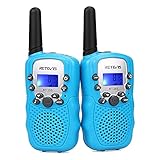 | Retevis RT388 Kids Walkie Talkies, Outdoor Toys for Kids Camping Essentials | 4-12 Year Old Boy Birthday Gift, 22 CH VOX Flashlight Clear Sound, Kids Walkie Talkies 2 Pack for Camping Hiking Adventure | Check Price On Amazon |
 | Cobra RX680 Walkie Talkies (2-Pack), IP54 Water Resistant Design | Rugged & Splashproof Two Way Radios Long Range, 60 Pre-Programmed Channels, Weather Alerts | Check Price On Amazon |
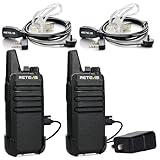 | Retevis RT22 Walkie Talkies Long Range Rechargeable with Earpiece (2 Pack) | Slim & Lightweight 2 Way Radio For Camping & Hiking, Pocket-Friendly Antenna, Ready to Use, 10-Hour Battery, USB-C Charging | Check Price On Amazon |
 | Midland GXT1000VP4 GMRS Two-Way Radios with Headsets, Black, 2 Pack | 50 Channels, 142 Privacy Codes, Up to 36 Mile Long Range, JIS4 Water Resistant, NOAA Weather Alert, Rechargeable NiMH | Check Price On Amazon |
 | Retevis RT628 Walkie Talkies for Kids,Toys Gifts for 6-12 Years Old Boys Girls,Long Range 2 Way Radio 22CH VOX,Birthday Gift,Family Walkie Talkie for Camping Hiking Indoor Outdoor | Check Price On Amazon |