
Walkie talkie batteries typically last 8-16 hours for consumer models and 12-24 hours for professional radios under standard 5-5-90 duty cycles. Battery life varies significantly based on battery chemistry, usage patterns, and power settings. Proper power management can extend runtime by 30-50% and save considerable replacement costs over time.
Whether you’re a public safety professional, industrial user, or outdoor enthusiast, maximizing your two-way radio battery life is crucial for reliable communication when it matters most. This comprehensive guide combines technical expertise with practical field experience to help you implement effective battery management strategies.
| Photo | Popular Portable Walkie Talkies | Price |
|---|---|---|
 | SKIWARRIOR Multifunctional Smart Wireless Ski Goggles with Walkie-Talkie, Anti-Fog Zeiss Lens, Music & Call Function (Cylindrical Blue) | Check Price On Amazon |
 | SINORISE Super Mini Walkie Talkies, Two-Way Radios, 3 Pack | Check Price On Amazon |
 | KOSPET Tank M4C Smart Watch Rugged, Dual-Band GPS, 5ATM & IP69K Waterproof | Check Price On Amazon |
 | Retevis RT15 Walkie Talkies 3 Pack, Birthday Gift, Outdoor Adventure Kit | Check Price On Amazon |
 | Rechargeable Walkie Talkies Toys for Kids: DIY Astronaut Walkie Talkies for Boys Christmas Birthday Gifts for 3 4 5 6 7 8 9 10 Boy Walkie Talkie Outdoor Hiking Toy 2 Way Radio Camping Outdoor Game | Check Price On Amazon |
Understanding Walkie Talkie Battery Life Fundamentals
Before diving into specific strategies, it’s essential to understand what actually determines walkie talkie battery life and how manufacturers measure it. This foundation will help you interpret specifications accurately and set realistic expectations.
The industry standard for measuring walkie talkie battery life is the “5-5-90 duty cycle” – meaning the radio spends 5% of time transmitting, 5% receiving, and 90% in standby mode. This represents typical usage patterns, though your actual usage may vary significantly.
Battery capacity is measured in milliampere-hours (mAh), indicating how much energy the battery can store. Higher mAh ratings generally mean longer runtime, though this isn’t the only factor that matters.
Common battery types used in walkie talkies include:
- Alkaline: 8-16 hours (disposable, common in consumer radios)
- NiMH: 8-14 hours (rechargeable, affordable, medium life)
- NiCd: 10-16 hours (rechargeable, older technology, reliable)
- Li-ion: 12-24 hours (rechargeable, lightweight, longest life)
- LiFePO4: 14-26 hours (rechargeable, newest technology, longest lifecycle)
According to research by the Public Safety Communications Research (PSCR) program, actual runtime can be 10-30% less than manufacturer claims due to variations in usage patterns, environmental factors, and battery age.
Decoding Battery Specifications: What the Numbers Really Mean
Battery specifications often include technical numbers that can be confusing. Here’s how to interpret what those specifications actually mean for real-world performance.
The mAh rating directly relates to potential runtime. To estimate runtime hours, use this formula:
Estimated Runtime = Battery Capacity (mAh) ÷ Average Current Draw (mA)
For example, a 2000mAh battery in a radio that draws an average of 200mA would last approximately 10 hours. However, this simplifies the complex reality of varying power demands.
Here’s how manufacturer claims typically compare to real-world performance:
| Specification | Manufacturer Claim | Real-World Expectation |
|---|---|---|
| Battery Life | 24 hours | 16-20 hours |
| Charge Cycles | 500 cycles | 300-400 cycles |
| Standby Time | 72 hours | 48-60 hours |
Voltage ratings are equally important – they must match your radio’s requirements exactly. Using a battery with incorrect voltage can damage your device or prevent operation entirely.
The 7 Critical Factors That Affect Walkie Talkie Battery Life
Several key factors significantly impact how long your walkie talkie batteries will last. Understanding these variables allows you to optimize settings and usage patterns for maximum battery efficiency.
1. Transmit Power: The Single Biggest Battery Drain
Of all factors affecting battery life, transmit power has the most dramatic impact. Understanding this relationship can help you make strategic power setting decisions.

Most professional walkie talkies offer multiple power settings, typically ranging from 1-5 watts. Higher power settings provide greater range but at a significant cost to battery life:
- High power (4-5W): Consumes 4-6 times more power than standby mode
- Medium power (2-3W): Consumes 2-3 times more power than standby mode
- Low power (1W): Consumes 1.5-2 times more power than standby mode
According to testing by the Telecommunications Industry Association, reducing transmit power from high to low can extend battery life by 30-40% in typical usage scenarios.
For optimal efficiency, use the lowest power setting that maintains reliable communication. Save high power settings for when distance or obstacles require them.
2. Battery Chemistry Differences
Each battery chemistry offers distinct performance characteristics:
- Alkaline: Inexpensive but heavy; good for infrequent use; gradually declining power output
- NiMH: Cost-effective rechargeable option; moderate self-discharge rate; less affected by cold
- NiCd: Excellent in extreme temperatures; consistent power output until nearly depleted; contains toxic cadmium
- Li-ion: Lightweight with highest energy density; longer life but more expensive; sensitive to heat
- LiFePO4: Most charge cycles (2000+); extremely stable and safe; higher initial cost
Select battery chemistry based on your specific operational needs and environmental conditions.
3. Temperature Effects: Protecting Batteries in Extreme Conditions
Temperature has a profound impact on battery chemistry and performance. Operating outside the optimal range can dramatically reduce runtime and damage batteries.
Optimal temperature ranges vary by battery type:
- Li-ion: 32°F to 95°F (0°C to 35°C)
- NiMH/NiCd: 14°F to 104°F (-10°C to 40°C)
- Alkaline: 50°F to 85°F (10°C to 30°C)
Cold temperatures can reduce capacity by 20-50%. At 0°F (-18°C), a Li-ion battery may deliver only 50% of its rated capacity.
Heat accelerates chemical reactions within batteries, causing permanent capacity loss. Above 86°F (30°C), Li-ion batteries begin degrading faster, losing up to 20% capacity per year.
Protect batteries from extreme temperatures by:
- Storing radios inside clothing in cold weather
- Using insulated radio cases
- Keeping spare batteries in temperature-controlled containers
- Avoiding direct sunlight exposure in hot weather
4. Usage Patterns and Duty Cycle
Your actual usage pattern significantly impacts battery life. The standard 5-5-90 duty cycle rarely matches real-world use, especially in high-activity situations.
High-transmission scenarios (like event coordination) might follow a 20-20-60 pattern, reducing battery life by 50-60% compared to the standard duty cycle.
To optimize usage patterns:
- Keep transmissions brief and to the point
- Use text features when available instead of voice
- Develop communication protocols that minimize unnecessary transmissions
- Schedule regular battery swaps during high-activity periods
5. Radio Features and Accessories
Modern walkie talkies include numerous features that consume additional power:
- GPS/location services: Increase power consumption by 15-25%
- Bluetooth connectivity: Adds 5-10% power drain
- Bright displays: Can consume 5-15% of battery capacity
- Scanning multiple channels: Increases receiver power consumption by 10-20%
Accessories also impact battery life:
- Speaker microphones: Add 5-10% power consumption
- Surveillance kits: Generally power-efficient
- Wireless headsets: Can reduce battery life by 15-30%
6. Battery Age and Degradation
All rechargeable batteries degrade over time due to chemical changes within the cells:
- Li-ion: Typically loses 20% capacity after 300-500 charge cycles
- NiMH: Degrades after 300-500 cycles
- NiCd: Maintains performance for 500-1000 cycles
- LiFePO4: Maintains performance for 1500-2000+ cycles
Calendar aging also affects batteries even when not in use. Li-ion batteries typically lose 5-10% capacity per year regardless of usage.
7. Signal Conditions
Poor signal conditions force radios to work harder during both transmission and reception:
- Weak signals cause automatic gain control circuits to draw more power
- Transmitting in areas with obstructions can trigger automatic power increases
- Fringe coverage areas increase power consumption by 10-30%
Position yourself for optimal signal conditions whenever possible to maximize battery efficiency.
Comprehensive Power Management Strategies for Maximum Battery Life
Implementing the right power management strategies can significantly extend your walkie talkie’s battery life. These proven techniques optimize both usage patterns and device settings.
Essential Radio Settings That Extend Battery Life
Your walkie talkie’s settings can significantly impact battery consumption. These specific configuration changes can extend runtime by 20-40% without compromising essential functionality.
- Reduce Transmit Power: Set to low or medium power when full range isn’t needed
- Optimize Display Settings: Reduce brightness and set shorter backlight timeouts
- Disable Unnecessary Alerts: Turn off non-essential tones and vibrations
- Manage GPS/Location Features: Disable when not needed or reduce update frequency
- Control Bluetooth Connectivity: Turn off when not actively using wireless accessories
- Adjust VOX Sensitivity: If using voice-activated transmission, set appropriate sensitivity
- Limit Channel Scanning: Scan only essential channels or disable when not needed
For common radio brands, access power management settings through:
- Motorola: Menu → Utilities → Radio Settings → Power
- Kenwood: Menu → Configuration → Power Settings
- Icom: Set → Power Management
- Midland: Menu → Setup → Power
Transmission Discipline Techniques
Since transmitting consumes the most power, disciplined communication techniques significantly extend battery life:
- Plan messages before transmitting
- Use brevity codes or standardized messages
- Implement press-to-talk discipline (think, press, speak, release)
- Consider text messaging when available (uses 70-90% less power than voice)
- Establish communication windows for non-emergency situations
Battery Types Compared: Choosing the Right Chemistry for Your Needs
Different battery chemistries offer distinct advantages and limitations. Selecting the right type for your specific usage scenario can dramatically improve performance and reliability.
| Battery Type | Typical Runtime | Pros | Cons | Best For |
|---|---|---|---|---|
| Alkaline (Disposable) | 8-16 hours | – Low initial cost – Widely available – Long shelf life (7-10 years) | – Not rechargeable – Environmentally problematic – Heavy | Emergency kits, infrequent use, backup power |
| Nickel-Metal Hydride (NiMH) | 8-14 hours | – Rechargeable (300-500 cycles) – Affordable – No memory effect | – High self-discharge rate – Less capacity than Li-ion – Performance degrades in cold | Regular use in moderate conditions, budget-conscious users |
| Nickel-Cadmium (NiCd) | 10-16 hours | – Excellent in extreme temps – Consistent power output – Long service life (500-1000 cycles) | – Contains toxic cadmium – Memory effect – Lower energy density | Extreme environments, industrial applications |
| Lithium-Ion (Li-ion) | 12-24 hours | – Lightweight – Highest energy density – Low self-discharge | – More expensive – Performance declines in extreme cold – Fire risk if damaged | Professional use, weight-conscious applications |
| Lithium Iron Phosphate (LiFePO4) | 14-26 hours | – Extremely long cycle life (2000+) – Very safe chemistry – Excellent temperature stability | – Highest initial cost – Slightly lower energy density than Li-ion – Limited availability | Mission-critical applications, long-term reliability |
From a cost perspective, rechargeable batteries provide significant savings over time. A quality Li-ion battery might cost $40-70 but can replace hundreds of alkaline batteries over its lifespan.
The Truth About Aftermarket vs. OEM Batteries
The decision between manufacturer (OEM) and third-party batteries involves important tradeoffs in cost, performance, and reliability. This analysis helps you make an informed choice.
OEM batteries typically cost 30-60% more than aftermarket options but offer several advantages:
- Guaranteed compatibility with charging systems
- Consistent performance specifications
- Better quality control and testing
- Warranty protection for both battery and radio
Quality aftermarket batteries from reputable manufacturers can provide 85-95% of OEM performance at significantly lower costs. According to independent testing by the Portable Rechargeable Battery Association, premium aftermarket batteries from brands like Power Products, Impact, and Powerwerx often match OEM specifications.
For critical operations, OEM batteries remain the safest choice. For regular use in non-critical applications, quality aftermarket batteries offer excellent value.
Warning signs of poor-quality aftermarket batteries include:
- Substantially lower prices (more than 70% below OEM)
- Missing certification markings
- Vague specifications or unrealistic claims
- Poor fit in battery compartments or chargers
Definitive Battery Testing Guide: How to Accurately Assess Battery Performance
Proper battery testing allows you to identify issues before they cause operational problems and determine when replacement is necessary. These methods range from basic field tests to advanced diagnostic procedures.
DIY Battery Testing: No Special Equipment Required
You don’t need expensive equipment to perform basic battery assessment. These practical field tests can help you evaluate battery condition using just your radio and simple observation.
- Runtime Test:
- Fully charge the battery
- Reset the radio’s battery indicator
- Use the radio normally and record how long it lasts
- Compare to expected runtime (less than 70% indicates degradation)
- Comparative Testing:
- Mark and number your batteries
- Use each under similar conditions
- Track which batteries consistently underperform
- Load Testing:
- Fully charge the battery
- Set radio to high power
- Transmit for 15-30 seconds while monitoring power drop
- Rapid drops indicate degraded capacity
- Visual Inspection:
- Check for bulging, leaking, or corrosion
- Inspect contact points for damage or dirt
- Verify battery sits properly in radio and charger
Document results using a simple tracking system – a notebook or spreadsheet with battery ID, date, test results, and observations provides valuable longitudinal data.
Using Battery Analyzers and Advanced Diagnostic Tools
For professional users and organizations managing multiple radios, battery analyzers provide detailed performance data and predictive maintenance capabilities. Here’s how to use these advanced tools effectively.
Battery analyzers perform controlled charge-discharge cycles while measuring capacity, internal resistance, and other parameters. This provides objective data about battery health and remaining useful life.
For Motorola IMPRES battery users, the IMPRES Battery Reader (check price on Amazon) provides detailed information including:
- Actual capacity as percentage of rated capacity
- Number of charge cycles completed
- Manufacturing date
- Battery chemistry and voltage
Universal analyzers like the West Mountain Radio CBA IV (check price on Amazon) work with virtually any battery type and provide comprehensive performance data:
- Connect the fully charged battery to the analyzer
- Select the appropriate test profile for your battery type
- Run a complete discharge test at a controlled rate
- Review capacity results and discharge curve
Interpreting analyzer data:
- Capacity below 80% of rated value indicates significant degradation
- Irregular discharge curves suggest internal damage
- High internal resistance readings indicate end-of-life conditions
Battery Maintenance and Charging Best Practices
Proper maintenance and charging procedures significantly extend battery lifespan and ensure consistent performance. Follow these evidence-based practices to maximize your investment.
Charging Procedures by Battery Chemistry
Each battery type requires specific charging approaches:
- Li-ion/LiFePO4:
- Use only manufacturer-approved chargers
- Partial charges are fine – no need to fully discharge
- Avoid charging in extreme temperatures
- Optimal long-term storage at 40-60% charge
- NiMH:
- Complete discharge/charge cycles monthly to maintain capacity
- Use smart chargers that prevent overcharging
- Store at room temperature, fully charged
- NiCd:
- Perform full discharge/charge cycles every 1-2 months
- Can be stored in any charge state
- Avoid high-temperature environments
Common charging mistakes that damage batteries include:
- Using incorrect chargers (wrong voltage or current)
- Charging at extreme temperatures
- Leaving batteries in chargers for weeks continuously
- Using damaged charging equipment
The Truth About Battery Memory Effect and Modern Batteries
Battery memory effect is widely misunderstood and has led to many counterproductive practices. Here’s what modern science tells us about this phenomenon and how it should impact your charging habits.
True memory effect only occurs in nickel-cadmium (NiCd) batteries and happens when a battery is repeatedly recharged after being partially discharged to the same level. The battery “remembers” this discharge level and eventually loses capacity beyond this point.
Contrary to popular belief, Li-ion and NiMH batteries do NOT suffer from true memory effect. According to research from Battery University, the “memory” issues in these batteries are actually different phenomena:
- Li-ion batteries experience voltage depression from limited voltage cycling but not true memory effect
- NiMH batteries can experience voltage depression that mimics memory effect but recovers with full cycling
Modern charging recommendations based on battery chemistry:
- Li-ion/LiFePO4: Partial charging is fine and even beneficial
- NiMH: Occasional full discharge (monthly) helps maintain capacity
- NiCd: Regular full discharge cycles prevent memory effect
The real causes of capacity loss in modern batteries are:
- Calendar aging (chemical degradation over time)
- Cycle wear (gradual capacity loss with each charge cycle)
- Temperature damage (especially heat exposure)
- Charging at extremely high or low temperatures
Emergency and Field Power Management Strategies
Critical operations and emergency situations demand specialized power management approaches. These strategies ensure communication reliability when it matters most.
Emergency Power Conservation Techniques
When battery resources are limited and charging isn’t available, these conservation methods can extend runtime by 50-70%:
- Implement Transmission Rationing:
- Establish scheduled check-in times instead of continuous monitoring
- Use the lowest power setting that maintains reliable contact
- Limit transmissions to essential information only
- Maximize Device Settings:
- Disable all non-essential features (GPS, display, etc.)
- Turn radio off completely when not needed for scheduled check-ins
- Use earpieces to allow lower volume settings
- Battery Warming Techniques:
- Keep batteries inside clothing in cold environments
- Rotate batteries between use and body-heat warming
- Battery Prioritization:
- Designate one radio as primary communication device
- Use remaining battery resources to power only essential radios
- Establish clear battery resource allocation hierarchy
Alternative Power Sources for Extended Field Operations
When traditional charging isn’t available, alternative power sources can keep your communications operational. These field-tested solutions provide reliable power in remote or emergency situations.
Solar Charging Options:
- Folding solar panels like the BigBlue 28W Solar Charger (check price on Amazon) provide 5V USB output for radio chargers
- Efficiency ranges from 15-25% depending on sunlight conditions
- Requires 3-5 hours of good sunlight for a full charge of most radios
Hand-Crank Generators:
- Options like RunningSnail Emergency Hand Crank Radio (check price on Amazon) provide emergency power
- Typically require 10-15 minutes of cranking for 5-10 minutes of radio operation
- Best for emergency communications rather than continuous use
Power Banks:
- High-capacity options like Anker PowerCore 26800 (check price on Amazon) can recharge multiple radio batteries
- Look for power banks with DC output options compatible with your radio charger
- 10,000mAh power bank typically provides 1-2 full charges for most radio batteries
Vehicle Charging Systems:
- Use 12V vehicle adapters designed specifically for your radio model
- Engine should be running during charging to prevent vehicle battery drain
- Typical charge time is 2-3 hours depending on battery capacity
Industry-Specific Battery Management Solutions
Different industries have unique communication requirements that affect battery management strategies. These specialized approaches address the specific challenges of various professional environments.
Public Safety/Emergency Services
Law enforcement, fire, and EMS operations require maximum reliability and often involve unpredictable high-demand periods:
- Implement mandatory battery swap protocols at shift changes
- Use high-visibility battery marking to indicate capacity and age
- Deploy rapid-charging solutions at strategic locations
- Maintain minimum 50% reserve battery capacity for unexpected events
- Consider extended batteries for anticipated long operations
Industrial/Manufacturing
Harsh environments with electrical interference, dust, and temperature extremes require specialized approaches:
- Use intrinsically safe batteries in hazardous environments
- Implement environmental protection for charging stations
- Consider NiCd or LiFePO4 chemistry for extreme temperature operations
- Establish charging zones away from high-interference areas
Hospitality and Event Management
Extended shift lengths with variable activity levels:
- Deploy distributed charging stations throughout venues
- Implement battery tracking by zone or department
- Consider slim-line batteries for aesthetic and comfort reasons
- Use centralized radio distribution with fresh batteries at shift start
Outdoor/Adventure Operations
Limited charging opportunities and environmental exposure:
- Prioritize battery chemistry based on temperature conditions
- Deploy solar or portable charging solutions
- Implement strict power management protocols
- Consider AA battery compatibility for true emergency backup
- Use waterproof battery cases in wet environments
Fleet Management Systems for Large Radio Deployments
Organizations managing multiple radios require systematic approaches to battery maintenance. These fleet management systems ensure reliability while optimizing resources.
- Battery Inventory System:
- Uniquely identify each battery with permanent marking
- Track purchase date, cycles, capacity tests, and assignment
- Use barcode or RFID systems for large deployments
- Rotation Protocol:
- Implement FIFO (First In, First Out) usage system
- Rotate batteries through all devices to ensure even wear
- Develop clear check-in/check-out procedures
- Testing and Retirement Schedule:
- Test batteries every 3-6 months (more frequently for critical applications)
- Retire batteries at 80% of original capacity for critical operations
- Cascade aging batteries to less critical applications
- Staff Training:
- Train all users on proper battery handling and charging
- Develop quick-reference guides for common procedures
- Designate battery management coordinators for departments
Future Battery Technologies and Emerging Trends
The world of two-way radio batteries continues to evolve with new technologies promising longer life, faster charging, and enhanced reliability. Understanding these emerging trends helps you prepare for future communication needs.
Next-Generation Battery Technologies
- Silicon-Anode Li-ion: Offers 20-40% higher energy density than current lithium-ion cells
- Solid-State Batteries: Replacing liquid electrolytes with solid materials for increased safety and energy density
- Graphene-Enhanced Cells: Improved charging speed and temperature performance
- Sodium-Ion: More sustainable alternative to lithium with comparable performance
Smart Battery Management Systems
Advanced electronics within batteries are transforming management capabilities:
- Real-time capacity and health monitoring via Bluetooth
- Predictive failure analytics to anticipate battery replacement
- Automatic optimization of charging parameters
- Integration with fleet management software
According to industry projections from the Portable Electronic Device Association, smart battery systems will be standard in professional radios by 2025, with expected runtime improvements of 15-25% through intelligent power management alone.
Conclusion: Implementing Your Comprehensive Battery Management Strategy
Effective battery management requires combining the right knowledge, testing procedures, and maintenance practices into a cohesive strategy. Here’s how to implement what you’ve learned to maximize reliability and performance.
Start by addressing the highest-impact factors first:
- Optimize transmit power settings and transmission discipline
- Implement proper charging procedures for your battery chemistry
- Configure device settings for maximum efficiency
- Establish basic testing and monitoring routines
- Develop environmental protection practices
For organizations, develop a written battery management protocol that includes:
- Clear responsibilities and ownership
- Regular testing schedules
- Battery rotation systems
- Training requirements
- Replacement criteria and budgeting
With these strategies implemented, you can expect:
- 20-50% longer battery life from existing batteries
- Reduced communication failures during critical operations
- Lower annual replacement costs
- Improved operational reliability
- Decreased environmental impact through extended product lifecycles
Remember that effective battery management is not a one-time effort but an ongoing process of optimization, testing, and adaptation to your specific operational needs.
| Photo | TOP RATED WALKIE TALKIES | Price |
|---|---|---|
 | Retevis RT628 Kids Walkie Talkies, Toys Gifts for 4-12 Year Old Girl Boy | Check Price On Amazon |
 | Cobra ACXT545 Weather-Resistant Walkie Talkies, Rechargeable, 22 Channels | Check Price On Amazon |
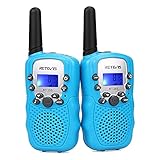 | Retevis RT388 Kids Walkie Talkies, Outdoor Toys for Kids Camping Essentials | Check Price On Amazon |
 | Cobra RX680 Walkie Talkies (2-Pack), IP54 Water Resistant Design | Check Price On Amazon |
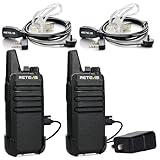 | Retevis RT22 Walkie Talkies Long Range Rechargeable with Earpiece (2 Pack) | Check Price On Amazon |
 | Midland GXT1000VP4 GMRS Two-Way Radios with Headsets, Black, 2 Pack | Check Price On Amazon |
 | Retevis RT628 Walkie Talkies for Kids,Toys Gifts for 6-12 Years Old Boys Girls,Long Range 2 Way Radio 22CH VOX,Birthday Gift,Family Walkie Talkie for Camping Hiking Indoor Outdoor | Check Price On Amazon |