Walkie talkie durability comes from a combination of robust housing materials, internal shock protection, and weather-resistant sealing that protects against impacts, water, dust, and temperature extremes. These features are measured through standardized testing like IP ratings and military specifications. The right durability level depends on your specific environment and usage requirements.
Whether you’re using walkie talkies for construction, outdoor adventures, or emergency response, understanding durability factors helps you select models that will survive your specific conditions without overspending on unnecessary features. This guide breaks down everything from technical ratings to practical maintenance to help you make informed decisions about two-way radio durability.
| Photo | Popular Portable Walkie Talkies | Price |
|---|---|---|
 | SKIWARRIOR Multifunctional Smart Wireless Ski Goggles with Walkie-Talkie, Anti-Fog Zeiss Lens, Music & Call Function (Cylindrical Blue) | Check Price On Amazon |
 | SINORISE Super Mini Walkie Talkies, Two-Way Radios, 3 Pack | Up to 12 Hours Battery Life, for Baseball Coaches, Restaurants, Retail Stores, Hospitals, Outdoor Sports & Travel | Check Price On Amazon |
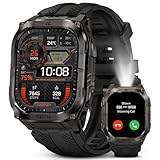 | KOSPET Tank M4C Smart Watch Rugged, Dual-Band GPS, 5ATM & IP69K Waterproof | 1.96" AMOLED Display, 170+ Sport Modes, Built-in LED Flashlight/Walkie-Talkie, Heart Rate/Sleep Monitor for Android & iPhone | Check Price On Amazon |
 | Retevis RT15 Walkie Talkies 3 Pack, Birthday Gift, Outdoor Adventure Kit | Durable, Lightweight, VOX, Key Lock, Mini Walkie Talkies for Adults, School Family Outdoor Travel Camping Hiking | Check Price On Amazon |
 | Rechargeable Walkie Talkies Toys for Kids: DIY Astronaut Walkie Talkies for Boys Christmas Birthday Gifts for 3 4 5 6 7 8 9 10 Boy Walkie Talkie Outdoor Hiking Toy 2 Way Radio Camping Outdoor Game | Check Price On Amazon |
Decoding Durability Ratings: IP Codes & Military Standards Explained
Durability ratings for walkie talkies follow standardized systems that can seem cryptic at first glance. Let’s decode these important indicators to understand exactly what they mean for real-world performance.
IP Ratings Demystified: From Dust to Waterproofing
The Ingress Protection (IP) code consists of two digits that indicate protection levels against solids and liquids. Understanding these numbers is crucial for matching a walkie talkie to your environment.
The first digit (0-6) indicates protection against solid particles:
- 0: No protection against contact or objects
- 1: Protected against objects larger than 50mm
- 2: Protected against objects larger than 12.5mm
- 3: Protected against objects larger than 2.5mm
- 4: Protected against objects larger than 1mm
- 5: Dust-protected (limited dust entry)
- 6: Dust-tight (complete protection)
The second digit (0-9) indicates protection against liquids:
- 0: No protection
- 1: Protected against vertically falling drops
- 2: Protected against drops when tilted up to 15°
- 3: Protected against spraying water
- 4: Protected against splashing water
- 5: Protected against water jets
- 6: Protected against powerful water jets
- 7: Protected against temporary immersion (up to 30 minutes at 1 meter)
- 8: Protected against continuous immersion (beyond 1 meter, manufacturer specified)
- 9K: Protected against high-pressure, high-temperature water jets
For example, a walkie talkie with an IP67 rating is completely dustproof (6) and can survive temporary immersion in water up to 1 meter for 30 minutes (7). This would be suitable for construction sites or outdoor activities where the radio might be dropped in puddles or used in dusty conditions.
One common misconception is confusing water-resistant with waterproof. A water-resistant walkie talkie (IP54, for example) can handle rain or splashing but will likely fail if submerged. True waterproof models (IP67 or higher) can survive temporary underwater immersion.
Military Standard Testing: What MIL-STD-810 Really Means
Military Standard 810 (MIL-STD-810) represents one of the most rigorous testing protocols for electronic equipment. But what exactly does this certification involve, and why does it matter for civilian walkie talkies?
MIL-STD-810 is a United States military standard that tests equipment limits under various environmental conditions. The current versions are G (introduced in 2008) and H (introduced in 2019), with H being the most recent update.
Key tests in the MIL-STD-810 protocol include:
- Drop Testing: Multiple drops from 1.2 meters (4 feet) onto concrete from different angles
- Temperature Extremes: Operation in temperatures from -30°C to 60°C (-22°F to 140°F)
- Temperature Shock: Rapid transitions between extreme temperatures
- Vibration: Resistance to various vibration frequencies and amplitudes
- Humidity: Exposure to high humidity (95%) for extended periods
- Altitude: Operation at high elevations with lower air pressure
- Salt Fog: Resistance to corrosion from salt exposure
- Blowing Sand and Dust: Operation in particle-filled environments
A key limitation of military standards is that manufacturers don’t need to pass all 29 test methods to claim “military standard” compliance. Some may test against only a few methods most relevant to their design. When reviewing product specifications, look for details about which specific MIL-STD-810 tests were conducted rather than just seeing the certification mentioned.
How Walkie Talkies Are Tested: Behind The Scenes of Durability Assessment
Manufacturers employ rigorous testing procedures to verify durability claims. Understanding these processes helps you evaluate whether a walkie talkie will truly meet your needs in challenging conditions.
Drop Testing: Measuring Impact Resistance
The most common cause of walkie talkie failure is impact damage from drops. Here’s how manufacturers test and design for this inevitable occurrence.
Standard drop testing typically involves:

- Dropping units from standardized heights (usually 1.2m, 1.5m, or 2m)
- Dropping onto concrete or steel surfaces (worst-case scenarios)
- Testing multiple impact points (corners, edges, front, back)
- Performing multiple drops on the same unit to test cumulative damage
- Conducting full functionality checks after each drop
Professional-grade walkie talkies often feature reinforced corners, rubberized bumpers, and recessed displays to survive these impacts. Some models include internal shock-mounting systems that suspend the circuit board away from the outer case, preventing damage transfer from the exterior to sensitive components.
In real-world terms, a walkie talkie that passes drop testing from 1.5 meters should survive falls from waist or chest height onto hard surfaces. Those tested at 2 meters can generally handle drops from overhead or while climbing.
Environmental Testing: Water, Dust, Temperature & Pressure
Beyond impact resistance, walkie talkies must withstand various environmental challenges. These sophisticated tests simulate everything from desert sandstorms to arctic conditions.
Water resistance testing involves:
- Spray chambers that simulate heavy rain from multiple angles
- Immersion tanks for testing underwater capabilities
- Pressurized water jets for testing seals under stress
- Testing with different water temperatures
- Functional testing immediately after water exposure
Dust testing uses specialized chambers that maintain precise particle concentrations. Talcum powder or standardized test dust circulates for 8-24 hours while the device operates. After testing, units are inspected for dust penetration and full functionality.
Temperature testing puts walkie talkies through extreme conditions:
- Cold testing (as low as -30°C/-22°F) to verify battery performance and plastic integrity
- Heat testing (up to 60°C/140°F) to test for component failure and case deformation
- Temperature cycling between extremes to test for seal failures and component stress
Professional testing labs also use altitude chambers that simulate conditions up to 15,000 feet (4,572 meters) to ensure radios function properly for mountain rescue teams and aviation use.
Critical Build Components: What Makes a Truly Durable Walkie Talkie
A walkie talkie’s durability is only as good as its weakest component. Understanding the key building blocks of rugged two-way radios helps you identify truly durable models beyond marketing claims.
Housing Materials: From Basic Plastic to Advanced Composites
The external housing is your walkie talkie’s first line of defense against impacts, abrasion, and environmental factors. Material selection dramatically affects both durability and cost.
Common housing materials include:
- Standard ABS plastic: Found in budget models, offers basic impact protection but can crack under significant force. Temperature range: 0°C to 70°C (32°F to 158°F)
- Polycarbonate: Stronger than ABS with better impact resistance. Temperature range: -20°C to 120°C (-4°F to 248°F)
- Glass-reinforced nylon: Adds fiberglass to nylon for improved strength while maintaining lightweight properties. Excellent for long-term use in variable temperatures.
- Rubber overmolding: Adds a layer of shock-absorbing rubber over harder plastics. Improves grip and drop protection without adding much weight.
- Composite materials: Premium options combining multiple materials for optimal strength-to-weight ratios. Found in high-end professional models.
Professional-grade walkie talkies often use double-layered construction with a rigid internal frame for structural integrity and an impact-absorbing outer layer. This design approach, similar to modern car bumpers, absorbs and disperses impact energy before it reaches internal components.
Internal Design: Shock Mounting, Circuit Protection & Sealing
While external housing gets the most attention, internal design elements often determine whether a walkie talkie survives a drop or submersion. These hidden features make a crucial difference in long-term durability.
Key internal durability features include:
- Shock mounting: Rubber or silicone mounting points suspend the circuit board away from the case, isolating it from impact forces
- Conformal coating: Water-resistant coating applied to circuit boards protects against humidity and brief water exposure
- Sealed compartments: Internal dividers prevent water migration between sections if seals are compromised
- Reinforced solder points: Strengthen connections most vulnerable to vibration and impact
- Battery contact design: Spring-loaded contacts maintain connections during impacts
- Strain relief: Protects wire connections from pulling forces
Better-designed walkie talkies use compressed gaskets rather than simple O-rings for sealing. These maintain their seal even after repeated opening and closing of battery compartments. Some professional models use ultrasonic welding to create seamless case sections that eliminate potential leak points entirely.
Industry-Specific Durability Requirements: Matching Walkie Talkies to Your Environment
Different working environments place unique demands on communication equipment. Understanding these specific challenges helps you select appropriately durable walkie talkies without overspending on unnecessary features.
Construction & Industrial Environments: Dust, Drops & Vibration
Construction sites combine multiple durability challenges: concrete dust, frequent drops, vibration from equipment, and often exposure to weather. Here’s what to prioritize for these demanding environments.
For construction and industrial use, look for walkie talkies with:
- Minimum IP67 rating (completely dustproof, temporary water immersion protection)
- MIL-STD-810 drop testing certification (multiple drops from at least 1.5m)
- Rubberized housing or impact-absorbing bumpers
- Recessed controls to prevent damage when dropped
- High-visibility colors to prevent loss on worksites
- Loud audio output (at least 500mW) to overcome site noise
- Extended battery life for full work shifts (10-12 hours)
Construction professionals report that concrete dust is particularly damaging to walkie talkies, working its way into seams and switches. Models with sealed buttons or covered ports offer much better longevity in these environments.
Recommended construction-grade walkie talkies include the Motorola XPR 3500e and the Kenwood NX-340U16P, both designed specifically for industrial environments with above-average durability ratings.
Outdoor & Recreation Use: Weather Extremes & Field Reliability
Outdoor activities expose walkie talkies to unpredictable weather, temperature swings, and often rough handling on the trail. Recreational users need specific durability features to ensure reliable communication in remote areas.
For outdoor recreation, prioritize:
- Waterproof rating of at least IPX7 for rain and water crossing protection
- Extended temperature range operation (-10°C to 50°C / 14°F to 122°F minimum)
- Lightweight but durable construction (under 250g preferred)
- Floating design if used near water
- High-contrast display visible in bright sunlight
- Cold-weather battery performance
- Attachment points for lanyards or carabiners
Outdoor guides specifically recommend models with removable antennas, as these are common failure points when moving through dense vegetation. Units with built-in NOAA weather alerts provide an additional safety feature for wilderness use.
Popular outdoor-oriented models include the Motorola T600 H2O (which floats and includes an emergency flashlight) and the Midland GXT1000VP4, both offering excellent weather resistance and visibility features.
Emergency Services & Critical Operations: When Failure Isn’t an Option
For first responders and emergency operations, communication equipment failure can have serious consequences. These environments require the highest durability standards with proven performance under extreme conditions.
Emergency services require:
- IP68 rating for complete protection against dust and extended water immersion
- Full MIL-STD-810 G/H certification across multiple test methods
- Intrinsically safe certification for hazardous environments (where applicable)
- Extended temperature operation range (-30°C to 60°C / -22°F to 140°F)
- Reinforced antenna connections
- Redundant sealing systems
- Minimum 16-hour battery life
- Quick-release battery options for extended operations
According to emergency response teams, the ability to decontaminate equipment is crucial. Models with smooth surfaces, minimal seams, and chemical-resistant housing allow for thorough cleaning after exposure to smoke, chemicals, or biological hazards.
Professional emergency service radios include the Harris XL-200P and the Motorola APX series, both designed specifically for critical communications with redundant systems and extensive testing certification.
How to Evaluate Walkie Talkie Durability: A Practical Guide
When shopping for durable walkie talkies, manufacturers’ claims can be confusing or misleading. This practical evaluation guide helps you assess real-world durability beyond marketing hype.
Follow these steps to evaluate walkie talkie durability:
- Identify your specific challenges: List the environmental conditions your radio will face (water, dust, drops, temperature)
- Determine minimum specifications: Based on your environment, establish minimum IP ratings and features needed
- Verify testing claims: Look for specific test methods and parameters, not just “military tested” claims
- Examine physical construction: Check seams, port covers, antenna connections, and switch quality
- Review warranty terms: Longer warranties often indicate manufacturer confidence in durability
- Research user experiences: Look for reviews from users in similar environments to yours
- Consider the price-to-durability ratio: Balance cost against your actual durability needs
When researching, watch for these red flags that may indicate exaggerated durability claims:
- Vague terms like “waterproof” without specific IP ratings
- Claims of “military grade” without specifying which tests were passed
- Durability features mentioned only in marketing materials but absent from technical specifications
- Extremely short warranty periods for allegedly rugged equipment
- Significant price gaps between similar models with identical durability claims
Remember that durability features add weight and cost. A good approach is matching specifications to your actual needs rather than automatically buying the most rugged option available.
DIY Durability Testing: Evaluating Your Walkie Talkie
While you can’t replicate laboratory testing at home, there are several practical ways to evaluate a walkie talkie’s durability before relying on it in critical situations.
IMPORTANT: Some of these tests may void warranties. Consider your warranty terms before conducting these evaluations.
Basic tests you can perform include:
- Water resistance check: Hold the unit under gently running water (not submerged) for 30 seconds, then dry and test functionality
- Seal inspection: Close all port covers and battery doors, then inspect with a bright light to look for gaps
- Drop test from knee height: Drop onto carpet from approximately 2 feet to check general build quality without risking damage
- Button durability test: Press each button 50 times to check for any sticking or inconsistent behavior
- Temperature test: Place the radio in a refrigerator (not freezer) for 30 minutes, then check for operation changes
- Connection check: Gently wiggle antennas and accessories to check for loose connections
For more thorough evaluation, consider a gradual testing approach. Start with mild tests and gradually increase severity, checking functionality between each step. This prevents unnecessary damage while still giving you confidence in your equipment’s limits.
Extending Walkie Talkie Lifespan: Maintenance & Protection Strategies
Even the most durable walkie talkies require proper maintenance to maximize their lifespan. These essential care practices will help protect your investment and ensure reliable performance when you need it most.
Regular maintenance should include:
- Cleaning after use: Wipe down with a slightly damp cloth, paying special attention to seams and speaker grills
- Proper drying: If exposed to water, dry thoroughly with lint-free cloth and allow to air dry with battery door open before reassembly
- Battery maintenance: Remove batteries during long-term storage to prevent corrosion
- Contact cleaning: Clean battery contacts with electronic contact cleaner if they show signs of corrosion
- Antenna inspection: Check regularly for cracks or damage at the base connection
- Belt clip maintenance: Tighten screws and check for wear
- Accessory port protection: Keep covers closed when ports aren’t in use
Environment-specific maintenance includes:
- Salt water exposure: Rinse thoroughly with fresh water as soon as possible
- Dusty environments: Use compressed air to clean speaker grills and microphone ports
- Extreme cold: Warm gradually to room temperature before opening to prevent condensation
- Chemical exposure: Clean immediately with appropriate neutralizing agent
Professional users should establish a regular inspection routine checking seals, switches, and connections monthly. Catching minor issues before they become major problems significantly extends equipment life.
Protective Accessories: Cases, Covers & Carrying Solutions
The right accessories can significantly enhance your walkie talkie’s durability, providing additional protection against impacts, elements, and everyday wear. Here’s what to consider when selecting protective gear.
Essential protective accessories include:
- Hard cases: Provide maximum protection during transport and storage
- Silicone skins: Add drop protection without significantly increasing bulk
- Screen protectors: Prevent display scratches on models with LCD screens
- Speaker mic harnesses: Reduce wear on radio ports and prevent drops
- Waterproof bags: Add water protection beyond the radio’s built-in rating
- Anti-loss lanyards: Prevent drops by securing the radio to your body
When selecting protective accessories, ensure they don’t interfere with critical functions. Some cases can block heat dissipation, while poorly designed covers might affect button operation or audio quality. Look for accessories specifically designed for your radio model.
For extreme environments, consider multi-layer protection: a silicone skin for daily use combined with a hard case for transport. This approach provides comprehensive protection while maintaining usability in the field.
Common Durability Failures: Weak Points & Prevention
Understanding the most common durability failures in walkie talkies helps you both select more resilient models and take preventive measures. These are the typical weak points in two-way radios and how to address them.
Battery compartment failures: This is the most common point of water intrusion. Look for models with double-sealed battery doors and maintain the rubber gaskets by cleaning them regularly and checking for damage.
Antenna connection issues: The threaded base of removable antennas can crack or strip with repeated use. Avoid over-tightening and consider models with reinforced antenna connections or one-piece designs for critical applications.
Button and switch failures: Membrane switches last longer than mechanical buttons in dirty environments but offer less tactile feedback. For dirty environments, choose models with sealed buttons or protective covers.
Speaker and microphone damage: Water often enters through speaker and microphone ports. Select models with water-resistant meshes over these openings, and always position the radio with these ports facing downward during rain.
Display cracks: LCD screens are vulnerable to impact damage. Look for recessed displays or models with protective bezels around the screen. Add screen protectors to models with exposed displays.
Circuit board damage: Internal components can fail from shock or moisture. Choose models with conformal coating on circuit boards and internal shock mounting, particularly if drops are likely.
Charging port corrosion: Exposed charging contacts can corrode over time. Models with sealed charging systems or inductive charging capability offer better long-term reliability in wet environments.
According to repair statistics, approximately 60% of walkie talkie failures stem from water damage, with impact damage accounting for another 25%. The remaining failures typically involve battery issues, connector problems, and normal wear.
Repair vs. Replace: Making Cost-Effective Decisions
When a walkie talkie sustains damage, you face a critical decision: repair or replace? This framework helps you make economically sound choices while considering both short-term costs and long-term reliability.
Consider these factors when deciding between repair and replacement:
- Repair costs vs. replacement cost: As a general rule, if repairs exceed 50% of replacement cost, replacement is usually more economical
- Age of equipment: Older models may lack parts availability or have additional issues soon
- Type of damage: Water damage often causes progressive issues even after repair
- Criticality of use: For emergency or safety-critical applications, replacement often provides greater confidence
- Warranty status: Some manufacturers offer reduced-cost replacements for damaged units
Common repair costs for typical walkie talkie issues:
- Antenna replacement: $15-30
- Battery door replacement: $10-25
- Basic water damage repair: $40-75
- Display replacement: $50-100
- Circuit board repair: $75-150
For organizations with large radio fleets, establishing a relationship with a repair service can reduce costs. Some services offer maintenance contracts that include both repairs and preventive maintenance at reduced rates compared to one-time repairs.
Future of Walkie Talkie Durability: Emerging Technologies & Standards
Walkie talkie durability continues to evolve with new materials, design approaches, and testing standards. These emerging technologies are shaping the next generation of ultra-durable communication equipment.
Key developments to watch include:
- Advanced housing materials: Self-healing polymers that can repair minor scratches and cracks are entering the market
- Nano-coating technology: Molecular-level water protection is replacing mechanical seals in some components
- Energy-absorbing structures: Honeycomb internal designs that absorb impact forces better than solid plastics
- Smart battery management: Systems that detect water intrusion and automatically disconnect to prevent circuit damage
- Adaptive audio systems: Moisture-sensing speakers that adjust to maintain clarity in wet conditions
- Modular designs: User-replaceable components that allow for field repair of specific damaged sections
Industry experts predict several trends in the coming years:
- Increased focus on sustainable, repairable designs rather than sealed, disposable units
- Integration of smartphone durability features like Gorilla Glass and advanced water resistance
- Adoption of renewable and biodegradable materials in non-critical components
- Development of specific testing standards for environmental extremes related to climate change
- Greater emphasis on chemical resistance for first responders equipment
These developments suggest that future walkie talkies will not only be more durable but also more repairable and environmentally responsible. The gap between consumer and professional-grade durability is likely to narrow as advanced materials become more affordable.
Conclusion: Balancing Durability, Features and Budget
Selecting appropriately durable walkie talkies requires balancing multiple factors: environmental challenges, feature requirements, and budget constraints. These final considerations will help you make optimal decisions for your specific needs.
Remember these key points when evaluating walkie talkie durability:
- IP ratings provide standardized measures of dust and water protection – match these to your actual needs
- Military standards offer additional assurance for extreme conditions, but verify which specific tests were conducted
- The weakest component determines overall durability – examine all aspects from housing to internal design
- Industry-specific requirements should guide your minimum specifications
- Proper maintenance significantly extends even the most rugged radio’s lifespan
- The most expensive option isn’t always necessary – match durability to your actual environmental challenges
For most users, a balanced approach works best: identify your most common challenging conditions and select a walkie talkie that excels in those specific areas rather than paying for comprehensive protection you may never need.
By understanding the technical standards, identifying your specific requirements, and implementing proper storage and maintenance practices, you can ensure reliable communication even in challenging environments without unnecessary expense.
| Photo | TOP RATED WALKIE TALKIES | Price |
|---|---|---|
 | Retevis RT628 Kids Walkie Talkies, Toys Gifts for 4-12 Year Old Girl Boy | Kids Camping Essentials Outdoor Toys, Birthday Gift, 22CH, VOX, Keypad Lock, Durable, Easy to Use Walkie Talkies for Kids | Check Price On Amazon |
 | Cobra ACXT545 Weather-Resistant Walkie Talkies, Rechargeable, 22 Channels | Long Range 28-Mile Two-Way Radio Set (2-Pack) | Check Price On Amazon |
 | Retevis RT388 Kids Walkie Talkies, Outdoor Toys for Kids Camping Essentials | 4-12 Year Old Boy Birthday Gift, 22 CH VOX Flashlight Clear Sound, Kids Walkie Talkies 2 Pack for Camping Hiking Adventure | Check Price On Amazon |
 | Cobra RX680 Walkie Talkies (2-Pack), IP54 Water Resistant Design | Rugged & Splashproof Two Way Radios Long Range, 60 Pre-Programmed Channels, Weather Alerts | Check Price On Amazon |
 | Retevis RT22 Walkie Talkies Long Range Rechargeable with Earpiece (2 Pack) | Slim & Lightweight 2 Way Radio For Camping & Hiking, Pocket-Friendly Antenna, Ready to Use, 10-Hour Battery, USB-C Charging | Check Price On Amazon |
 | Midland GXT1000VP4 GMRS Two-Way Radios with Headsets, Black, 2 Pack | 50 Channels, 142 Privacy Codes, Up to 36 Mile Long Range, JIS4 Water Resistant, NOAA Weather Alert, Rechargeable NiMH | Check Price On Amazon |
 | Retevis RT628 Walkie Talkies for Kids,Toys Gifts for 6-12 Years Old Boys Girls,Long Range 2 Way Radio 22CH VOX,Birthday Gift,Family Walkie Talkie for Camping Hiking Indoor Outdoor | Check Price On Amazon |