Richard I

Richard is a technology enthusiast and hands-on gadget reviewer with a special interest in wireless communication tools like walkie-talkies, two-way radios, and emergency communication gear. He holds both graduate and master’s degrees from the International Business Management Institute (IBMI), and has been writing about consumer tech and home improvement products for several years. Richard takes a practical, user-first approach to content. He actively tests, compares, and experiments with a wide range of devices such as outdoor radios, long-range communication sets, home intercom systems, or signal boosters. His in-depth analysis combines technical research with real-world usage to help readers make informed, confident buying decisions. Beyond his expertise in communication gadgets, Richard also covers tools and tech that support off-grid living, camping, and home preparedness. His goal is simple: make complex technology easy to understand and choose.

Is Your Weather Radio Public Alert Certified? Here's Why It Matters

Weather Radio Public Alert Certified? Here’s Why It Matters

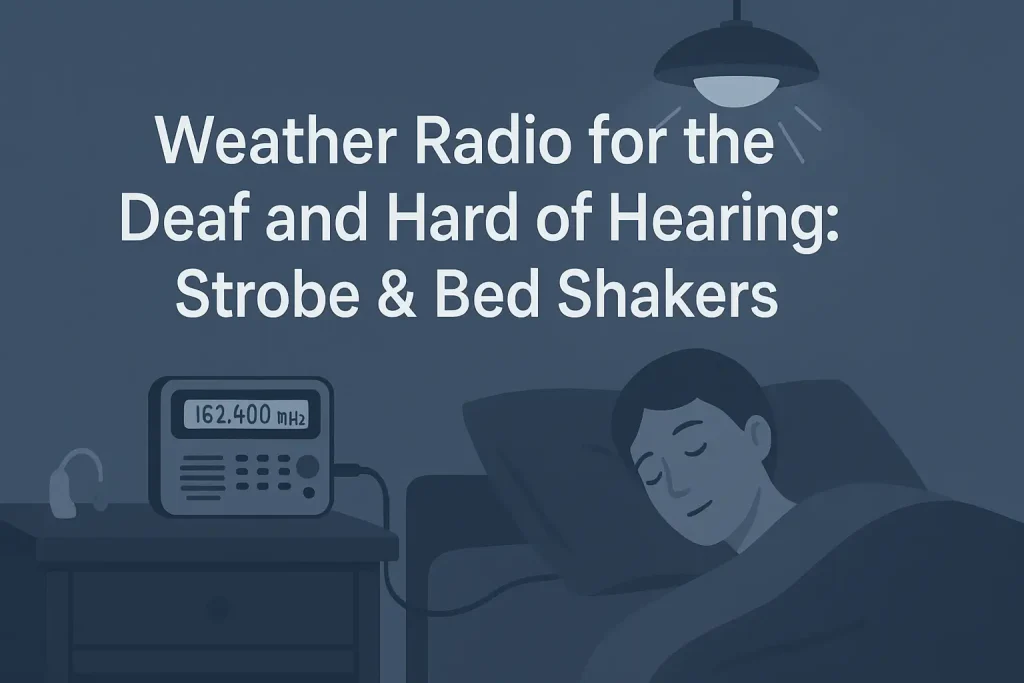
A “Public Alert” certification means a weather radio meets strict federal standards for decoding emergency alerts. NOAA Weather Radio broadcasts on seven frequencies between 162.400 and 162.550 MHz, but without certification, your device might miss critical specific area message encoding (S.A.M.E.) data. This distinction separates a reliable emergency receiver from a basic weather band scanner.

Weather Radio Public Alert Certified? Here’s Why It Matters Read More »