
Proper display brightness management during night flying is crucial for pilot safety. It directly impacts your ability to maintain night vision while ensuring instrument readability. This guide provides 13 expert techniques for optimizing panel radio and avionics display brightness, combining scientific principles with practical, system-specific procedures for safer night operations.
Understanding the Science of Night Vision and Display Interaction
Before adjusting any knobs or settings, pilots must understand the fundamental science behind how human vision interacts with illuminated displays at night. This knowledge forms the foundation for all practical brightness management techniques.
| Photo | Popular Portable Walkie Talkies | Price |
|---|---|---|
 | SKIWARRIOR Multifunctional Smart Wireless Ski Goggles with Walkie-Talkie, Anti-Fog Zeiss Lens, Music & Call Function (Cylindrical Blue) | Check Price On Amazon |
 | SINORISE Super Mini Walkie Talkies, Two-Way Radios, 3 Pack | Up to 12 Hours Battery Life, for Baseball Coaches, Restaurants, Retail Stores, Hospitals, Outdoor Sports & Travel | Check Price On Amazon |
 | KOSPET Tank M4C Smart Watch Rugged, Dual-Band GPS, 5ATM & IP69K Waterproof | 1.96" AMOLED Display, 170+ Sport Modes, Built-in LED Flashlight/Walkie-Talkie, Heart Rate/Sleep Monitor for Android & iPhone | Check Price On Amazon |
 | Retevis RT15 Walkie Talkies 3 Pack, Birthday Gift, Outdoor Adventure Kit | Durable, Lightweight, VOX, Key Lock, Mini Walkie Talkies for Adults, School Family Outdoor Travel Camping Hiking | Check Price On Amazon |
 | Rechargeable Walkie Talkies Toys for Kids: DIY Astronaut Walkie Talkies for Boys Christmas Birthday Gifts for 3 4 5 6 7 8 9 10 Boy Walkie Talkie Outdoor Hiking Toy 2 Way Radio Camping Outdoor Game | Check Price On Amazon |
Human eyes contain two types of photoreceptors: rods and cones. Cones provide color vision and function best in bright light, while rods are responsible for night vision but cannot distinguish colors. When transitioning from daylight to darkness, your eyes undergo dark adaptation, a process requiring 20-30 minutes for full effectiveness.
Bright cockpit displays can instantly disrupt this adaptation. When exposed to bright light, your eyes must restart the adaptation process, temporarily reducing your ability to see outside the aircraft. This creates a dangerous situation when scanning between instruments and the night environment.
Different light wavelengths affect night vision differently. Blue and green wavelengths cause more disruption than red, which is why traditional cockpit lighting favored red illumination. However, modern research has refined our understanding of this relationship.
In low-light conditions, visual sensitivity decreases by approximately 60-70%, making proper display brightness critical for both instrument readability and maintaining external situational awareness.
The Red vs. White Light Debate: What Current Research Reveals
For decades, pilots have debated whether red or white cockpit lighting better preserves night vision. Modern research has provided clearer answers that influence optimal display brightness settings.
Traditionally, pilots believed red lighting was superior because it supposedly preserved rod cell sensitivity. However, recent studies from NASA and FAA research centers reveal a more nuanced picture. While red light does cause less pupillary constriction than white light at equivalent brightness, it also reduces visual acuity and makes reading instruments more difficult.
| Factor | Red Lighting | White Lighting |
|---|---|---|
| Night Vision Preservation | Good when properly dimmed | Acceptable when properly dimmed |
| Instrument Readability | Reduced, especially for color-coded displays | Better contrast and color discrimination |
| Fatigue Effects | Can cause greater eye strain | Less strain when properly dimmed |
| Color Recognition | Poor, distorts colors | Maintains color recognition |
Dr. Meredith Lambert, aviation vision specialist, explains: “Modern research indicates that properly dimmed white lighting allows better instrument interpretation while still maintaining reasonable dark adaptation. The key is appropriate brightness level rather than color alone.”
This research has significant implications for modern glass cockpit displays, which rely heavily on color coding for information display. Proper brightness management becomes even more critical than light color choice.
Optimal Brightness Parameters for Different Flying Conditions
The “perfect” display brightness setting varies significantly based on multiple factors including phase of flight, ambient conditions, and the specific displays in your aircraft. Here are evidence-based parameters for different scenarios.
During taxi operations, displays should be set at 40-60% brightness to maintain situational awareness while preserving adaptation. For takeoff, slightly higher settings (50-70%) ensure critical information remains visible during the transition from ground to air operations.
Cruise flight typically allows for the lowest brightness settings (30-50%), especially in rural dark conditions. However, flights over urban areas with significant light pollution may require 40-60% brightness to maintain proper contrast against the brighter external environment.
Approach and landing phases demand carefully balanced settings (40-60%) that provide clear instrument readings while maintaining outside visual references. This becomes particularly critical during instrument approaches transitioning to visual landings.
| Flight Phase | Rural/Dark Environment | Urban/Light Pollution |
|---|---|---|
| Taxi | 40-50% | 50-60% |
| Takeoff | 50-60% | 60-70% |
| Cruise | 30-40% | 40-50% |
| Approach | 40-50% | 50-60% |
| Landing | 40-50% | 50-60% |
Weather conditions also impact optimal settings. Clear nights typically allow for lower brightness, while fog, precipitation, or hazy conditions may require 10-15% higher settings to maintain display clarity. Moonlight conditions can sometimes allow for slightly reduced brightness compared to completely dark nights.

Remember that individual variation exists. These recommendations provide starting points, but each pilot should fine-tune settings based on personal vision characteristics and aircraft-specific display technologies.
Age-Related Vision Considerations and Brightness Adjustments
As pilots age, changes in vision physiology can significantly impact optimal display brightness requirements. Understanding these changes helps pilots adjust their panel settings accordingly.
After age 40, most individuals experience presbyopia (reduced near vision clarity) and require approximately 20-30% more light for the same visual tasks compared to younger adults. By age 60, light requirements may increase by 60-80% compared to a 20-year-old pilot.
Aviation ophthalmologist Dr. James Richardson notes: “Older pilots experience reduced pupil dilation capacity, increased lens opacity, and decreased rod cell sensitivity. These natural changes require systematic adjustment to cockpit display settings.”
Practical adjustments for older pilots include:
- Increasing brightness settings by 10-20% compared to standard recommendations
- Using reading glasses specifically calibrated for instrument panel distance
- Allowing additional time for dark adaptation (up to 40 minutes vs. 20-30)
- More frequent brightness adjustments during changing light conditions
FAA guidance acknowledges these age-related changes, recommending regular vision assessments and practical accommodations rather than arbitrary limitations on night flying privileges.
System-Specific Brightness Adjustment Procedures
Different avionics systems implement brightness controls in unique ways. Below are detailed, system-specific procedures for optimizing display brightness in the most common panel radio and avionics systems.
Proper display brightness adjustments are crucial not only for night vision but also for ensuring effective emergency communications. Pilots who cannot clearly read their search and rescue communication systems during emergency response coordination face additional risks during critical situations.
Garmin G1000/G3000/G5000 Series Brightness Optimization
The Garmin G1000 and its advanced variants (G3000/G5000) offer sophisticated brightness control systems that require specific procedures for optimal night setting.
To adjust G1000 display brightness:
- Locate primary controls: Find the dedicated PFD and MFD control knobs in the lower right corner of each display
- Disable automatic dimming: Press the PFD knob to access the display menu, then select “Display” and “Auto” to toggle off
- Set baseline brightness: Rotate the knob counterclockwise until displays reach 40-50% brightness (approximately 4-5 notches from minimum)
- Fine-tune each display: Adjust MFD slightly dimmer than PFD (10-15% difference) to reduce scanning contrast shock
- Verify key backlighting: Press and hold the PFD knob for 2 seconds to access backlighting controls, set to match display brightness
Common G1000 brightness issues include photocell sensor blockage causing erratic automatic dimming and uneven display aging leading to brightness inconsistency between screens. When troubleshooting, always check for partially blocked sensors near display bezels.
Garmin technical specialist Mark Winters advises: “Many pilots overlook the separate backlighting controls for keys and knobs. These should be coordinated with display brightness to prevent vision disruption when transitioning between instruments and controls.”
GTN/GNS Series and Legacy Garmin Radio Display Adjustment
The GTN and older GNS series navigate differently with brightness controls that operate independently from integrated glass cockpit systems.
For GTN 650/750 touchscreen navigators:
- Access brightness controls: Tap the “Home” icon, then “System” and “Display”
- Disable automatic dimming: Turn Auto mode to OFF
- Set manual brightness: Use the slider to adjust to 40-50% for night operations
- Adjust key backlighting: Set key brightness to match or slightly lower than display brightness
- Save pilot profile: Save these settings to your pilot profile for quick recall
For legacy GNS 430/530 units:
- Locate dimming control: Find the dedicated photocell or dimming knob (typically lower left of unit)
- Adjust gradually: Turn knob counterclockwise until display is clearly visible but not glaring
- Check all pages: Cycle through different pages to ensure readability across all screens
Note that older GNS units often develop uneven backlighting with age. If your unit shows dark spots or uneven illumination, this could indicate potential failure requiring maintenance, particularly if brightness controls become increasingly ineffective.
Collins Pro Line and Honeywell Systems Procedures
Collins Pro Line and Honeywell avionics systems feature distinct brightness control philosophies that require specific adjustment techniques for optimal night visibility.
For Collins Pro Line 21 systems:
- Access brightness controls: Press MENU, then select DISPLAY, then CONTROL
- Select manual mode: Disable AUTO brightness by selecting MANUAL
- Adjust primary displays: Use the cursor control device to select each display and adjust to 40-60% brightness
- Coordinate multifunction displays: Set MFDs approximately 10% dimmer than primary flight displays
- Save settings: Press SAVE to store configurations for future flights
For Honeywell Primus systems:
- Locate brightness controls: Find the BRT/DIM controls typically located on the display control panel
- Disable automatic sensors: Press AUTO button until AUTO indicator extinguishes
- Adjust individual displays: Rotate knobs corresponding to each display until optimal brightness is achieved
- Verify reversionary mode settings: Test brightness in reversionary mode to ensure readability in emergency configurations
Collins technical specialist Jennifer Martinez notes: “Pro Line systems feature separate day and night databases for some displays. Ensure the night database is active for proper symbol brightness coordination with display illumination.”
When operating these systems, be aware that display brightness interacts with aircraft-wide lighting controls. Coordinate panel flood lighting with display brightness for optimal cockpit lighting harmony.
Harmonizing Mixed Panel Technologies and Display Types
Many aircraft feature a mix of display technologies from modern glass displays to legacy gauges and radios. Creating a harmonious brightness environment across these different systems presents unique challenges.
The primary strategy for mixed panels is establishing a brightness hierarchy based on flight criticality. Primary flight displays should serve as your brightness reference point, with secondary systems adjusted relative to this baseline. Typically, set primary displays at optimal brightness, then adjust secondary displays 10-15% dimmer, and tertiary information displays 15-20% dimmer.
Pilots operating aircraft with retrofitted budget handheld aviation radios alongside installed panel systems face particular challenges. These portable units often have limited brightness control and must be positioned to avoid reflecting on primary instruments.
For panels mixing analog gauges with digital displays, coordinate the panel flood lighting with display brightness. Start by setting digital displays to optimal levels, then adjust flood lighting until analog instruments are equally readable without overwhelming the digital displays.
Avionics integrator Carlos Mendez explains: “The secret to harmonious mixed panels is sequential adjustment from primary to secondary systems, with constant cross-checks between instruments during the process.”
When brightness disparities cannot be fully resolved through adjustments, consider physical solutions like partial shields for overly bright displays or supplemental lighting for dimmer legacy instruments.
Pre-Flight Verification and In-Flight Adjustment Techniques
Proper display brightness should be verified before departure and adjusted during flight as conditions change. These structured testing and adjustment procedures ensure optimal visibility throughout your night flight.
Pre-flight brightness verification checklist:
- Initial setup: Set all displays to manufacturer-recommended night settings
- Dark adaptation period: Allow 10-15 minutes for basic adaptation before final adjustments
- Primary instrument check: Verify all flight-critical information is clearly visible
- External scan test: Practice transitioning between instruments and outside view to check for adaptation disruption
- Extreme angle check: View displays from different seated positions to detect potential glare issues
During flight, follow these adjustment protocols:
- Reassess brightness after climbing above or descending below cloud layers
- Increase brightness 10-15% when entering precipitation
- Reduce brightness 10-15% when transitioning from urban to rural areas
- Make incremental adjustments (5-10% changes) rather than dramatic shifts
- When necessary, use brief red flashlight illumination for map reading or checklist review
Professional night pilots recommend performing instrument brightness assessments every 30-45 minutes during extended night operations, as subtle external light changes can gradually affect optimal settings.
Dynamic Adjustment Protocol for Changing Flight Conditions
Night flying conditions rarely remain constant throughout a flight. This protocol provides a systematic approach to adjusting display brightness as conditions change.
When transitioning from rural to urban environments:
- Anticipate the change: Begin adaptation before reaching urban areas
- Incremental increase: Raise brightness 5% every 2-3 minutes until reaching 15-20% higher than rural settings
- Stabilize settings: Maintain new brightness level for at least 5-7 minutes before reassessing
- Reverse procedure: When leaving urban areas, gradually decrease by similar increments
For weather transitions:
- Entering precipitation: Immediately increase brightness 10-15%
- Within precipitation: Assess readability every 3-5 minutes, adjust as needed
- Exiting precipitation: Return to previous settings gradually (5% every 2-3 minutes)
During sunrise/sunset transitions:
- Dawn transition: Begin increasing brightness 15 minutes before sunrise
- Dusk transition: Begin decreasing brightness 15 minutes before sunset
- Complete transition: Finalize day/night settings approximately 30 minutes after sunrise/sunset
The key principle for all dynamic adjustments is gradual change. Abrupt brightness changes can cause momentary vision impairment and disorientation.
Emergency Procedures and Backup Solutions
Display or lighting system failures during night operations represent a significant emergency. These procedures and backup solutions will help you manage these situations safely.
For complete panel lighting failure:
- Maintain aircraft control: Immediately transition to partial panel techniques
- Activate backup lighting: Use alternate power sources if available
- Deploy backup illumination: Activate flashlight (preferably with red filter)
- Check circuit breakers: Identify and reset applicable lighting circuit breakers
- Declare emergency: If safe flight cannot be maintained, declare emergency and seek priority handling
For stuck-bright displays:
- Cover affected display: Temporarily cover with charts, kneeboard, or clothing
- Attempt power cycle: If procedures permit, cycle power to affected display
- Increase other displays: Match brightness of functioning displays to reduce contrast shock
- Use reversionary modes: Transfer critical information to functioning displays
Essential backup equipment for night flying should include:
- Two independent flashlights with fresh batteries
- Portable power bank for backup avionics power
- Physical copies of critical approach charts
- Chemical light sticks for extreme emergencies
In 2019, a Cessna Citation pilot experienced complete display failure during night approach. The pilot successfully completed the approach using a combination of flashlight illumination and coordinated frequency management with ATC to receive intensive radar guidance. This incident highlights the importance of emergency preparation and backup lighting sources.
Maintenance Considerations for Optimal Display Performance
Proper maintenance of display systems ensures reliable brightness control and optimal night visibility. These maintenance procedures and considerations will help keep your panel displays performing optimally.
Display cleaning should be performed regularly using aviation-approved screen cleaners and microfiber cloths. Never use household glass cleaners, as they can damage anti-glare coatings and affect night visibility. Clean in circular motions with light pressure to avoid damaging pressure-sensitive screens.
Inspect brightness control systems during pre-flight by:
- Verifying smooth operation of all brightness knobs and controls
- Checking photocell sensors for dirt or obstruction
- Testing full brightness range from minimum to maximum
- Confirming consistent illumination across entire display surface
- Verifying automatic dimming function responds appropriately to light changes
Dimming circuits typically fail gradually rather than suddenly. Warning signs include erratic brightness changes, flickering, uneven illumination, or inability to maintain consistent settings. Document these symptoms for maintenance personnel.
Ensuring proper power supply filtering to eliminate radio interference is essential for stable display performance, particularly in aircraft with mixed analog/digital systems where power fluctuations can affect brightness stability.
Avionics maintenance technician Robert Chen recommends: “Have display brightness systems inspected during each annual inspection. Many pilots tolerate gradually degrading performance until it becomes a safety issue, when earlier intervention could have prevented problems.”
Emerging Technologies and Future Developments
Panel display technology continues to evolve rapidly, with significant implications for night brightness management. Understanding these emerging technologies helps pilots prepare for future cockpit environments.
OLED (Organic Light Emitting Diode) displays represent a significant advancement for aviation, offering superior contrast ratios, wider viewing angles, and individual pixel illumination. These characteristics allow for better night visibility with less overall brightness, reducing night vision disruption.
Automatic brightness management systems are becoming increasingly sophisticated, using multiple ambient light sensors and eye-tracking technology to optimize display illumination based on pilot gaze patterns. These systems can dynamically adjust brightness as the pilot transitions between different instruments and external views.
Enhanced vision systems are being integrated with display brightness controls, allowing synchronized adjustments based on external visibility conditions. When EVS detects reduced visibility, displays automatically optimize for current conditions.
The FAA is developing updated guidance on cockpit display brightness standards, with draft regulations suggesting standardized measurement methods and minimum/maximum brightness requirements for certification. These standards may include specific night operation brightness range requirements.
Blue light reduction technologies are gaining prominence in new display systems. These technologies filter out wavelengths most disruptive to night vision while maintaining color accuracy for critical information, allowing lower overall brightness settings.
Voice-controlled brightness adjustment systems are in development, allowing hands-free optimization during critical flight phases. These systems respond to simple commands like “dim displays” or “increase primary brightness,” implementing standardized adjustments.
The integration of properly certified antennas with display systems is also improving overall system performance and reliability during night operations.
Conclusion: Integrating Science and Practice for Safer Night Flying
Mastering panel radio and avionics display brightness is a critical skill that combines understanding of visual physiology with practical system knowledge. This integration of science and practice significantly enhances night flying safety.
The physiological principles of dark adaptation, color sensitivity, and age-related vision changes provide the foundation for effective brightness management. Understanding these concepts helps pilots make informed decisions rather than following arbitrary brightness rules.
System-specific procedures ensure pilots can optimize their particular avionics configuration. From G1000 glass cockpits to legacy steam gauges, each system requires specific approaches to achieve optimal night visibility.
Pre-flight verification remains essential for safe night operations. Systematic testing and adjustment before takeoff prevents in-flight surprises and ensures readability of all critical instruments.
The ability to adapt to changing conditions distinguishes proficient night pilots. Dynamic adjustment protocols allow continuous optimization as you transition between different environments and weather conditions.
Regular practice of brightness management techniques develops the skills and habits necessary for safe night flying. Incorporate specific display adjustment practice into your regular proficiency training, especially if night flying is not a frequent part of your operations.
As Captain Michael Sorenson, veteran night cargo pilot, summarizes: “Mastering display brightness is not just about seeing your instruments, it’s about maintaining the delicate balance between cockpit awareness and outside visual acuity. This balance is the foundation of safe night operations.”
| Photo | TOP RATED WALKIE TALKIES | Price |
|---|---|---|
 | Retevis RT628 Kids Walkie Talkies, Toys Gifts for 4-12 Year Old Girl Boy | Kids Camping Essentials Outdoor Toys, Birthday Gift, 22CH, VOX, Keypad Lock, Durable, Easy to Use Walkie Talkies for Kids | Check Price On Amazon |
 | Cobra ACXT545 Weather-Resistant Walkie Talkies, Rechargeable, 22 Channels | Long Range 28-Mile Two-Way Radio Set (2-Pack) | Check Price On Amazon |
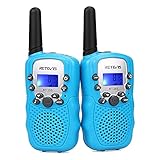 | Retevis RT388 Kids Walkie Talkies, Outdoor Toys for Kids Camping Essentials | 4-12 Year Old Boy Birthday Gift, 22 CH VOX Flashlight Clear Sound, Kids Walkie Talkies 2 Pack for Camping Hiking Adventure | Check Price On Amazon |
 | Cobra RX680 Walkie Talkies (2-Pack), IP54 Water Resistant Design | Rugged & Splashproof Two Way Radios Long Range, 60 Pre-Programmed Channels, Weather Alerts | Check Price On Amazon |
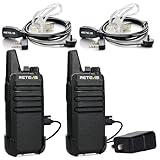 | Retevis RT22 Walkie Talkies Long Range Rechargeable with Earpiece (2 Pack) | Slim & Lightweight 2 Way Radio For Camping & Hiking, Pocket-Friendly Antenna, Ready to Use, 10-Hour Battery, USB-C Charging | Check Price On Amazon |
 | Midland GXT1000VP4 GMRS Two-Way Radios with Headsets, Black, 2 Pack | 50 Channels, 142 Privacy Codes, Up to 36 Mile Long Range, JIS4 Water Resistant, NOAA Weather Alert, Rechargeable NiMH | Check Price On Amazon |
 | Retevis RT628 Walkie Talkies for Kids,Toys Gifts for 6-12 Years Old Boys Girls,Long Range 2 Way Radio 22CH VOX,Birthday Gift,Family Walkie Talkie for Camping Hiking Indoor Outdoor | Check Price On Amazon |